Jim Corbett National Park — India's First and Most Iconic Wildlife Destination
Jim Corbett National Park is one of the most famous and beloved wildlife destinations in India. Located in the Nainital district of Uttarakhand, this legendary park sits at the foothills of the mighty Himalayas and is surrounded by breathtaking natural beauty that takes your breath away the moment you arrive.
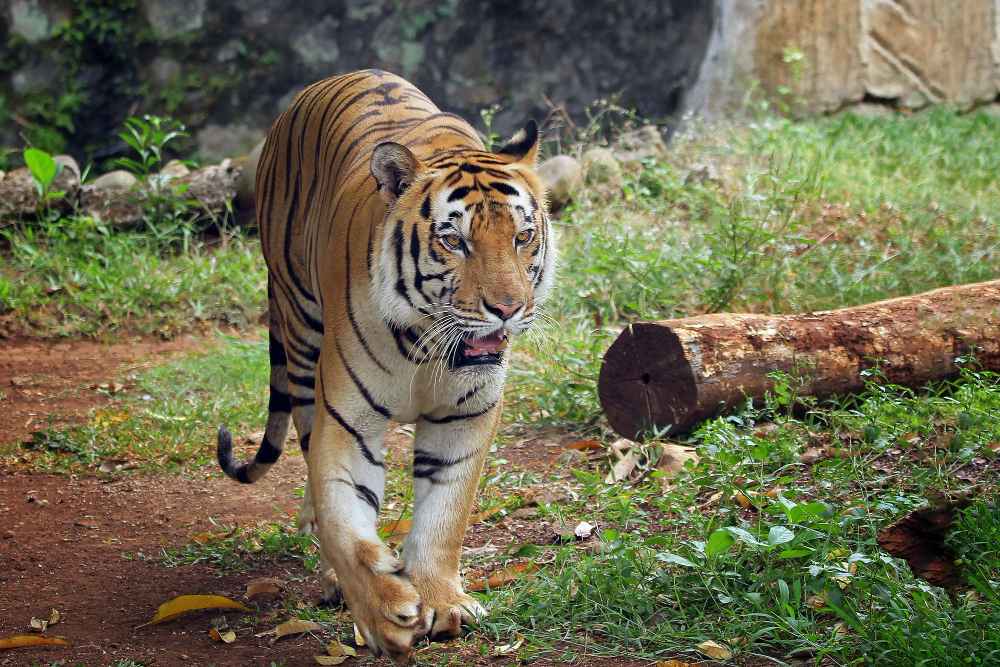
The park is home to the majestic Royal Bengal Tiger, Asiatic Elephants, leopards, sloth bears, and hundreds of other wild species that make every single safari here a truly unforgettable experience. Whether you spot a tiger crossing the forest trail or watch a herd of elephants bathing in the river, every moment inside Jim Corbett stays with you for life.
Spread across a total reserve area of approximately 1318 sq km including a core area of 520 sq km and a buffer zone of 798 sq km, Jim Corbett National Park is a stunning mix of forested hills, riverine belts, open grasslands, marshy depressions, and the beautiful Ramganga Reservoir. The park sits at an altitude ranging from 1300 to 4000 feet, giving it the unique and rich ecological characteristics of the sub-Himalayan zone.
Whether you are a wildlife enthusiast, a nature photographer, a family traveller, or someone who simply wants to escape the noise of city life and reconnect with nature, Jim Corbett National Park offers an experience that is deeply rewarding and completely unforgettable. It is not just a park — it is a living, breathing forest where nature thrives in its most raw and beautiful form.
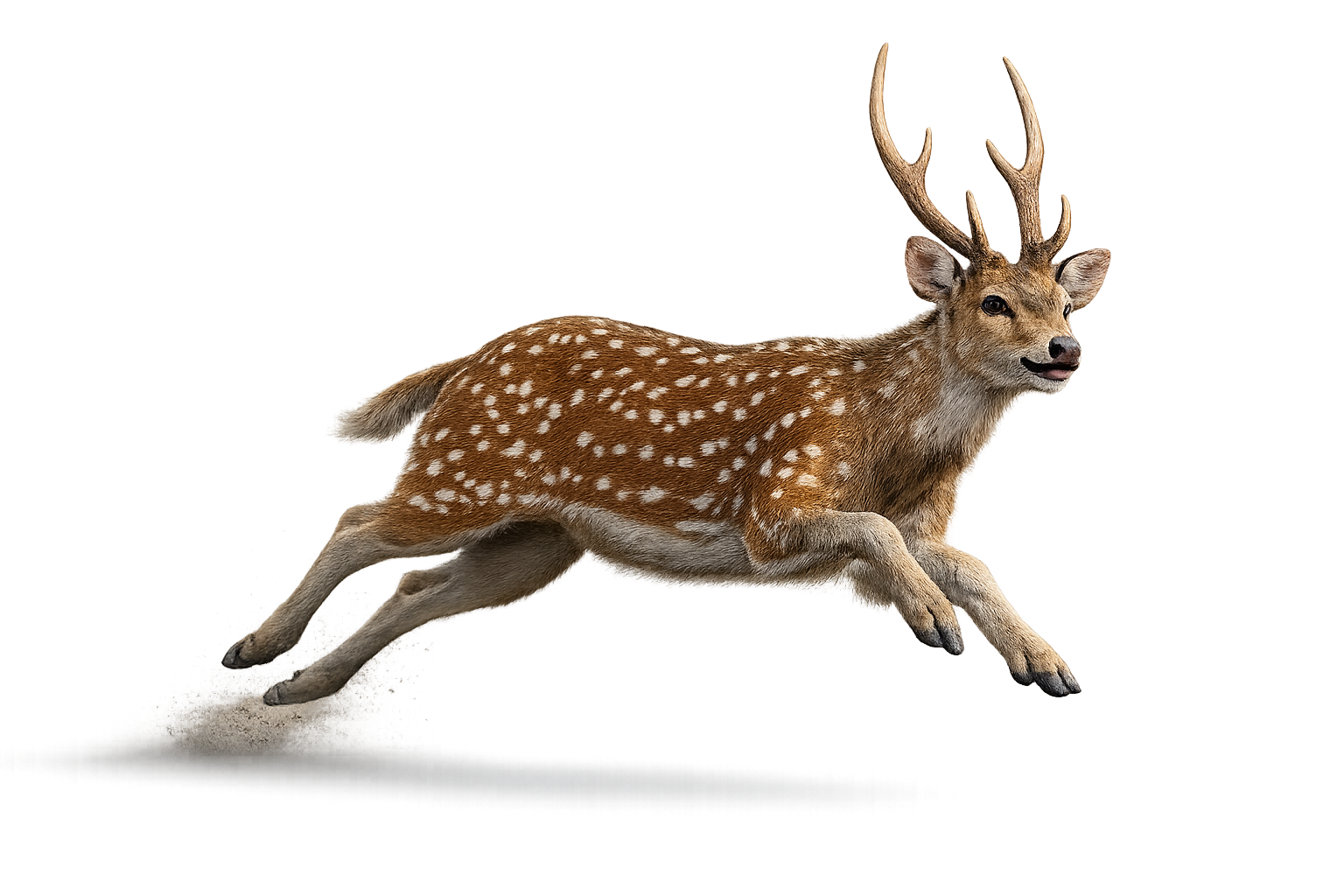
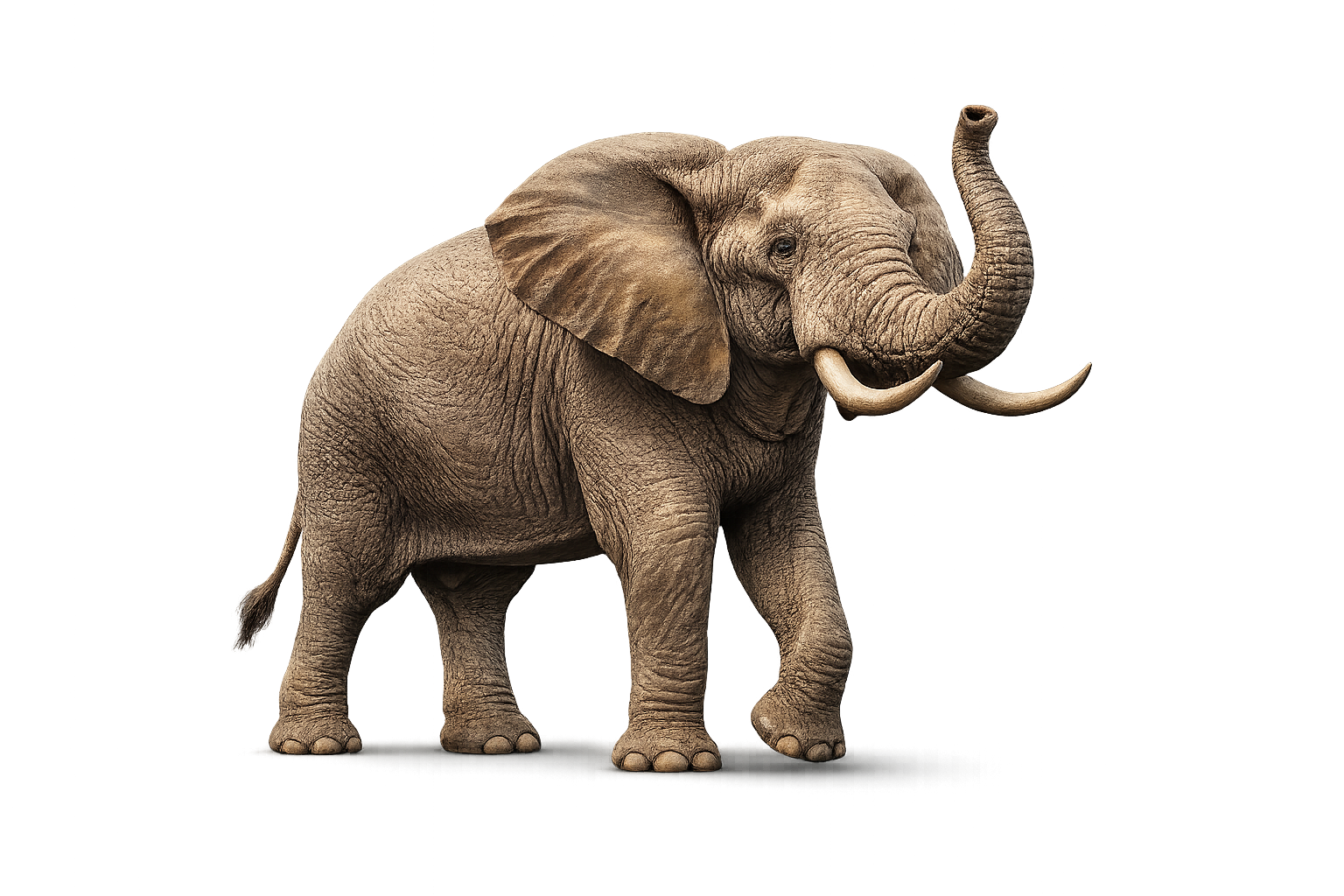
Quick Facts
Everything you need to know about Jim Corbett National Park at a glance.
798 sq km Buffer Zone
600 Bird Species
25 Reptile Species
617 Plant Species
History of Corbett National Park
The story of Jim Corbett National Park is one of the most inspiring conservation stories in the world. It begins not in a government office but in the forests of the Kumaon hills, where a remarkable man named Edward James Corbett spent his life protecting both people and wildlife.
The Early Days — 1860s
The history of this land goes back even further than most people know. In the late 1860s, a tribe called the Buksas from the Terai region settled here and began farming the land. However, they were evicted following the arrival of British colonial rule in India. A British officer named Major Ramsay managed this area and was among the first people to take steps to protect its forests and wildlife. He banned agricultural practices and prohibited the establishment of cattle stations to protect the natural habitat. Then in 1879, the forests of this area were officially constituted into a reserve forest, with only restricted tree felling permitted. This was one of the first major efforts to protect and preserve this beautiful natural area.
Proposals and Boundaries
From the early 1900s onwards, the idea of creating a formal national park here began to take shape. British conservationists E R Stevens and E A Smythies strongly proposed the creation of a national park in this region. In 1907, the British colonial administration seriously considered this proposal and began exploring the idea of establishing a game reserve. Over the following decades, detailed mapping and boundary setting of the proposed park area took place, slowly paving the way for what was to come.
Asia's First National Park Is Born
On August 8, 1936, the park was officially established across an area of 323.75 sq km through a special Act of legislation. This was a truly historic moment because it made this forest not only India's first national park but also the first national park in all of mainland Asia. The park was named Hailey National Park in honor of Sir Malcolm Hailey, the then Governor General of the United Provinces. From the very beginning, hunting inside the park was strictly prohibited. However, timber cutting for domestic purposes was still permitted at this time
A Dark Period for the Park
During the Second World War, the park suffered greatly from excessive poaching and illegal timber cutting. The chaos and urgent resource needs of the war years made it extremely difficult to enforce conservation rules, and the forest and its wildlife paid a heavy price during this difficult period
Renamed Ramganga National Park
In 1954-55, the park was renamed Ramganga National Park after the beautiful Ramganga River that flows through its heart. This was the first of two significant name changes that the park would go through in quick succession.
Renamed Jim Corbett National Park
In 1956, following the passing of the legendary hunter-turned-conservationist Jim Corbett, the park was renamed Jim Corbett National Park in his eternal honor. The park area was also expanded to 520.82 sq km at this time. This name has stayed ever since and today Jim Corbett National Park is one of the most recognized and celebrated wildlife park names in the entire world.
Types of Safari in Jim Corbett
Choose your mode of adventure for exploring the Corbett wilderness.
Explore Safari Zones of Jim Corbett National Park
Each zone offers a unique landscape, wildlife experience, and safari atmosphere. Understanding each zone before you book will help you choose the one that best matches what you are looking for.
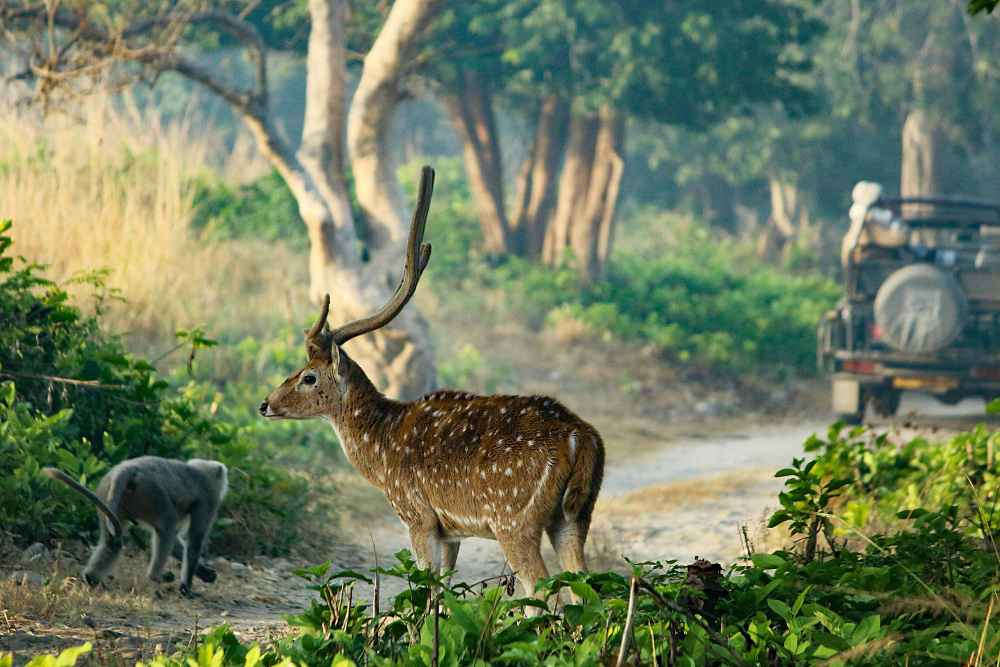
Dhikala Zone — Best for Tiger Sightings
Dhikala is the largest, most famous, and most exciting safari zone in Jim Corbett National Park. Located deep in the core of the forest, it is considered the heartbeat of the entire park. The zone is known for its vast open grasslands called chaurs, the beautiful Ramganga Reservoir, and an extraordinary density of tigers and elephants.
Dhikala is the only zone in Corbett where a Canter Safari is allowed, making it accessible for bigger groups. To get inside the Dhikala Zone, visitors need to have their prior accommodation already booked at the Dhikala Forest Rest House, making it a more exclusive, deeply immersive experience. There is an iconic watch tower near the Dhikala Forest Rest House and the gharial point along the river — honestly these are among the most memorable places across the whole park.
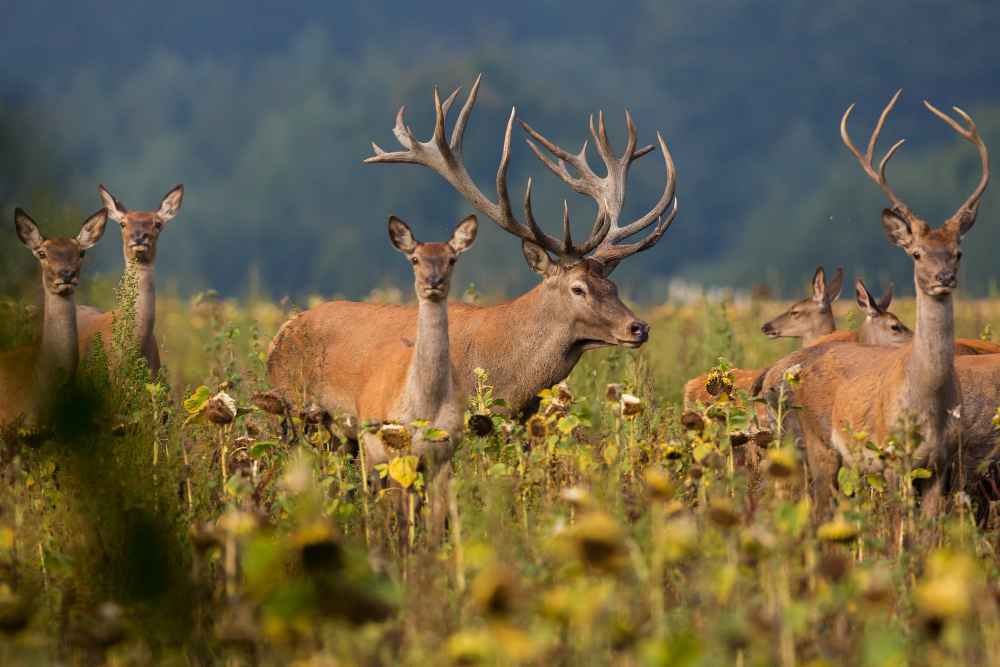
Bijrani Zone — Most Popular for Day Safaris
Bijrani Zone is the second most visited zone in Jim Corbett National Park and is really quite popular with day safari visitors coming from across India. It is close to the Bijrani Gate so you get a nice mix — dense sal forests, open grasslands, and several water streams too, which bring in a lot of wildlife all through the day.
People keep reporting multiple tiger sightings here, making it one of the most thrilling zones for wildlife fans and photographers who are looking for those sharp moments. The scenery stays visually beautiful across the whole year as every season changes the vibe a little. If someone wants to stay near the forest, the Bijrani Forest Rest House and Malani FRH are the go-to accommodation choices.
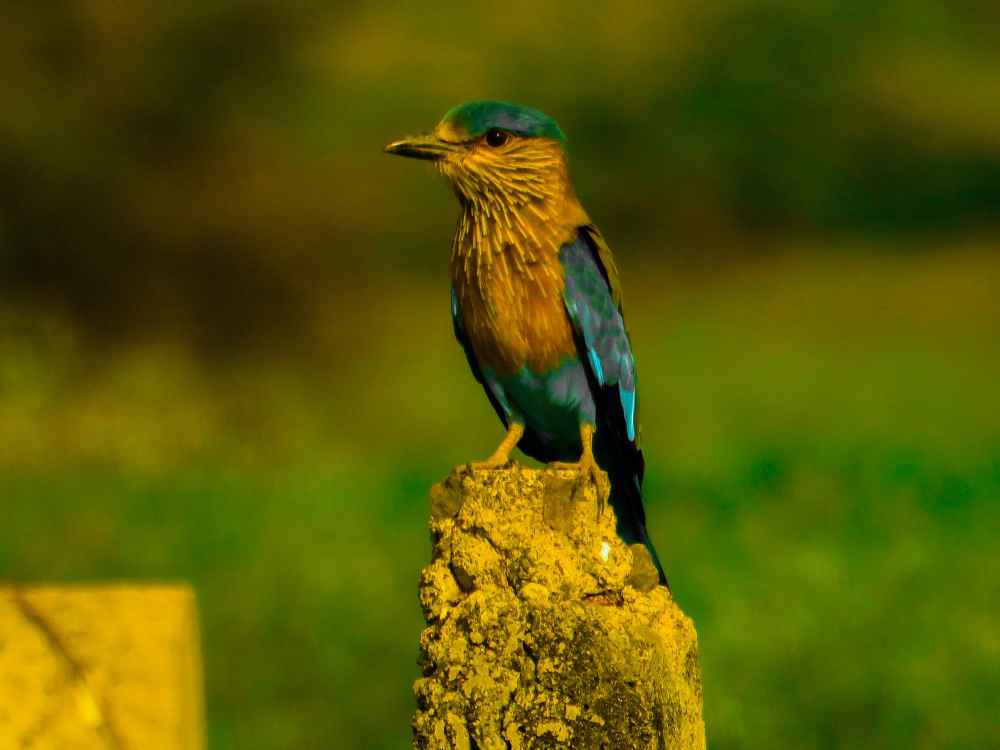
Jhirna Zone — Open All Year Round
Jhirna Zone is located towards the southern edge of Jim Corbett National Park and holds the very important distinction of being the only zone that remains open throughout the entire year, including the monsoon season from July to September. Added to the tourist circuit in 1994, Jhirna is an excellent zone for spotting sloth bears, leopards, elephants, sambar deer, and a wide variety of bird species.
The zone has its own distinct and beautiful landscape with dry river beds, open scrub forest, and rocky terrain that gives it a completely different character from the other zones of Corbett.
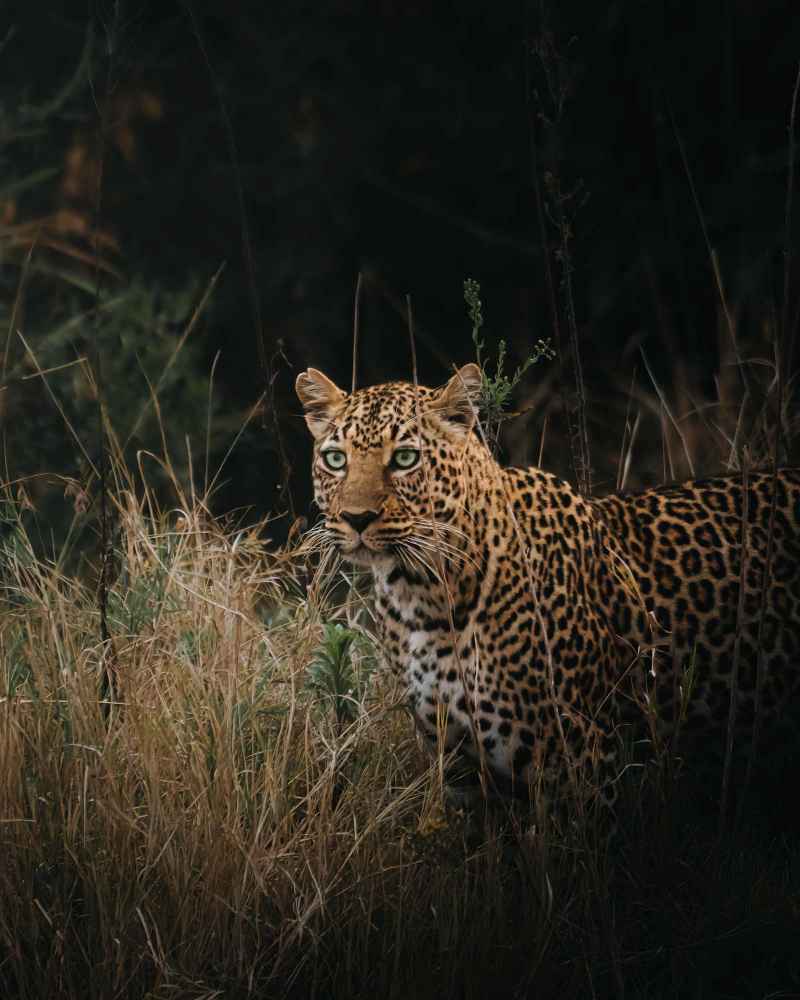
Dhela Zone — Newest and Less Crowded
Dhela is one of the newest tourism zones in Jim Corbett National Park, and it sits in the buffer region of the Corbett Tiger Reserve. Since it has been opened only recently for visitors, animal sightings here are pretty excellent — mainly because there is much lesser human disturbance compared to the older and more famous zones.
The area is filled with mixed forest, some open grassland patches, and seasonal water streams which draw in elephants, deer, leopards, and also a rich variety of birds. Dhela is also much less crowded than Dhikala and Bijrani, so it feels like a perfect pick for visitors who want a calmer, more personal kind of wildlife experience, rather than the usual bustling atmosphere.
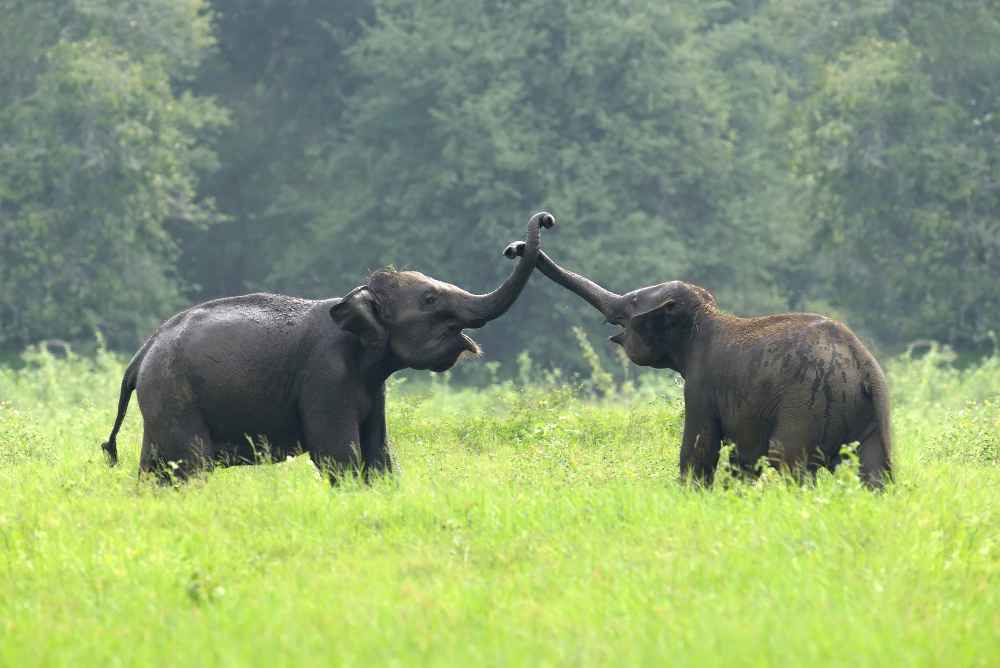
Durga Devi Zone — Paradise for Bird Lovers
Durga Devi Zone is situated in the northeastern part of Jim Corbett National Park and is known for its beautiful location near the Ramganga River. It is widely regarded as one of the absolute best birdwatching zones in the entire park, with over 580 bird species recorded across Corbett and a significant number of them visible in this zone alone.
The zone also offers good sightings of leopards, elephants, and sambar deer making it rewarding for all kinds of wildlife lovers. The beautiful combination of a flowing river, dense forest, and open riverside grasslands makes Durga Devi Zone one of the most visually stunning safari zones in all of Jim Corbett.
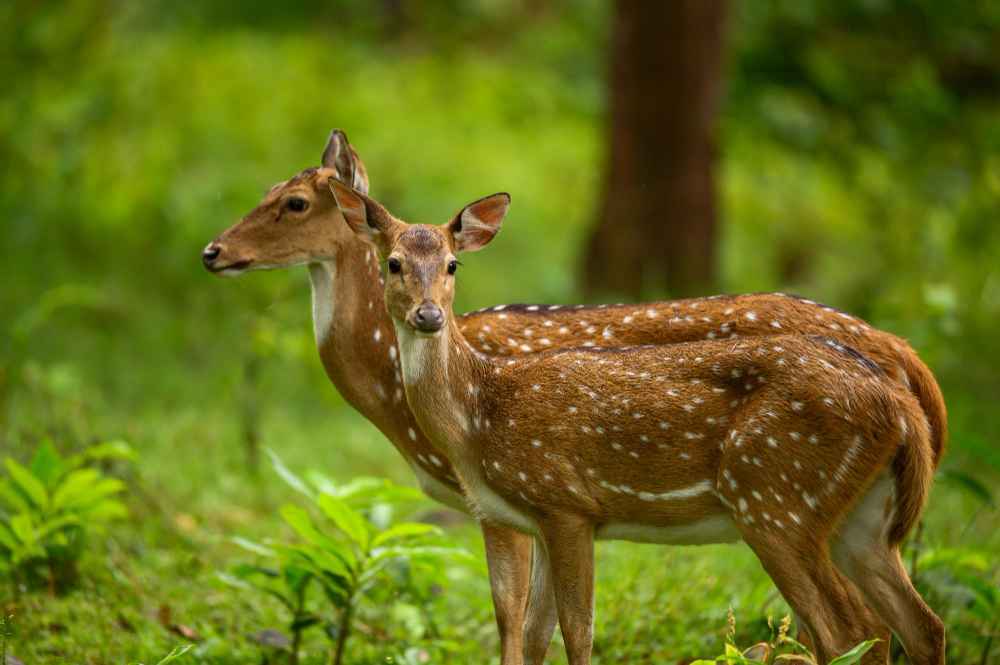
Garjia Zone — Where Wildlife Meets Spirituality
Garjia Zone is one of the most scenic and unique safari zones in Jim Corbett National Park. Located near the famous Garjia Devi Temple on the banks of the beautiful Kosi River, this zone offers a wonderful combination of wildlife encounters and natural river landscapes.
Large herds of elephants frequently come down to the Kosi River to drink and bathe, making elephant sightings almost guaranteed here. Leopards, sambar deer, chital, and a wide variety of birds are also regularly spotted. The presence of the ancient Garjia Devi Temple adds a spiritual dimension that makes this zone truly one of a kind.
Phato Zone — An Offbeat Gem for True Nature Lovers
Phato Zone is one of the most offbeat and least crowded safari zones in Jim Corbett National Park, making it a perfect choice for travelers who love peace, solitude, and an authentic forest experience. Located in the buffer area of Corbett Tiger Reserve, this zone is covered with dense mixed forests, open grassland patches, and seasonal streams that attract elephants, leopards, deer, jungle cats, and a rich variety of birds.
Because very few tourists visit this zone, wildlife here is far less disturbed and more relaxed, giving you a genuinely intimate and memorable wildlife encounter deep in the heart of the Corbett forest.
Sitabani Zone — A Peaceful Forest Buffer
Sitabani is a forest buffer zone that sits outside the core area of Jim Corbett National Park and is one of the very few zones where you do not actually need a forest permit just to enter. So it becomes a very good and convenient choice for visitors who could not secure a permit for the main safari zones. The place feels calm, there is a lot of birdlife around, and you can often get decent sightings of elephants, sambar deer, chital, and wild boars across the year.
Sitabani is also home to the ancient Sitabani Temple, which is historically important and spiritually significant too, adding a lovely cultural and devotional layer to the whole forest visit experience.
Hathi Dagar Zone
Hathi Dagar is one of those lesser known buffer zones near Jim Corbett that most visitors haven’t even heard about, and honestly it makes the place feel kinda special, like a quiet secret. As the name hints, “Hathi” meaning elephant, this area is tied pretty strongly to elephant movement, so you’ll usually see herds flowing through the stretch, particularly in the early morning and then again towards evening. The forest is fairly dense too, with a mix of sal trees and a few more open patches, so it gives that slightly shaded, half-quiet vibe. Since human traffic is low, the wildlife tends to act more naturally, and it is less jumpy around vehicles or sudden noises, not fully tame, just calmer.
Apart from elephants, you can expect sightings of deer, wild boars, and a good number of birds throughout the safari. The whole vibe here is quieter and more raw compared to the busier zones, so if you're someone who prefers an offbeat experience over a crowded jeep convoy, Hathi Dagar is worth considering.
Bhandarpani Zone — Scenic Hills and Tea Garden Views
Bhandarpani Zone is a bit different from the typical Corbett zones because of its hilly terrain and the presence of old tea garden patches in and around the area. The landscape here is honestly quite beautiful, with rolling slopes, mixed forest cover, and some really lovely viewpoints that give you a different perspective of the Kumaon hills compared to the flatter grassland zones like Dhikala.
Wildlife sightings include leopards, barking deer, langurs, and various hill birds, and since the terrain is a little different, the overall safari experience feels fresh even if you've already done a few safaris elsewhere in Corbett. It's also a good option if you're looking to break away from the typical tiger-focused crowd and just enjoy the scenery and a slower paced jungle drive.
Mohaan Zone — Riverside Forest Near the Ramganga
Mohaan Zone kinda sits along the banks of the Ramganga River, in a calmer buffer stretch of the Corbett landscape, and it’s known for those really lovely riverside views, plus safari routes that feel a bit more peaceful. The mix of flowing water, dense forest cover and a few open patches close to the riverbank makes it a nice little place for birdwatching and yes you can often spot wading birds and raptors right near the water’s edge.
As for wildlife, people do report elephants, deer and, from time to time, leopards, mostly near the river where the animals come in for a drink. Since Mohaan doesn’t have the same big, constant rush of tourists as Dhikala or Bijrani it tends to give you a more relaxed tempo and honestly a better chance to just enjoy the whole setting, without that feeling of being hurried.
Corbett Forest Rest House
A stay at a Forest Rest House inside Jim Corbett National Park is, honestly , one of those experiences that kinda goes beyond a normal wildlife vacation. These rest houses are handled by the Uttarakhand Forest Department and they're placed quite deep in the core areas of the Corbett Tiger Reserve, so you feel like you're living right in the center of the jungle, far from resorts, distant traffic noise and that whole tourist buzz.
The best known and also most requested Forest Rest House in Corbett is Dhikala Forest Rest House. It sits in the biggest zone of the park, looking out over the wide Ramganga reservoir and the open grasslands. Morning there starts like this , you wake up and then you're already outside with bird sounds around you, a bit of elephant calling in the far distance , and the quiet rustle of deer moving through the grass… all of it before breakfast.
There are other Forest Rest Houses too, you can find options in zones like Bijrani, Gairal, Sarpduli, Khinnanauli, and Sultan. Each one gives a straightforward, no-fuss stay that feels real and tightly tied to the natural world. The facilities are basic, sure, but they're comfortable enough. Meals are arranged by the rest house staff, so you don't have to think too much.
Bookings for Corbett Forest Rest Houses should be done through the official Corbett Tiger Reserve website. Right now availability is extremely limited, demand is high, so planning ahead matters a lot. If you want a night inside the jungle, advance booking is not optional.
Dhikala Forest Rest House
Dhikala Forest Rest House is, arguably, the most iconic and widely celebrated place to stay inside Jim Corbett National Park. It sits right in the middle of the Dhikala Zone, and from there it looks out over the beautiful Ramganga reservoir plus those huge, open grassy stretches that people also call chaurs. The vibe is pretty special, like you can feel the wildness immediately, because wildlife movement is often visible from the verandah itself—elephants grazing, deer stepping through the grass, and sometimes even a tiger sighting in the early morning hours, when everything still feels quiet.
For sleeping arrangements there are a few choices, including dormitories , log huts, and private rooms, depending on what you prefer. The setup is fairly simple yet comfortable, with meals handled on site. And yes, make sure you book well ahead of time via the official Corbett Tiger Reserve portal, because spots don't stay open for long.
Bijrani Forest Rest House
Bijrani Forest Rest House feels like one of those most popular places to sleep overnight in Jim Corbett National Park, and it's placed in the well known Bijrani safari zone. In day-to-day terms, the stay is surrounded by thick sal forest pockets and also some open meadows, so you kind of end up right inside one of Corbett's active wildlife passageways. Tiger sightings, around the Bijrani zone , are seen often, which makes an overnight stay here extra thrilling for wildlife lovers. The accommodation itself is fairly plain and it is handled by the forest department, while basic meals are served for guests. Because the rush stays high most seasons, it's really best to do advance booking via the official Corbett Tiger Reserve website , if you want to secure your dates.
Gairal Forest Rest House
Gairal Forest Rest House is a hidden gem among Corbett's stay options, situated along the banks of the Ramganga River inside the park. The location is incredibly scenic, with the sound of flowing water and dense forest on all sides creating a deeply peaceful atmosphere. Wildlife activity around Gairal is consistent, with elephants, deer, and various bird species frequently spotted near the riverbanks. The rest house offers basic but comfortable accommodation managed by the Uttarakhand Forest Department. It is ideal for nature lovers and birdwatchers who want an intimate and quiet jungle experience away from the more visited zones of the park.
Sarpduli Forest Rest House
Sarpduli Forest Rest House is like a calm ,and somewhat lesser-known stay option that sits deep inside the Corbett Tiger Reserve. It's tucked within thick forest, with natural grassland patches around, so the whole place feels a bit offbeat for travellers who genuinely lean toward solitude rather than the usual buzz. What happens with wildlife in and around the Sarpduli area is fairly natural and undisturbed, so guests get this real sense of being inside a working forest ecosystem, not some staged show. The facilities are basic, the way you'd expect from a forest department property, but the moment you wake up inside the jungle, that simplicity somehow compensates quickly. Also advance booking is a must, since the availability here stays extremely limited.
Khinnanauli Forest Rest House
Khinnanauli Forest Rest House feels like one of those more remote, kind of quiet stay places you can find inside Jim Corbett National Park. It sits tucked in dense green cover, so it suits people who are serious about wildlife watching or nature photography, and who also want to spend longer inside the jungle, with no resort-type distraction. The nearby woods hold decent wildlife variety, and the calm vibe makes those early morning and late evening sightings especially rewarding. The rooms are simple, pretty functional too, and everything is handled by the forest department entirely, plus meals are available for the guests who are staying there. Since the room count is rather limited, you really need to book well ahead of time using official channels, otherwise it becomes a bit difficult.
Sultan Forest Rest House
Sultan Forest Rest House is sort of a peaceful , scenic stay place that sits inside the Corbett Tiger Reserve, so guests get a quiet and very immersive jungle time. The rest house sits amid mixed forest terrain plus little grassland patches, and that helps keep a strong variety of wildlife around—deer, elephants, and a range of bird types are common. When you stay at Sultan you mostly wake up to forest sounds rather than alarm clocks , and later in the day you just spend your evenings observing the treeline for any movement, no rush. The accommodation is basic, and it is handled by the Uttarakhand Forest Department, with meals provided there, simple ones. Also note, advance booking via the official Corbett Tiger Reserve portal is mandatory for every guest.
Phuloi Forest Rest House
Phuloi Forest Rest House is a bit of an under the radar stay option, honestly it sits in such a good place, deep inside the Corbett Tiger Reserve. It's not near the main tourist zones , so it somehow feels quieter, more like you've slipped into the wild rather than booked a normal room. Phuloi gives you one of the raw, authentic jungle stays you can find within the park, and it's pretty unlike the usual, more arranged stays. Around it the forest is dense and mostly untraveled, so you get these perfect conditions for natural wildlife to move around all day… and yes, also at night. Everything feels a little grounded, like the habitat is doing its own thing, without much interruption. Guests staying here often describe the experience as being completely alone with the forest — no resort sounds, no traffic, just pure wilderness. Facilities are minimal as expected, but for genuine nature lovers and wildlife enthusiasts, Phuloi Forest Rest House is an unforgettable experience.
Lohachaur Forest Rest House
Lohachaur Forest Rest House is a scenic and tranquil stay option situated within the broader Corbett Tiger Reserve landscape. The rest house is set amidst open grasslands and mixed forest, offering excellent natural light for wildlife photography during both morning and evening hours. The open terrain around Lohachaur makes wildlife spotting relatively easier, with elephants, deer, and various grassland bird species frequently visible from the property itself. Accommodation is simple and functional, maintained by the forest department, with basic meal facilities available for guests. Like all Forest Rest Houses in Corbett, advance booking through the official Corbett Tiger Reserve website is strongly advised.
Crop Forest Rest House
Crop Forest Rest House feels like one of those quieter, slightly off beat places you can actually stay in while inside Jim Corbett National Park. It sits amid dense, green vegetation and the usual natural forest cover, so it kind of gives you a straightforward, undisturbed jungle feeling that is, honestly, getting harder to find with all the faster, more hectic wildlife tourism nowadays. You'll notice the animals move around in a natural and steady way, so if you're patient, or you enjoy wildlife photography, this can be quite rewarding. The stay itself is pretty basic and uncomplicated since it's managed by the Uttarakhand Forest Department, yet the forest setting pretty much compensates for the lack of comforts. Also, early reservation is important, because availability is limited, like very limited.
Sarapduli Forest Rest House
Sarapduli Forest Rest House is located downstream of Gairal on the flat southern bank of the Ramganga River, making it one of the most centrally positioned rest houses in the Dhikala Zone. The opposite northern bank rises steeply into a ridge, creating a dramatic and beautiful natural setting around the property. Large mammal movement here is consistently high, with tigers and elephants frequently spotted in and around the area. Sarapduli is also an excellent spot for crocodile watching and birdlife observation along the riverbank. Wildlife photographers particularly love this rest house for its calm surroundings and strong sighting potential throughout the season.
Malani Forest Rest House
Malani Forest Rest House is one of the most remote and deep-forest stay options available inside Jim Corbett National Park, situated approximately 20 kilometres from the Bijrani zone entry gate on the northwest ridge of the reserve. This extreme remoteness is precisely what makes it special — the forest here is thick, undisturbed, and rich with wildlife activity, especially during summer months when animals move toward the upper forest areas in search of water and food. The rest house has two rooms with attached bathrooms and a common dining area. Electricity is solar-powered and water availability can occasionally be limited during peak summer.
Jhirna Forest Rest House
Jhirna Forest Rest House is located on the southern edge of the Corbett Tiger Reserve, positioned along the Ramnagar to Kalagarh road. The Jhirna Zone was a farming village until 1994 when it was successfully relocated under Project Tiger, and the landscape here carries a drier, more open character compared to zones like Dhikala. The rest house sits within a grassland area called Laldhang Chaur, which is a favourite grazing ground for chital, nilgai, elephants, and deer. Sloth bear sightings are a notable highlight of this zone. Jhirna is one of the few zones open year-round, making its rest house a viable option across all seasons.
Dhela Forest Rest House
Dhela Forest Rest House dates back to 1926 and offers two double bedrooms with all basic necessities. No non-vegetarian food is allowed inside, and there is no canteen, so guests must bring their own ingredients, with a chef available to prepare meals. Located in the southeastern part of the Corbett Tiger Reserve, Dhela Zone was opened for tourism in December 2014 and remains open throughout the year. The zone supports tigers, leopards, elephants, nilgai, and a vast range of bird species, making it particularly loved by birdwatchers. Hot water and evening electricity are available through solar energy, and safari here begins 30 minutes earlier than resort-based visitors.
Morghatti Forest Rest House
Morghatti Forest Rest House is nestled within the Sonanadi Wildlife Sanctuary, which forms an important part of the broader Corbett Tiger Reserve landscape. This rest house is particularly celebrated among dedicated birdwatchers, as the dense mixed forests surrounding Morghatti support an exceptional variety of bird species throughout the year. The Sonanadi area is known for its perennial streams, dense sal forests, and bamboo clusters, creating a lush and naturally active ecosystem. There are no villages within the sanctuary, which means the forest here remains genuinely quiet and undisturbed. A drive through this area offers one of the most peaceful and authentic jungle experiences available in Corbett.
Best Time to Visit Jim Corbett
Jim Corbett National Park is open for most of the year and each season offers a completely different kind of wildlife and nature experience. Choosing the right time to visit depends entirely on what you are looking for.
Flora and Fauna of Jim Corbett
Jim Corbett National Park is one of the richest biodiversity zones in all of Asia. Its diverse landscape of hills, grasslands, riverine belts, and wetlands creates a perfect habitat for an extraordinary range of plant and animal life.
Flora
In Jim Corbett National Park the forests are mostly dense, moist deciduous kind of growth, you could say in a way that is both normal and still impressive. You find the park is packed with over 600 different plant species , ranging from towering trees down to ground-level shrubs. There are medicinal herbs, lively wildflowers, and all sorts of other smaller plants that just quietly coexist there. Overall forest cover counts for about 73 percent of the entire park area, while roughly 10 percent is taken up by open grasslands.
Grass species such as Tiger Grass, Kansi, Spear Grass, and Narkul form important grassland habitats called chaurs that are crucial feeding and hunting grounds for tigers and elephants. Medicinal plants including Amla, Bael, and various herbs are also found throughout the forest, making Jim Corbett an important zone for both wildlife and botanical research.
Fauna
The wildlife of Jim Corbett National Park is truly extraordinary. The park is home to 50 species of mammals, 600 species of birds, 25 species of reptiles, and countless insects and amphibians.
Mugger Crocodiles, Gharials, Indian Pythons, Monitor Lizards and King Cobras are among the notable reptile species found in the park.
More than 600 bird species have been recorded, including Great Hornbills, Crested Serpent Eagles, Fish Eagles, Kingfishers, Owls, Woodpeckers and numerous migratory birds during winter. During winter, migratory birds from Central Asia and Europe arrive in large numbers, making the Ramganga Reservoir and wetland areas spectacular for bird photography.
How to Reach Jim Corbett
Ramnagar is the main entry point and headquarters for Jim Corbett National Park. All safari zones and forest gates are accessible from Ramnagar, which is approximately 3.5 km from the park entrance.
By Air
The nearest domestic airport to Jim Corbett National Park is Pantnagar Airport, located approximately 80 km away. From Pantnagar, private taxis and cabs are easily available for a comfortable drive to Ramnagar and the park.
For international travelers and those coming from distant cities, Indira Gandhi International Airport in New Delhi is the most convenient option at approximately 260 km from Ramnagar. From Delhi, visitors can hire a taxi for a direct 5 to 6 hour drive or take a train to Ramnagar.
By Train
Traveling by train is the most popular and convenient way to reach Jim Corbett National Park, especially from Delhi. Ramnagar Railway Station is the nearest railhead and is directly connected to New Delhi by several trains
• Corbett Park Link Express
• Kathgodam Express (via Kathgodam)
By Road
Jim Corbett National Park is well connected by road from all major cities in North India. The roads are in good condition and a self-drive road trip to Corbett from Delhi is a very popular option among families and groups.
Nainital → Ramnagar — 65 km (1.5 hrs)
Haridwar → Ramnagar — 180 km (3–4 hrs)
Dehradun → Ramnagar — 230 km (4–5 hrs)
Route Chart
Distance guide from major cities to Jim Corbett National Park.
Do's and Don'ts
Important guidelines to follow during your visit to Jim Corbett National Park.
✓ Do's Inside the Park
✕ Don'ts Inside the Park
Frequently Asked Questions
Essential information about location, safari zones, wildlife, and travel details for Jim Corbett National Park.
Plan Your Jim Corbett Safari & Attractions Tour
Let us craft the perfect itinerary — combining wildlife safaris with the best temples, waterfalls, hill stations, and river experiences around Jim Corbett National Park.