Ranthambore National Park — Rajasthan's Legendary Land of Tigers
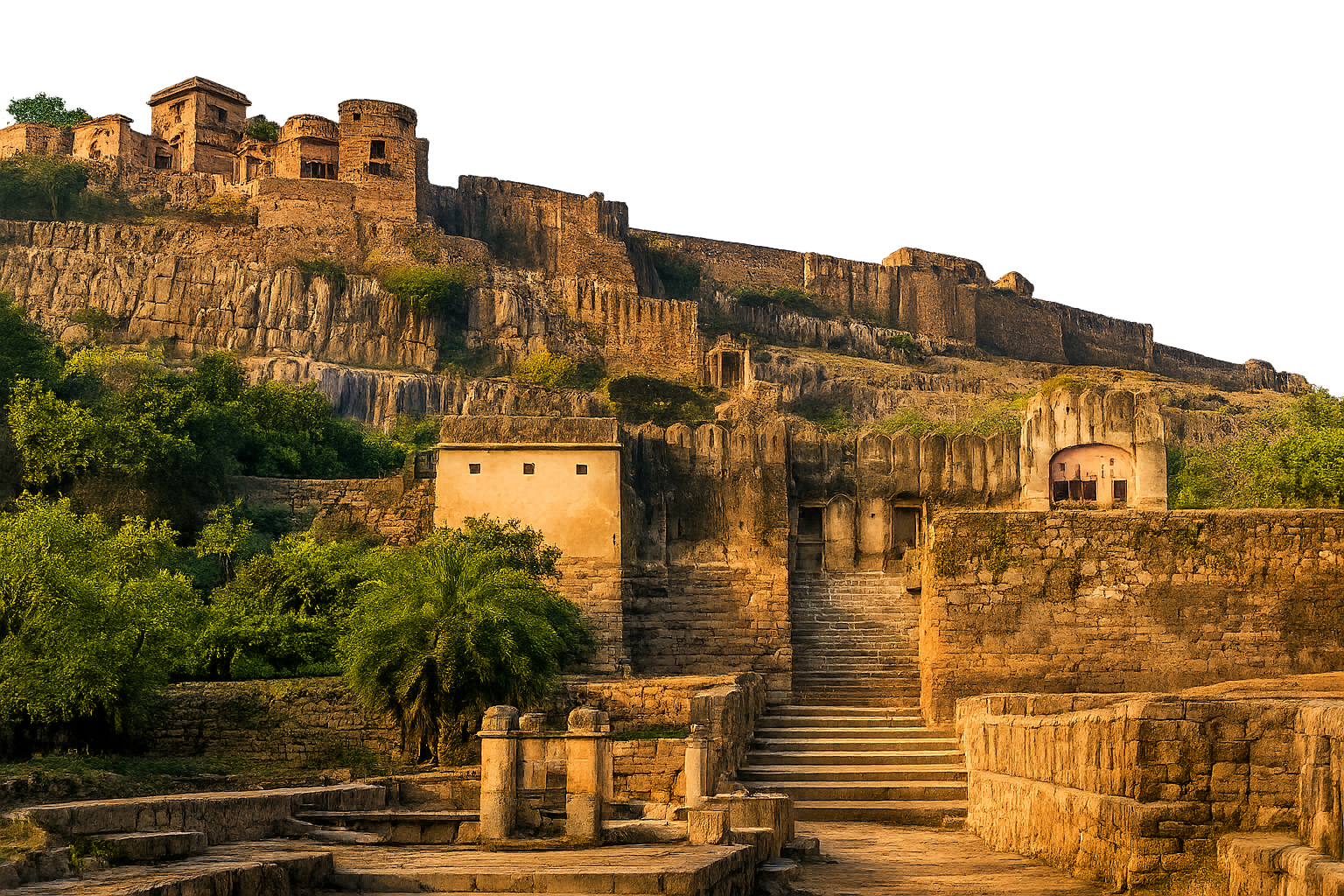
Ranthambore National Park is one of the most celebrated wildlife destinations in the world, and probably the most famous tiger reserve in India for daytime tiger sightings. It sits in the Sawai Madhopur district of Rajasthan, right at the meeting place of the Aravalli and Vindhya hill ranges, so Ranthambore feels different, a dry deciduous forest in a way that is not really like anything else on India’s wildlife circuit. It is open and dramatic, and it also has a scattering of crumbling medieval ruins which makes every safari feel like you’ve stepped back in time, even if for a little while.
The park is home to one of the highest densities of wild tigers anywhere on earth, plus leopards and sloth bears, striped hyenas, marsh crocodiles and over 300 species of birds that basically bring the lakes and grasslands to life. What really sets Ranthambore apart is the legendary 10th-century Ranthambore Fort, that pops up out of the core zone — ancient temples, stepwells and crumbling pavilions sit there quietly, right inside tiger territory. It all gives the whole place a kind of history that no other tiger reserve in India can really match.
Spread across a total Tiger Reserve area of roughly 1,334 sq km, including the core national park of about 392 sq km (274 sq km critical tiger habitat plus surrounding forest) and also a buffer formed by the Kailadevi and Sawai Man Singh Wildlife Sanctuaries, Ranthambore is basically a landscape of rocky hills, dry Dhok forest, open grassland and a chain of pretty lakes– Padam Talab, Raj Bagh and Malik Talab that quietly pull wildlife from every corner of the reserve, especially during the summer heat.
If you are a first time wildlife traveler, hunting your first tiger sighting, or a photographer trying to get a tiger shot in front of fort ruins, or maybe a family searching for an unforgettable Rajasthan escape, Ranthambore National Park just hits different. It isn’t only a tiger sanctuary, its also one of those conservation revival tales, the kind that gets written straight into the ground and rocks and all. Honestly, very few corners of the world manage to offer something like this.
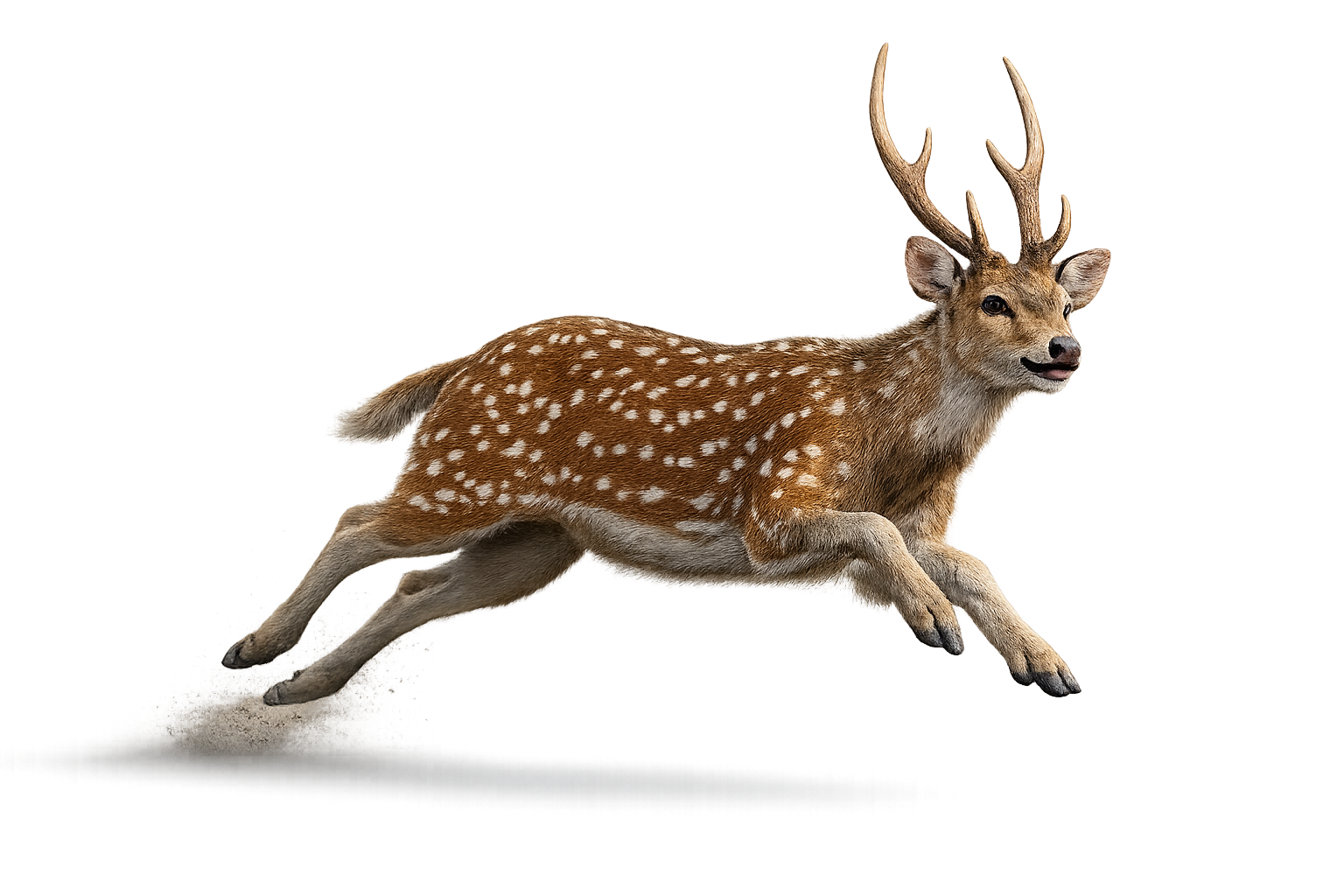

Quick Facts
Everything you need to know about Ranthambore National Park at a glance, sort of in one go.
300+ Bird Species
40 Reptile Species
300+ Plant Species
History of Ranthambore National Park
Ranthambore’s story feels nothing like the other tiger reserves in India, it kinda starts not with a forest department, but with a fortress so old and so deeply stitched into the landscape, that over time the wildlife reserve around it ended up taking its name from that place.
The Fort That Started It All
The foundations of Ranthambore Fort were put in place in 944 AD by King Sapaldaksha from the Chauhan dynasty, and after that, the successive rulers kind of pushed it along over the centuries into this big hilltop complex of palaces, temples, stepwells, and courtyards, all linked by stone pathways… somehow. The fort also changed hands a lot, through Rajput, Sultanate and Mughal rule, before the Mughal Emperor Akbar captured it in 1568, at which point it stayed under Mughal authority until the late 17th century.
A Royal Hunting Ground
After the Mughals, control of the fort and its surrounding forests passed to the Maharajas of Jaipur, who continued to hold it right up to India's independence in 1947. For nearly two and a half centuries, the dense Dhok forest around Ranthambore Fort served as the private hunting reserve of the Jaipur royal family, where tigers, leopards and deer were pursued for sport rather than protected.
Sawai Madhopur Game Sanctuary
In 1955, the Government of India formally protected the forest by declaring it the Sawai Madhopur Game Sanctuary, covering an initial stretch of about 282 sq km. After that, hunting was no longer the central aim, the forest’s wildlife did get legal shelter, even if in the years that followed the tiger population kept taking on heavy pressure from poaching.
Project Tiger Arrives
Ranthambore was picked as one of India’s first nine Project Tiger reserves in 1973, an initiative started by the Government of India under Prime Minister Indira Gandhi, to help pull the Bengal tiger back from the very edge of extinction. Somehow that one decision, changed the whole future of the forests altogether, it brought tight anti poaching enforcement and proper habitat protection, plus a structured conservation plan into the region for the first time.
Declared a National Park
On November 1 ,1980 the protected forest was officially declared as Ranthambore National Park. Around that time, the historic fort and palace complex, which was handed over to the Indian government in 1966, was eventually absorbed within the park boundary. That’s why Ranthambore became one of the very few tiger reserves in the world where a living monument is sitting right inside core tiger territory, you know, kind of like that.
Expansion into a Tiger Reserve
In 1984, the adjoining forests were announced as the Sawai Man Singh Sanctuary and the Kailadevi Wildlife Sanctuary, made with the idea of acting like a buffer around the main national park. Then, in 1991, those two sanctuaries were officially combined into Ranthambore Tiger Reserve, and the entire protected spread went up to roughly 1,334 sq km. That’s when Ranthambore, finally, had the real size it needed, to support a genuinely thriving tiger population.

Types of Safari in Ranthambore
Choose your mode of adventure for exploring the dry forests and lake country of Ranthambore.
Explore Safari Zones of Ranthambore National Park
Ranthambore is split into ten numbered safari zones, not in named ones. The zones from 1 to 5 are kind of the core area of the park and you go in from the main gate near Ranthambore village, while zones 6 to 10 act as the buffer zone, and they’re entered from another gate on the far side of Sawai Madhopur. Understanding the characteristics of each zone before booking can help you choose the one that best matches your interests and safari expectations.
Zone 1 — The Gateway Zone
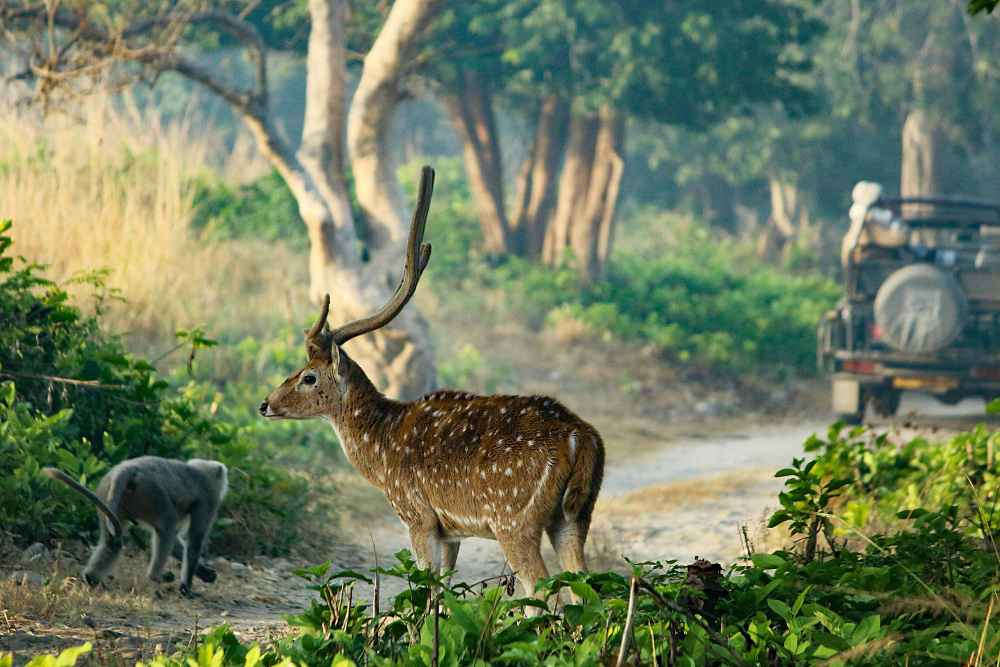
Zone 1 sits closest to the main entry gate, and it kind of works like a transition band between the core and the buffer, so tigers move in and out of it all the time. Even so, it’s built up a solid reputation for steady sightings, particularly near Tuti Ka Nala, Amreshwar Dang and Sultanpur. You’ll often spot a few resident tigresses along with their cubs in this area, so it feels like a preferred stop, for first time visitors who want something memorable, right close to the entrance.
Zone 2 — Hills, Valleys and Watering Holes
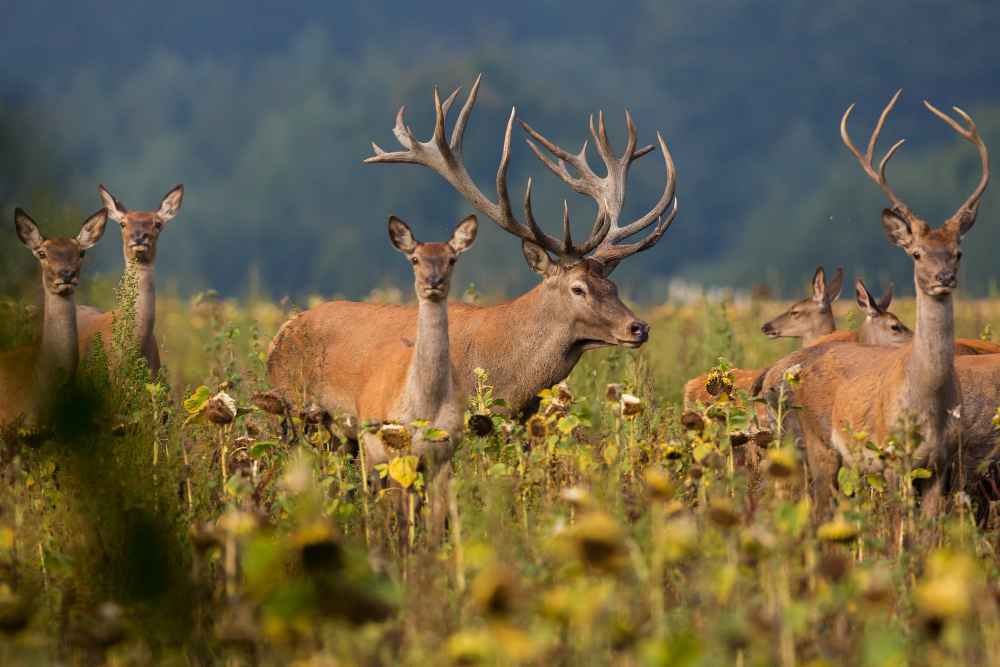
Zone 2 is, like one of the more liked, and also most important zones in the whole reserve, it is kind of packed with hills, valleys , and plenty of natural water holes that bring wildlife around all day long. This mix of dense cover plus steady water makes the area pretty strong for tiger and leopard sightings too, so it feels very consistent. Landmarks like Phuta Kot, and Lahpur Tiraha are also well known among regular Ranthambore visitors, you hear about them a lot.
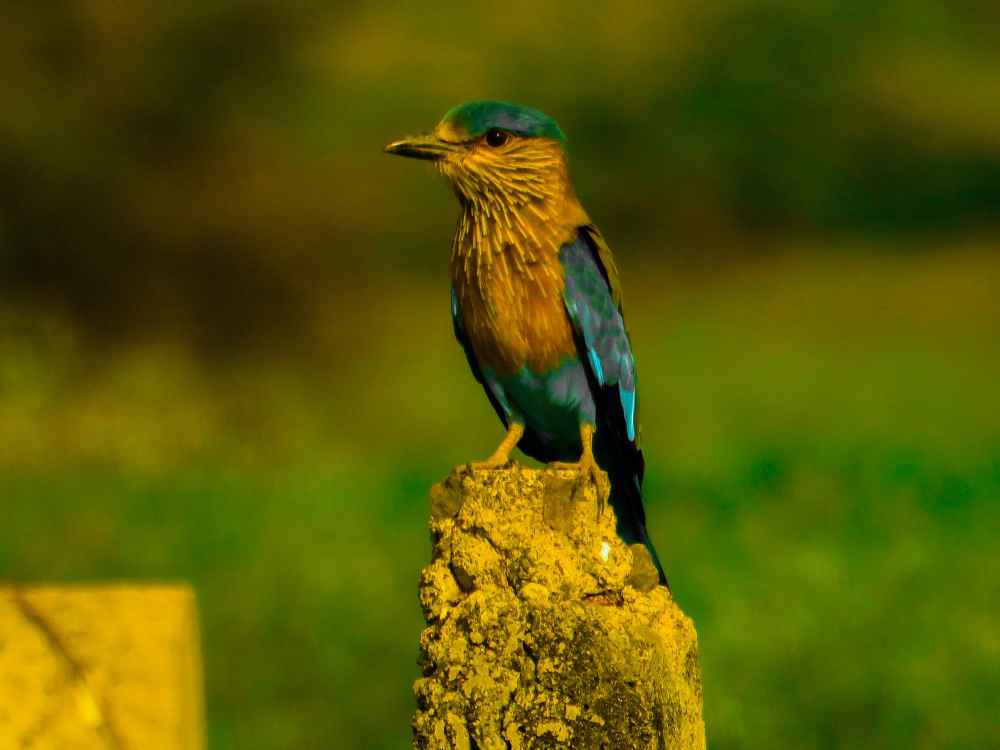
Zone 3 — Padam Talab and the Heart of Ranthambore
Zone 3 is widely considered the single best zone in Ranthambore National Park and is by far the most in-demand. Entered through the historic Jogi Mahal gate, it takes in Padam Talab, Raj Bagh, High Point and Manduk — a stretch of lake, ruins and forest that delivers Ranthambore's most The area is famous for its breathtaking views of tigers roaming near centuries-old structures set against the backdrop of serene lakes. Excellent sightings, dramatic scenery and genuine heritage make this the zone every visitor hopes to be allotted.
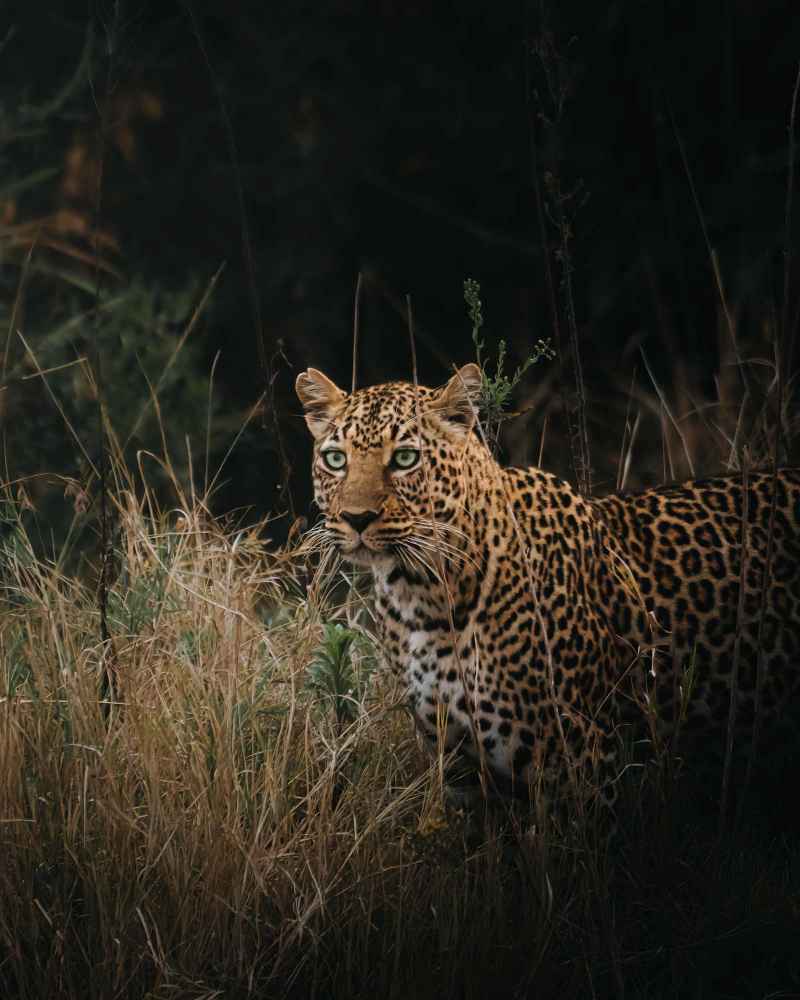
Zone 4 — Home of the Legendary Machli
Zone 4 seems more rugged than the ones around it, with rocky hills, dense forest cover and the rather beautiful Malik Talab right at its centre . It is basically the place where the world-famous tigress Machli (T-16) roamed for more than a decade, and even now her descendants keep on dominating the zone. The landscape also makes it a pretty solid spot for leopard sightings, and it gives visitors a real feeling of solitude , especially if they are trying to get away from the more crowded tracks.
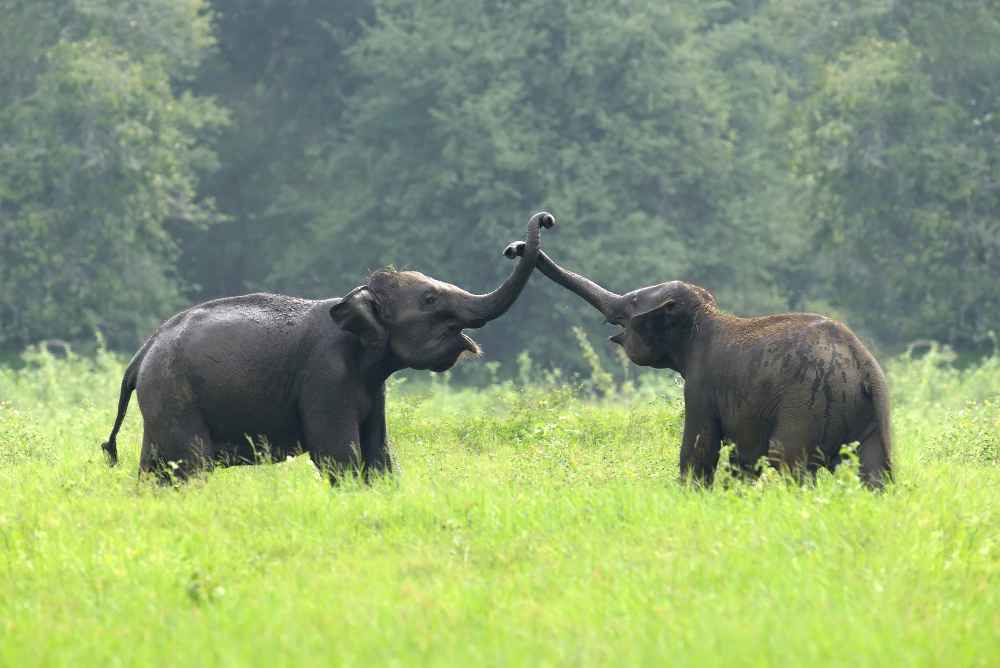
Zone 5 — Lakes and Open Forest
Zone 5 shares a lot of the same lake and forest vibe with Zones 3 and 4, but it gets noticeably fewer vehicles so it feels like a calmer core-zone choice. The dense Dhok forest kind of opens out into grassy clearings around the water bodies, which pulls in sambar deer, chital, and regular tiger movement across the territory. Because the crowd levels are lower, it ends up being a favourite with travellers who want a more relaxed core-zone safari, rather than the usual bustle.
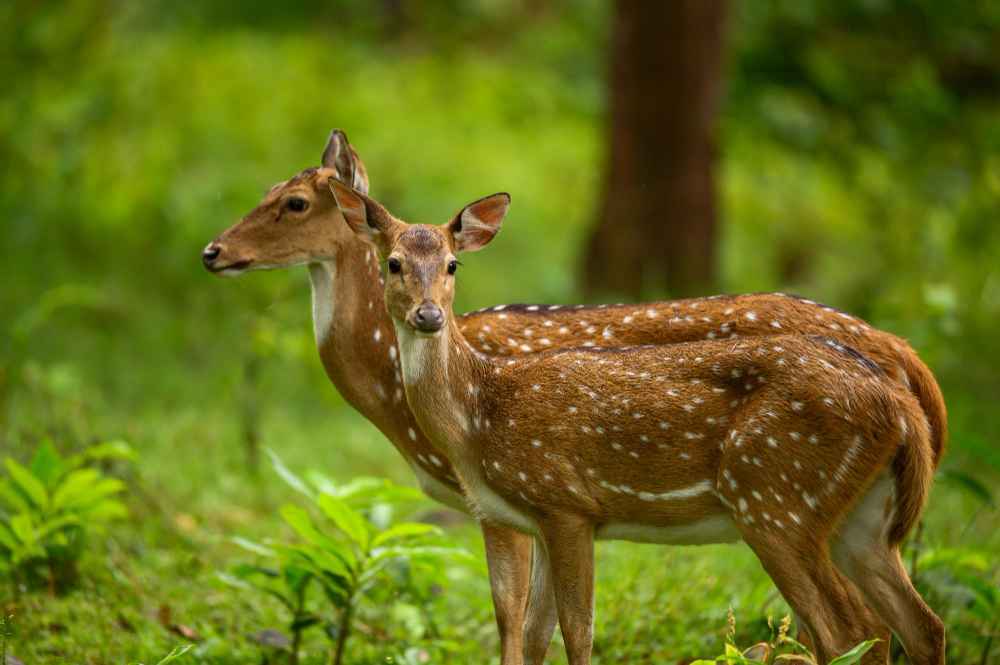
Zone 6 (Kundal) — Open Grassland and the Aravalli Backdrop
Zone 6 , popularly called Kundal, looks kinda different from the core zones , with wide open grasslands set against that dramatic backdrop of the Aravalli hills. It sits near Zone 1, and tigers from the core keep wandering into this area , while the unbroken landscape makes it a pretty good setup for spotting Indian gazelle (chinkara) and also some rare birds, such as the endangered Red-headed Vulture.
Zone 7 — Rising Star of the Buffer
Zone 7 has kept on growing, into one of the most popular buffer zones mostly because tiger and leopard are moving more regularly through its mixed forest and scrub terrain. There are far less vehicles than in the core zones so sightings here feel kind of more personal, a bit like you are seeing something rare up close. The whole zone is also turning into a solid pick for travellers who want a genuine wildlife experience, without the constant hurry you often get at the core gates.
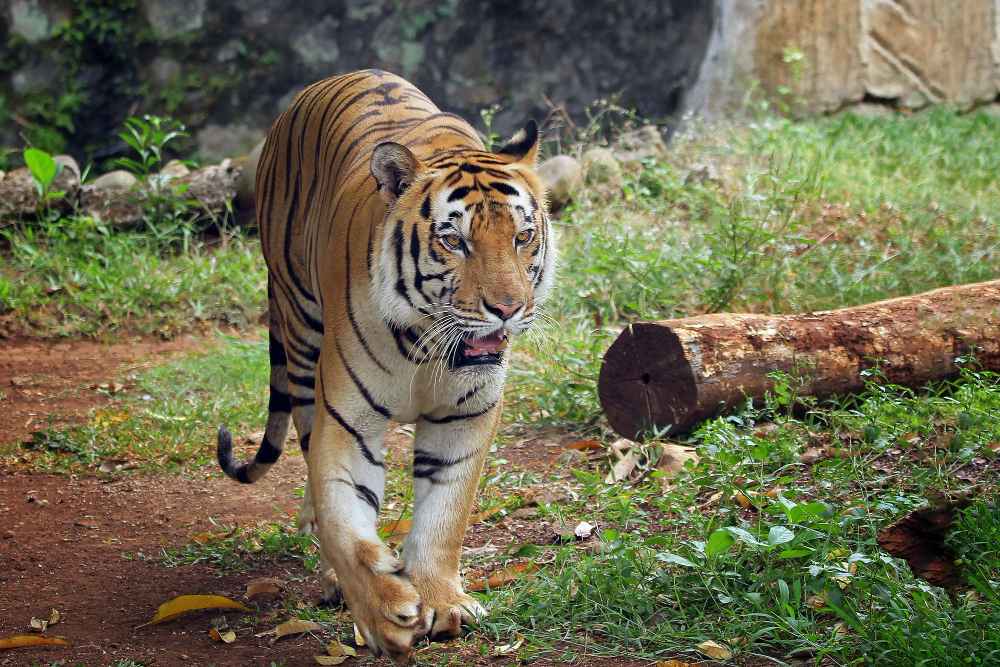
Zone 8 — Hills and Solitude
Zone 8 sits a little deeper into the buffer belt, with rolling hills and thinner tourist traffic than most other parts of the reserve. The landscape supports solid populations of deer, and wild boar too along with steadily increasing tiger sightings, and somehow the trails feel less crowded. That makes it ideal for visitors who prefer a calm ,more undisturbed jungle experience over the pressure of guaranteed big cat photographs.
Zone 9 — Streams and Dense Cover
Zone 9 sort of blends dense mixed forest with seasonal streams that pull in a wide range of wildlife, especially during and after the monsoon, when the buffer area turns lush and green. In this zone leopards are spotted with more and more regularity , and because the cover is so dense it gives the area a wilder, more untouched vibe than the comparatively more open core zones.
Zone 10 (Aantri) — Birdwatcher's Paradise
Zone 10, locally called Aantri, is kind of one of the newer add on parts of the safari circuit, with rolling hills and a few small lakes that, honestly, have become a favourite of birdwatchers. Here you can spot eagles, vultures and kingfishers pretty regularly. And in recent years tiger sightings have also increased a lot, so Zone 10 now feels like a genuine dual purpose safari, for both birding and big cat enthusiasts.
Best Time to Visit Ranthambore
Ranthambore National Park is open for most of the year, though the core zones close for part of it. Choosing the right season depends entirely on what kind of experience you are looking for.
Flora and Fauna of Ranthambore
Ranthambore National Park sits at a fascinating ecological crossroads where the Aravalli and Vindhya hill systems meet, creating one of the most distinctive dry-forest habitats in India.
Flora
Ranthambore is mostly dry deciduous forest, kind of dominated almost completely by the Dhok tree (Anogeissus pendula) , and honestly the place has the largest continuous run of Dhok forest you can find anywhere in India. Over 300 plant species have been listed across the reserve, from huge banyan and peepal trees near the lakes , to thorny scrub on the more parched hill slopes. The forest has a unique trait that visitors often notice — within about a week of the first monsoon rains, the entire Dhok-dominated landscape turns a vivid, almost startling green.
Grasses and scrub growing in the open chaurs (grassland clearings) provide crucial grazing ground for chital and sambar, which in turn sustain the park's tiger population. Several medicinal plants and herbs traditionally used by local communities are also recorded across the buffer forests.
Fauna
The wildlife of Ranthambore National Park, while smaller in total area than many other Indian reserves, is exceptionally dense and visible. The park is home to over 40 species of mammals, 300 species of birds, around 40 species of reptiles, and a wide range of insects and amphibians.
Marsh Crocodiles (Muggers), Indian Pythons, monitor lizards, and a wide variety of snakes are seen around the lakes and rocky terrain of Ranthambore.
More than 300 bird species have been logged, including Crested Serpent Eagles, Painted Storks, Kingfishers and Owls, plus the uncommon Red-headed Vulture, along with large numbers of migratory waterfowl. During winter, Padam Talab and Raj Bagh get sort of changed into a photo-worthy refuge, for bird photography, because resident birds and visiting migrants gather around the smaller, shrinking water bodies—so, yeah, you end up with this kind of vivid scene everywhere.
How to Reach Ranthambore National Park
Sawai Madhopur is the main entry point and headquarters for Ranthambore National Park. All safari gates, hotels and the railway station are accessible from Sawai Madhopur, which is approximately 11 km from the park's core zones.
By Air
The nearest airport to Ranthambore National Park is Jaipur International Airport, it lies about 180 km away, and it also has the strongest domestic and international flight access in the area.From Jaipur, private taxis, cabs, you can find them quite easily for a very comfortable 3 to 3.5 hour trip to Sawai Madhopur , and then on to the park.
For those travelers who mix Ranthambore with the Golden Triangle circuit, Agra (Taj Mahal) sits roughly 309 km away, and Delhi’s Indira Gandhi International Airport is around 350 km. Both of them are well linked by road as well as rail, so it feels practical whichever route you pick.
By Train
Traveling by train is the most popular and most convenient way to reach Ranthambore National Park. Sawai Madhopur Railway Station lies directly on the Delhi–Mumbai main line and is the nearest railhead, just 12-13 km from the park.
• Golden Temple Mail
• Ranthambhore Express (regional connections)
By Road
Ranthambore National Park is well connected by road from all major cities in North and Central India. National Highways NH 8 and NH 11A connect it to Delhi, NH 76 connects it to Udaipur and Ahmedabad, and NH 3 connects it to Mumbai, while State Highway SH 24 links it directly to Jaipur.
Route Chart
Distance guide from major cities to Ranthambore National Park.
Do's and Don'ts
Important guidelines to follow during your visit to Ranthambore National Park.
✓ Do's Inside the Park
✕ Don'ts Inside the Park
Frequently Asked Questions
Essential information about location, safari zones, wildlife, and travel details for Ranthambore National Park.
Plan Your Ranthambore Safari & Attractions Tour
Let us craft the perfect itinerary — combining tiger safaris with Ranthambore Fort, the lakes of Padam Talab and Raj Bagh, and the best of Sawai Madhopur and Rajasthan around the reserve.