Attractions · Kanha
Home/ Attractions/ Kanha National Park
10+ Attractions · Temples · Lakes · Adventures

Top Attractions Near Kanha

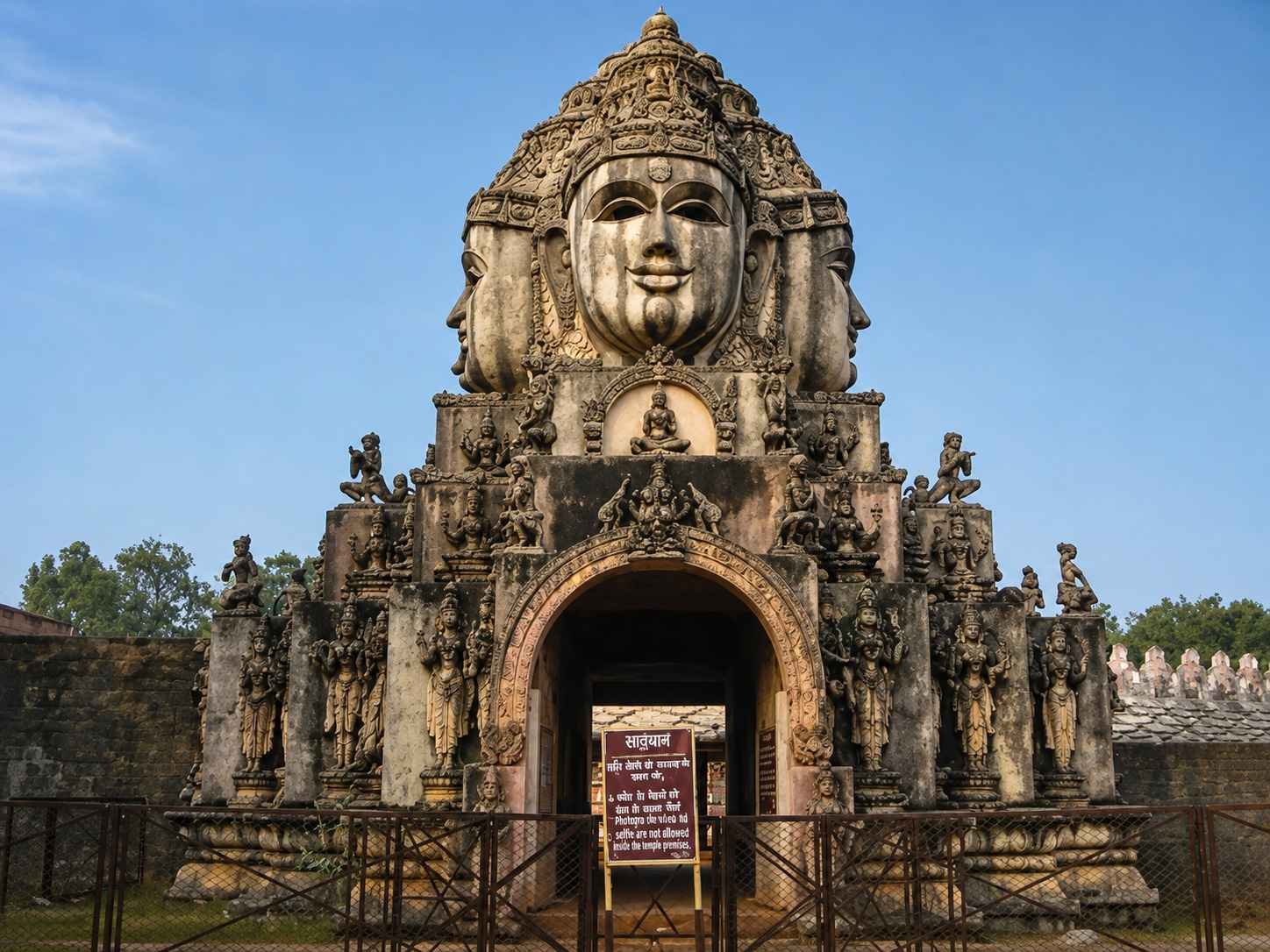
Kanha's wilderness doesn't end at the park gates. Discover ancient temples, tribal villages, breathtaking waterfalls, and nearby tiger reserves that turn your Kanha National Park journey into an unforgettable Central India adventure.

Plan Your Safari in 30 Seconds
Overview

Top Attractions in Kanha National Park

Kanha National Park is way more than just a tiger reserve. It sits across the Maikal range in the Satpura hills, Madhya Pradesh, and somehow it manages to feel like a whole world in one place. Here you get high-energy wildlife safari moments, open, wild natural scenery, living tribal traditions, and a set of conservation stories people actually talk about, all inside one big stretch of forest.

You start in the Kanha core zone, with wide open meadows where hard-ground barasingha graze as the morning light comes in, then you move toward Mukki, with its thick sal and bamboo pathways, where tigers slip quietly between the trunks, almost like they’re part of the forest itself. Every little corner, honestly, seems to have its own way of surprising you. Whether you’re a wildlife lover hunting your very first tiger sighting in Kanha, a birdwatcher who can’t resist places with more than 300 recorded species, a wildlife photographer after that perfect shot, or just a traveler trying to unplug from city noise, Kanha gives an experience that lingers, even after you’ve already left the woods.

Beyond the safaris themselves, the attractions in and around Kanha Tiger Reserve include the famous Kanha Meadow, the barasingha conservation enclosure, the Kanha Interpretation Zone, ancient tribal villages of the Baiga and Gond communities, and the scenic Banjar River valley, each adding a distinct layer to your overall Kanha National Park visit.

Must-Visit

Top Attractions

From tiger-filled meadows to tribal heritage trails, discover everything that makes Kanha National Park truly unforgettable.
Kanha Meadow

Kanha Meadow — The Heart of the Reserve

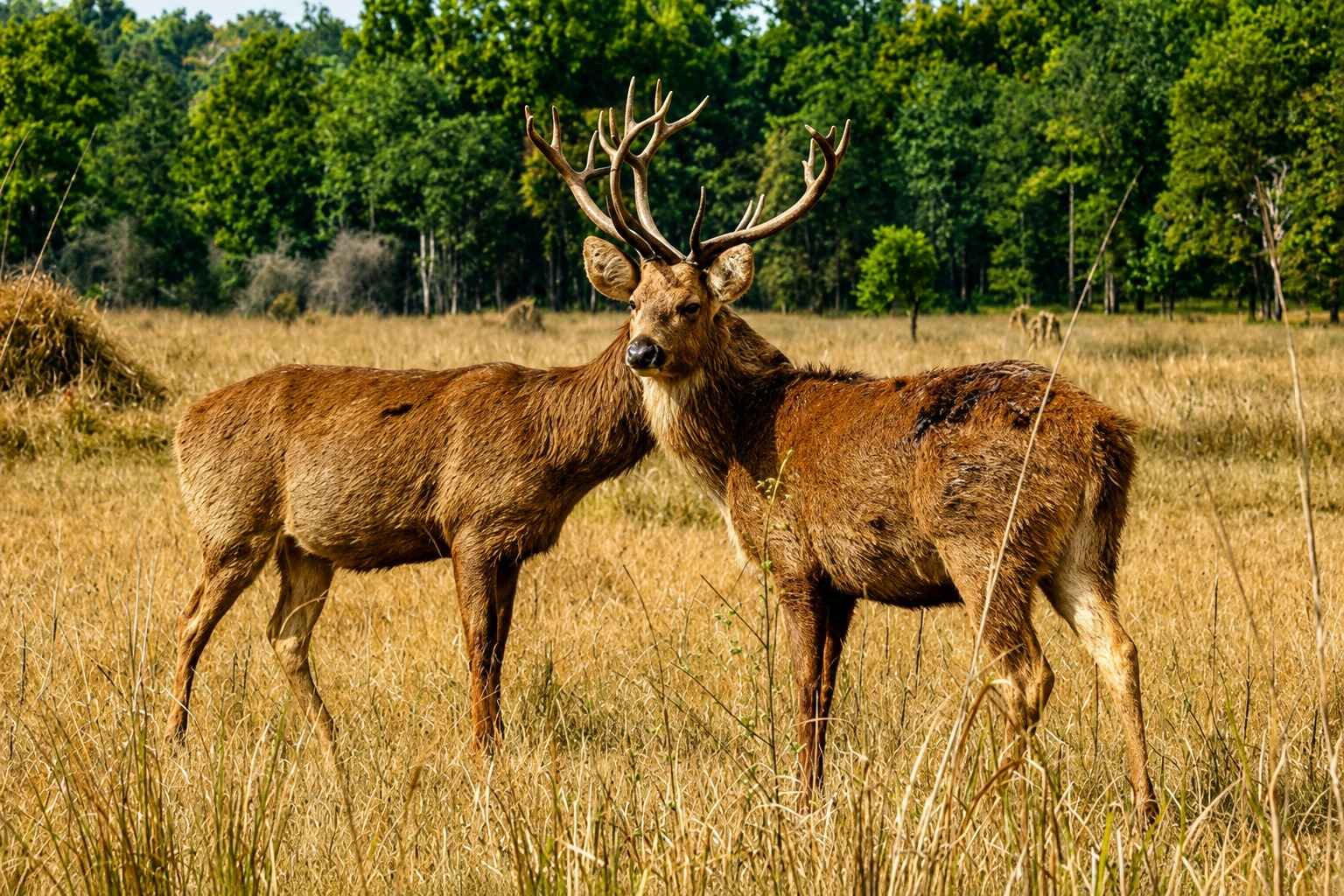
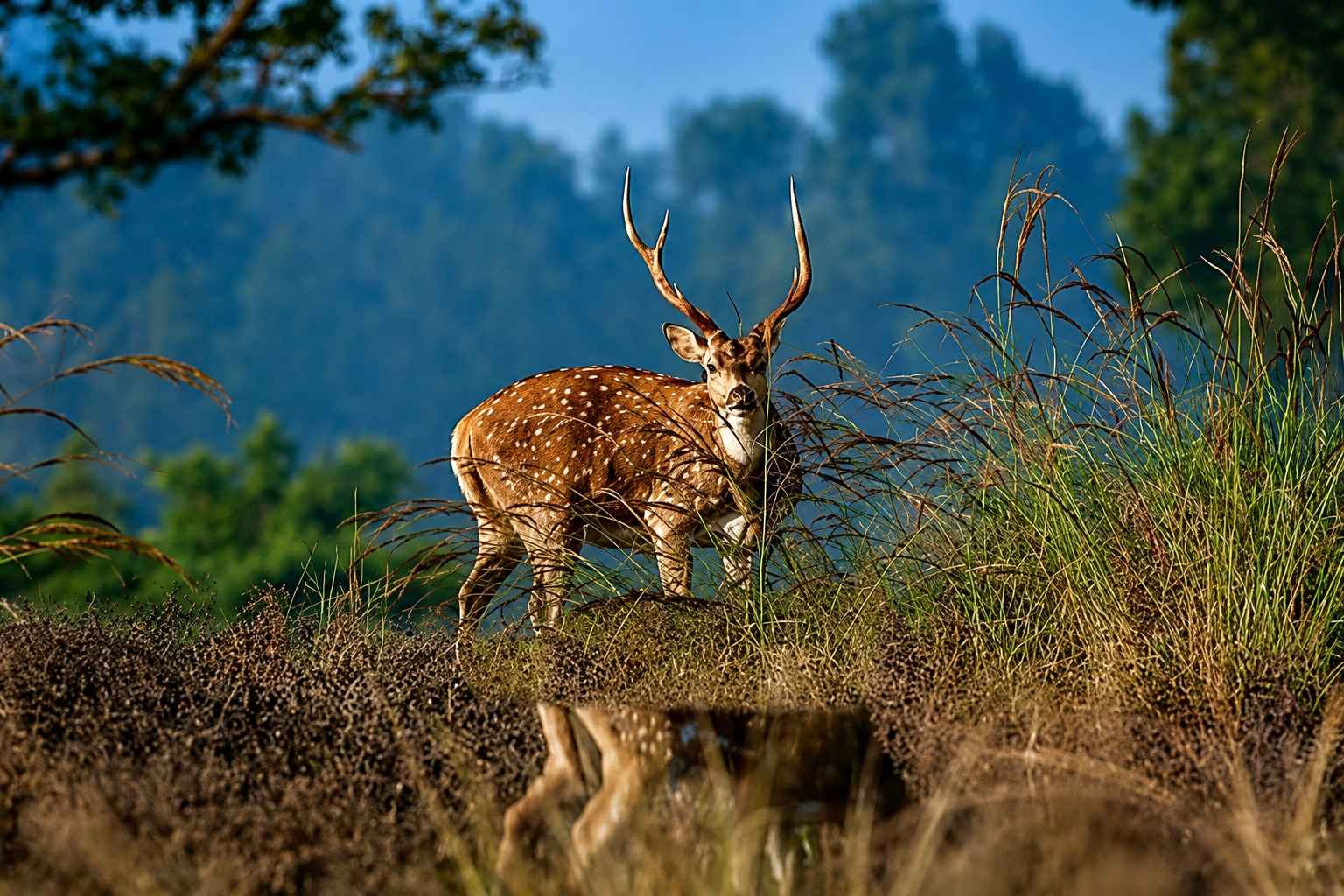
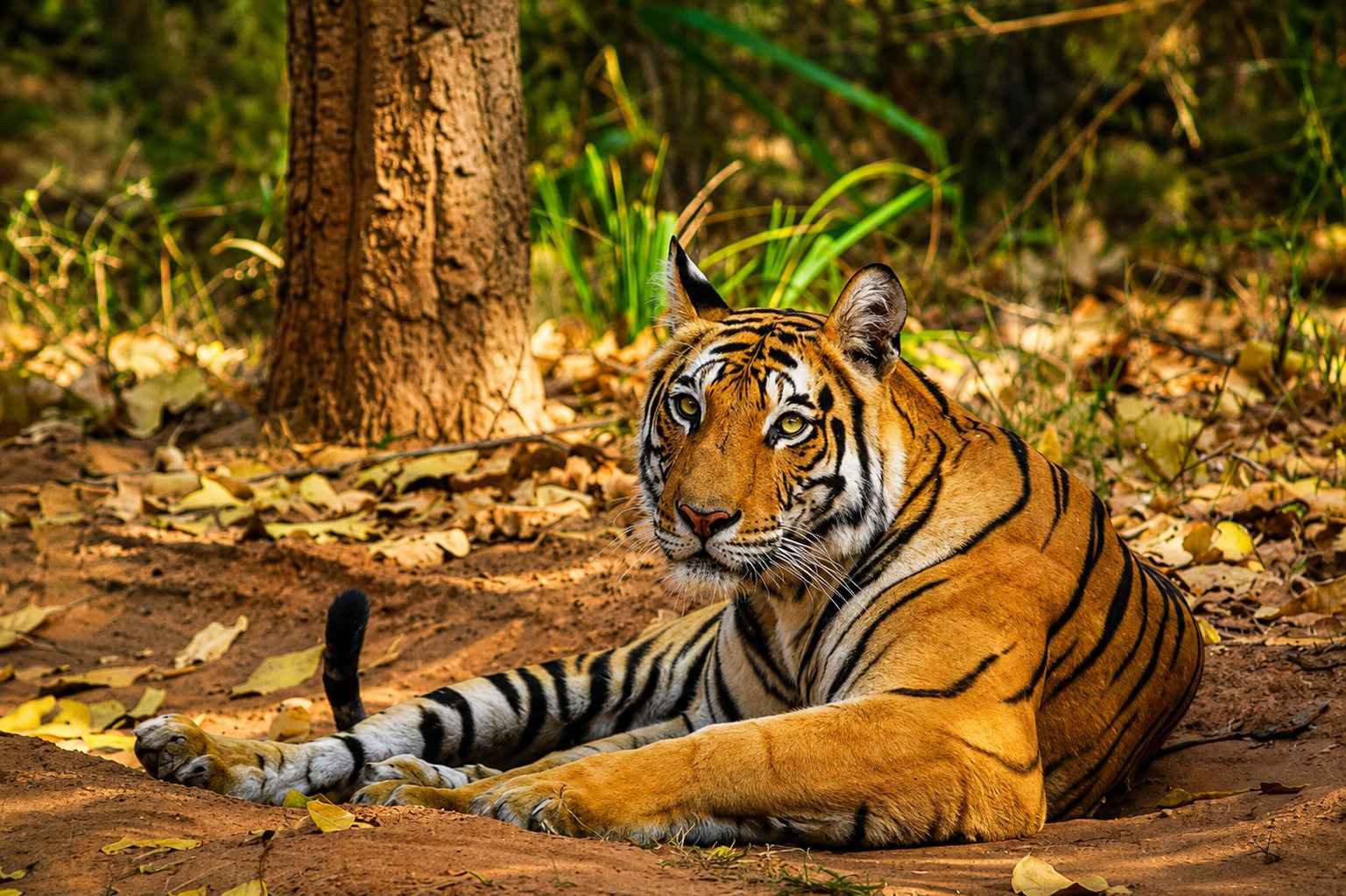
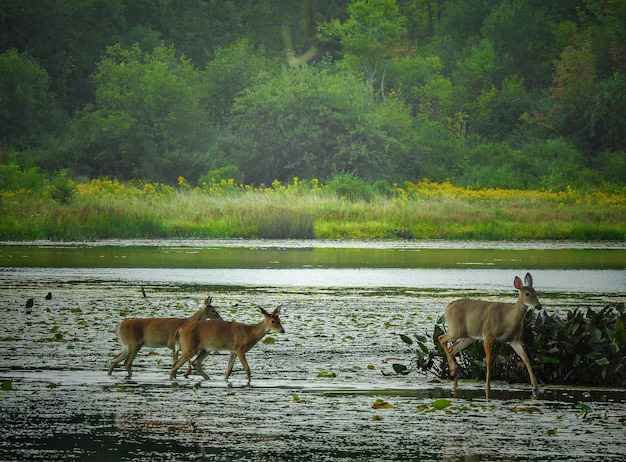
Kanha Meadow, locally known as Kanha Maidan, is honestly the single most iconic landscape inside Kanha National Park. That huge, open grassland across the core zone, feels like the heart of the park, and it is where a lot of the most celebrated wildlife meetings happen, for a simple reason. In the early dawn, the meadow sort of wakes up, with groups of hard-ground barasingha grazing quietly in the first pale light , so it becomes one of the few places on earth where you can really observe this critically rare swamp deer in its last natural stronghold. Tigers are also seen quite often, moving across the meadow's open stretch, especially in summer when the grass thins out and the big cats can travel more freely between the tree lines.

For wildlife photographers coming to Kanha National Park, that golden morning glow on the meadow, with animals sitting in the foreground is the kind of frame that defines the whole Kanha jungle safari feeling. It's the place every first-timer and repeat guest seems to aim for at the beginning, even before they think about anything else.

Bamni Dadar

Bamni Dadar — Kanha's Sunset Point

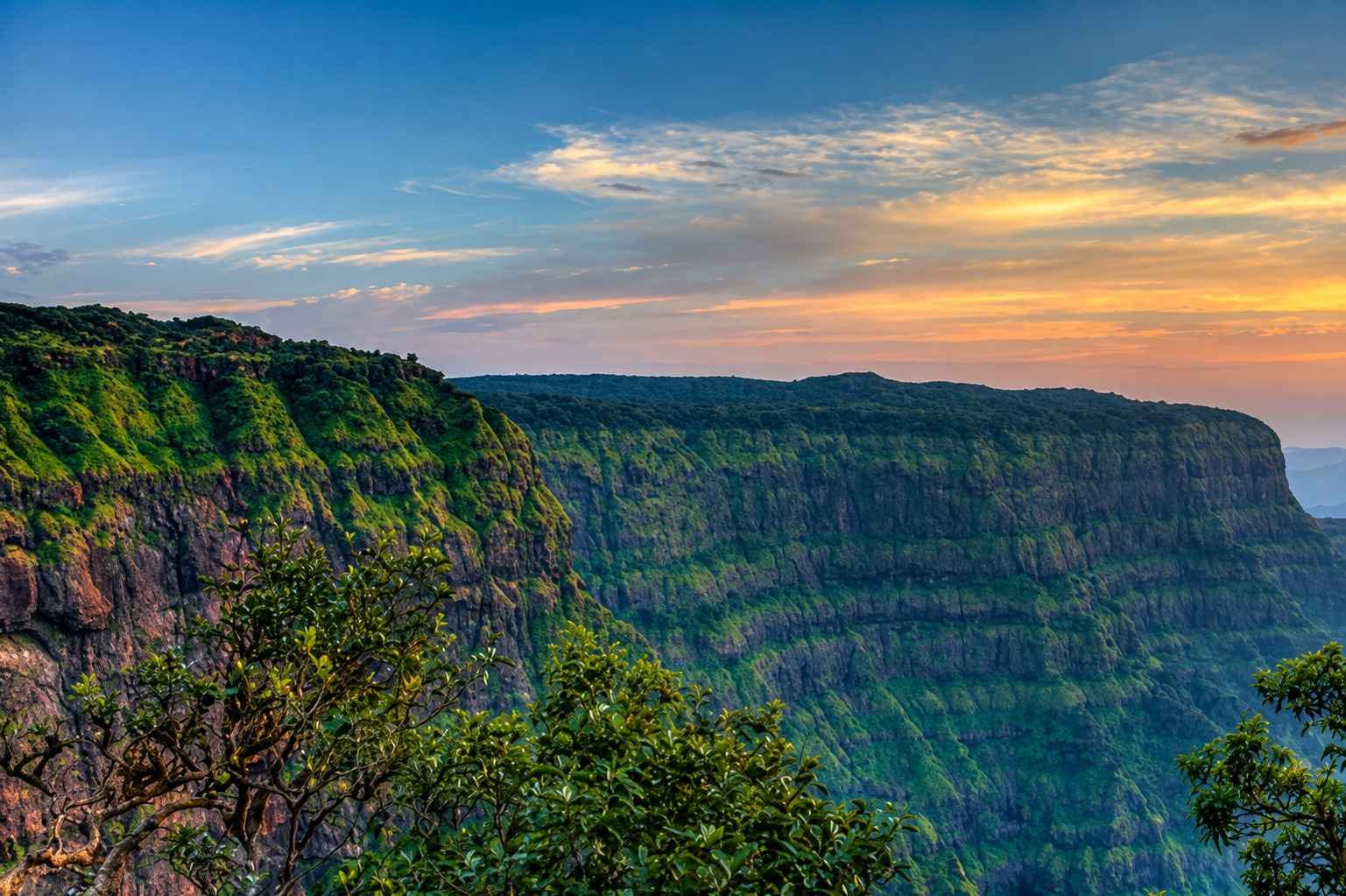
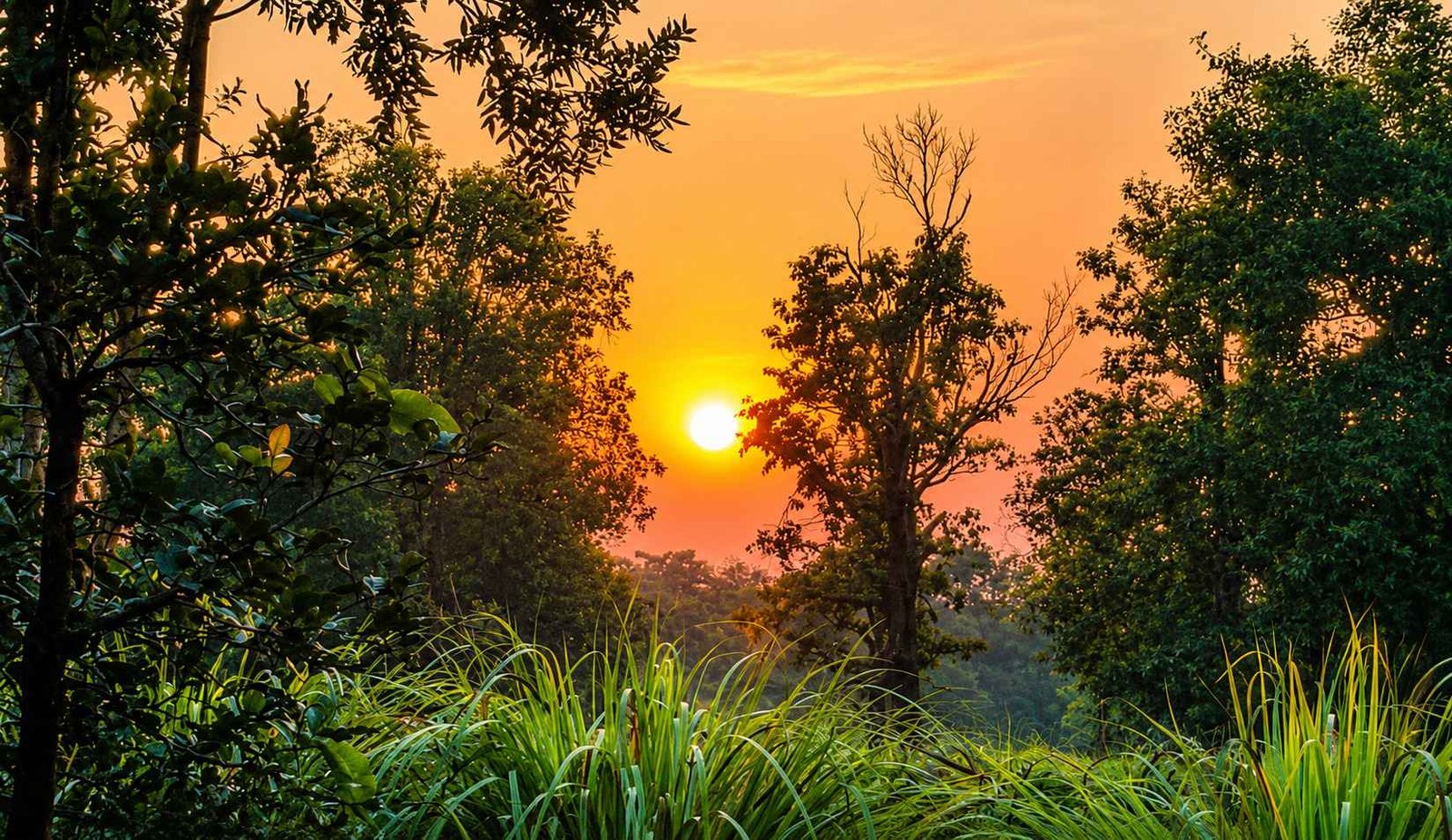
Bamni Dadar is maybe one of Kanha National Park's most cherished but also least crowded attractions, sort of a high plateau inside the reserve that gives this sweeping panoramic scene of the surrounding sal forest canopy as the sun starts to sink over the Maikal hills. Locally they say it's the "Sunset Point of Kanha" , and honestly that title fits, because the elevated place is reachable during safari hours and you get a rare chance to see how the jungle changes from the warm golden glow of late afternoon, into that deep blue dusk. Often enough, Gaur, sambar, and chital are seen grazing along the plateau edges at this time, and the whole mood feels calm, unhurried, and very atmospheric.

For travelers seeking more than a tiger-focused safari, Bamni Dadar offers a peaceful and unique side of Kanha, showcasing the tranquil beauty of one of Central India's richest wildlife landscapes, and it really stays with you even after you leave.

Shravan Tal

Shravan Tal — The Sacred Forest Lake

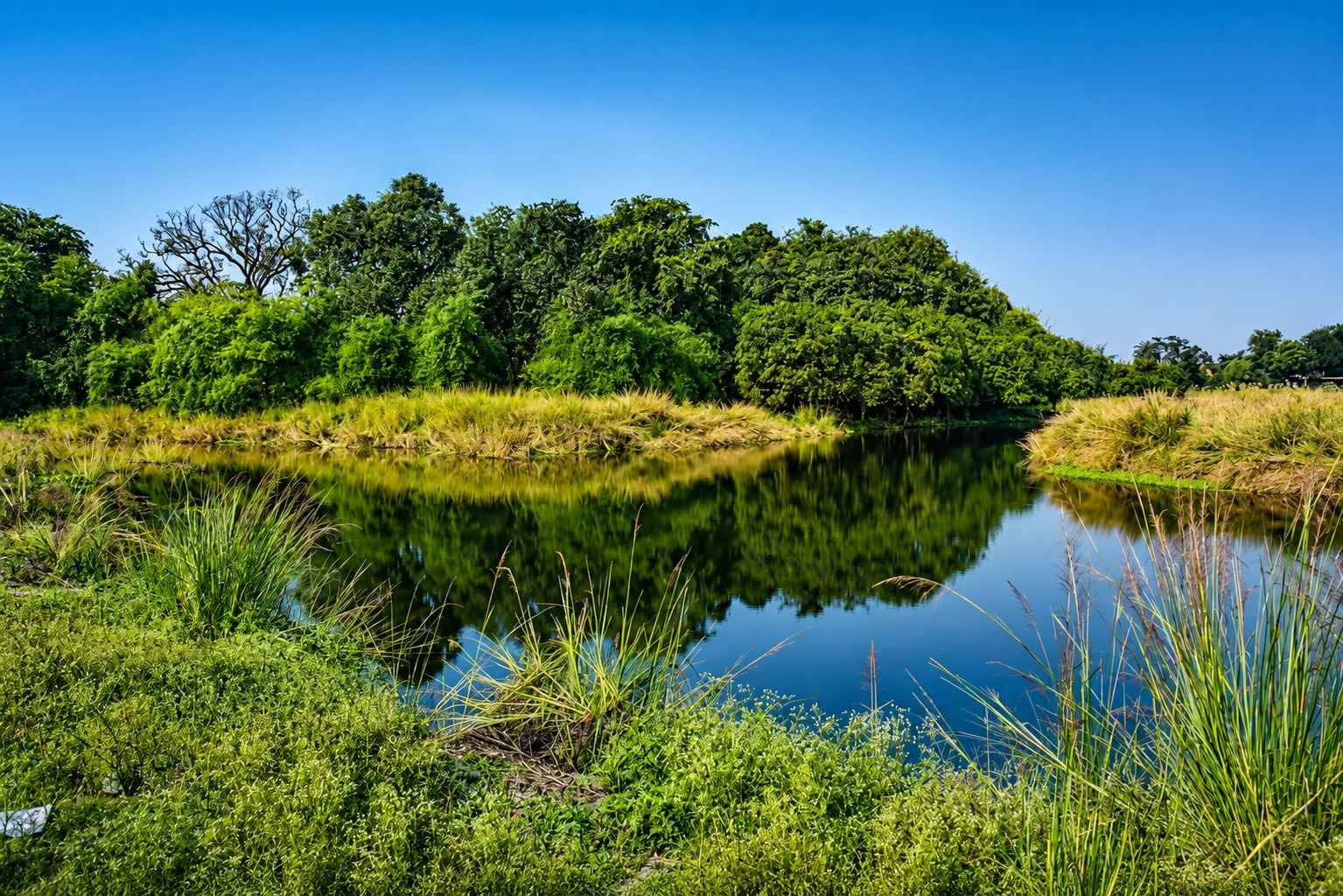
Shravan Tal is like a small , serene lake tucked in the forest interior of the Kanha Tiger Reserve, and somehow it holds both natural calm and spiritual meaning too. As per local tellings , this is the place linked to Shravan Kumar, the devoted son from the Hindu epic Ramayana who once came here to draw water for his elderly parents, before things went wrong and he was mistakenly shot by King Dasharatha. Today the lake still pulls in pilgrims, but also wildlife watchers, because this peaceful water body keeps a steady parade of animals—deer , gaur and many kinds of resident water birds, all moving around through the day.

So if you're on a Kanha National Park safari and you're into birdwatching, Shravan Tal feels like a good stop , especially in winter months when migratory birds arrive and blend with the usual species along the banks. With that mix of forest mythology , real scenic charm, and dependable wildlife activity, it's one of Kanha's more quietly memorable, and honestly a bit underrated attractions inside the core zone.

Kanha Interpretation Zone and Museum

Kanha Interpretation Zone and Museum

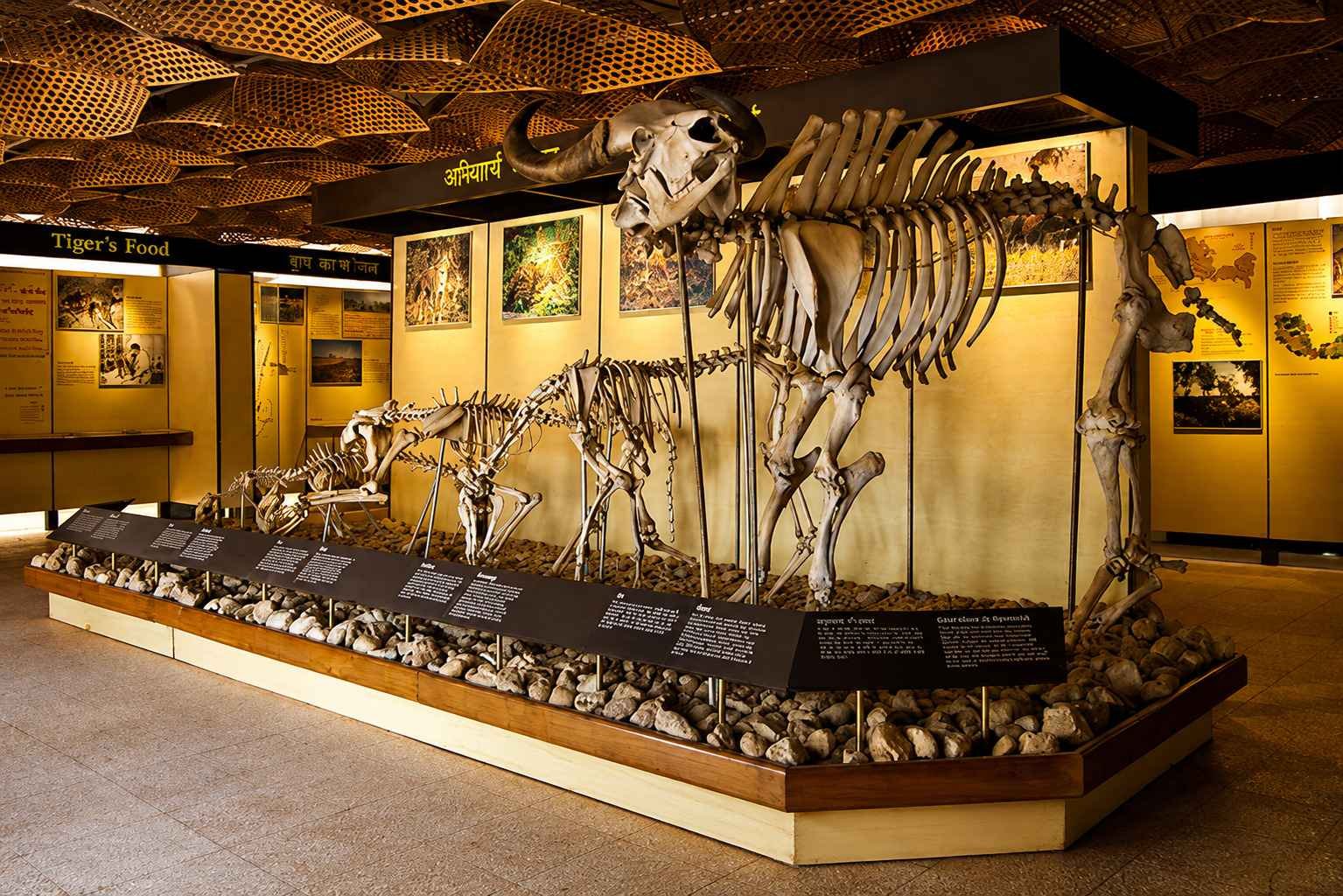
Sitting pretty close to the main Khatia entry gate, the Kanha Interpretation Zone and the little museum that adjoins it sort of give visitors a very engaging, but also educational, first look at the ecology, wildlife, and even the conservation history of Kanha Tiger Reserve before people move on into the forest itself. Inside, you'll find detailed exhibits about the park's flora and fauna, the comeback story of the hard-ground barasingha, how Project Tiger helped bring Bengal tiger numbers back, and also the traditional way of life of the Baiga and Gond tribal communities, who have shared life with this forest for centuries.

For families who are traveling with children, for those doing a first real wildlife visit, or for anyone trying to understand what actually makes Kanha National Park one of India's most important tiger reserves, this interpretation zone really is a must stop. It can turn what starts as a Kanha jungle safari into something more meaningful, with much better context about central India's most well known forest ecosystem.

Banjar River Valley

Banjar River Valley — The Forest's Lifeline

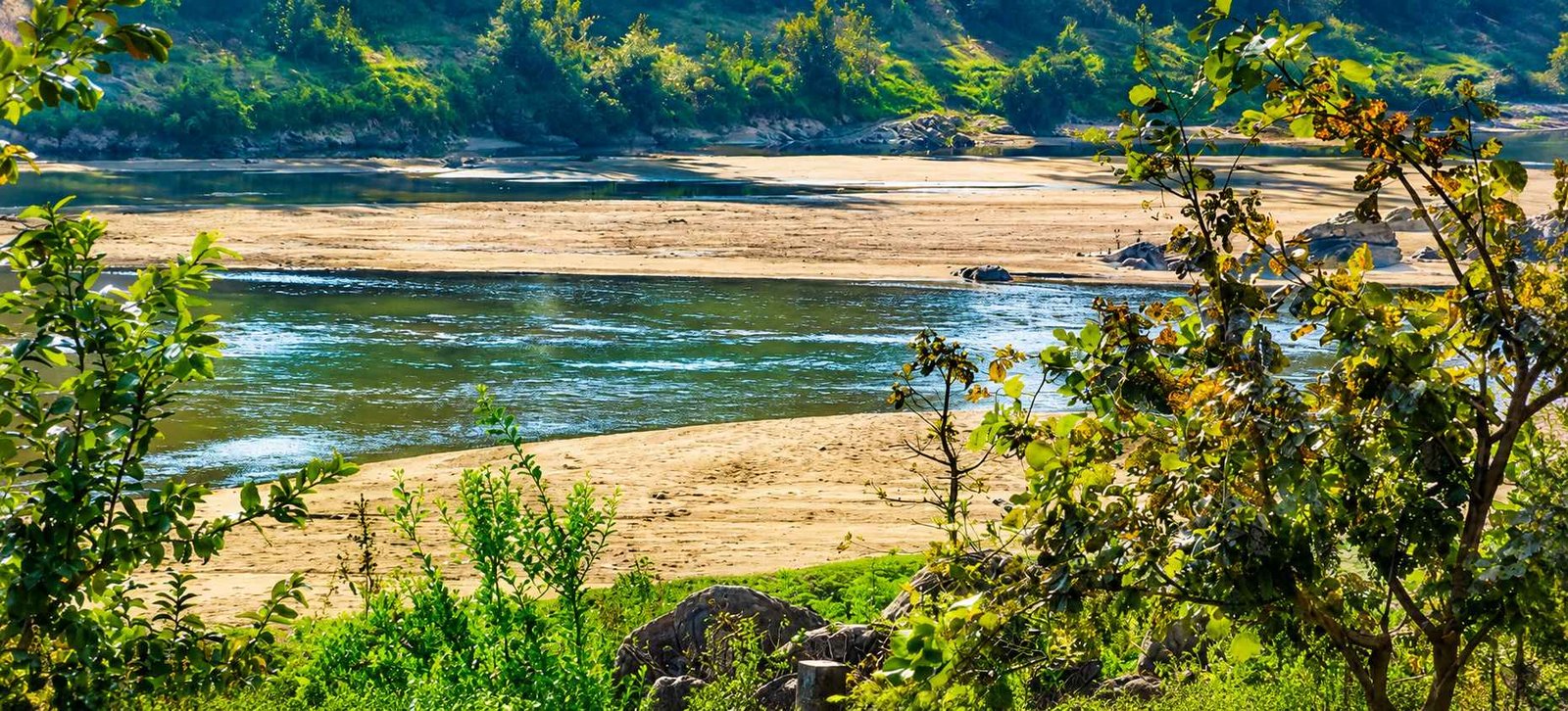
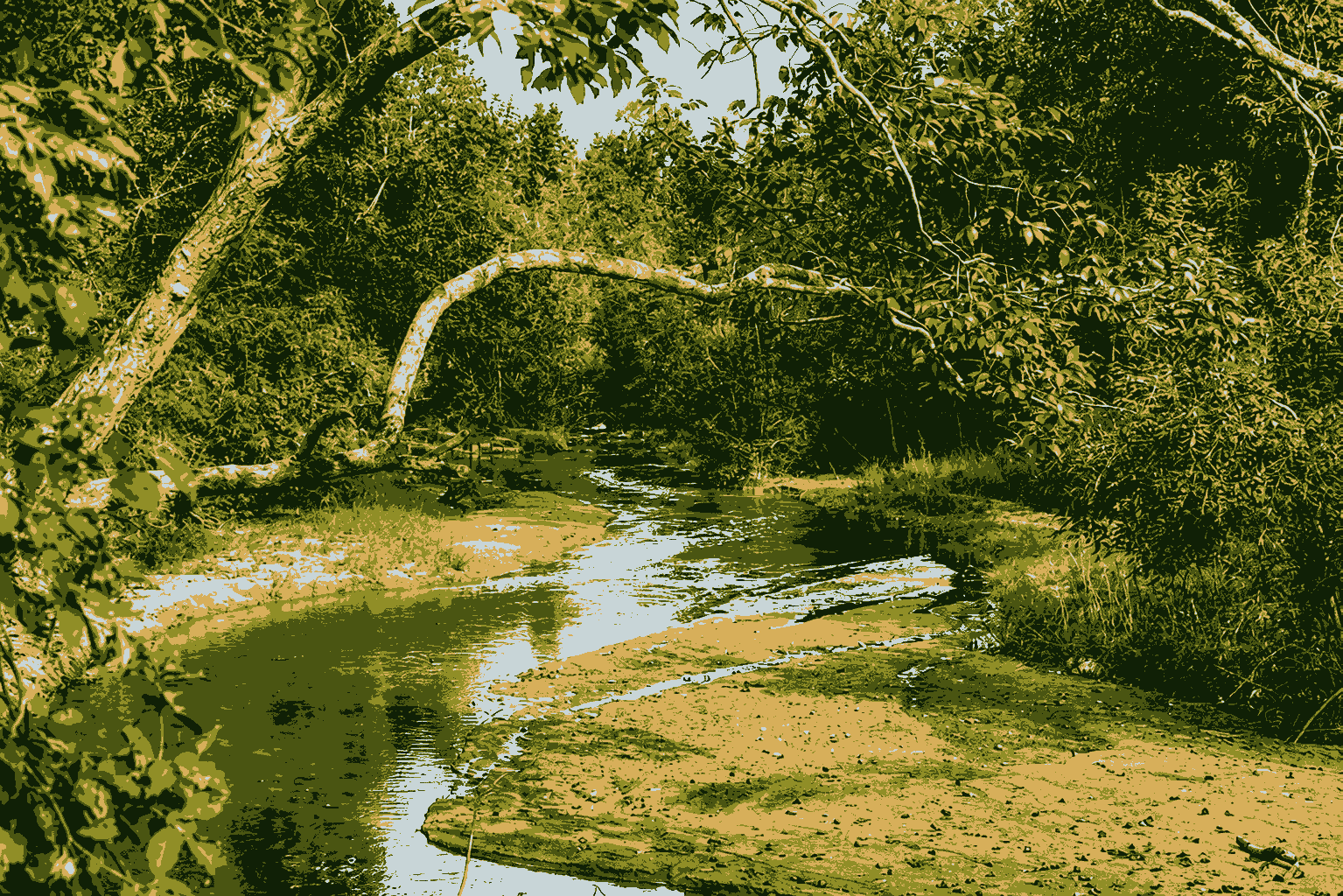
The Banjar River flows along the southern boundary of Kanha Tiger Reserve, kind of carving this scenic river valley through dense sal plus mixed deciduous forest, before it passes pretty close to the Mukki safari zone. In many ways it acts like a lifeline for the whole Kanha set up, keeping water on hand for wildlife, especially during the dry summer period when other natural pools start to give up. The riparian belt along the banks provides a habitat that feels notably distinct from the rest of the park, and that's why it draws in species such as Indian skimmer, river terns and several kingfisher species that birdwatchers often go out of their way to spot, when they're visiting Kanha National Park.

Also, tigers and leopards are known to move along the river corridor, so safaris that thread through the Banjar valley tend to be more rewarding. For guests staying at MPT Safari Lodge Mukki, the river is basically right at their doorstep, so there's this rare natural soundtrack going on through their Kanha wildlife stay.

Baiga and Gond Tribal Villages

Baiga and Gond Tribal Villages — Living Heritage

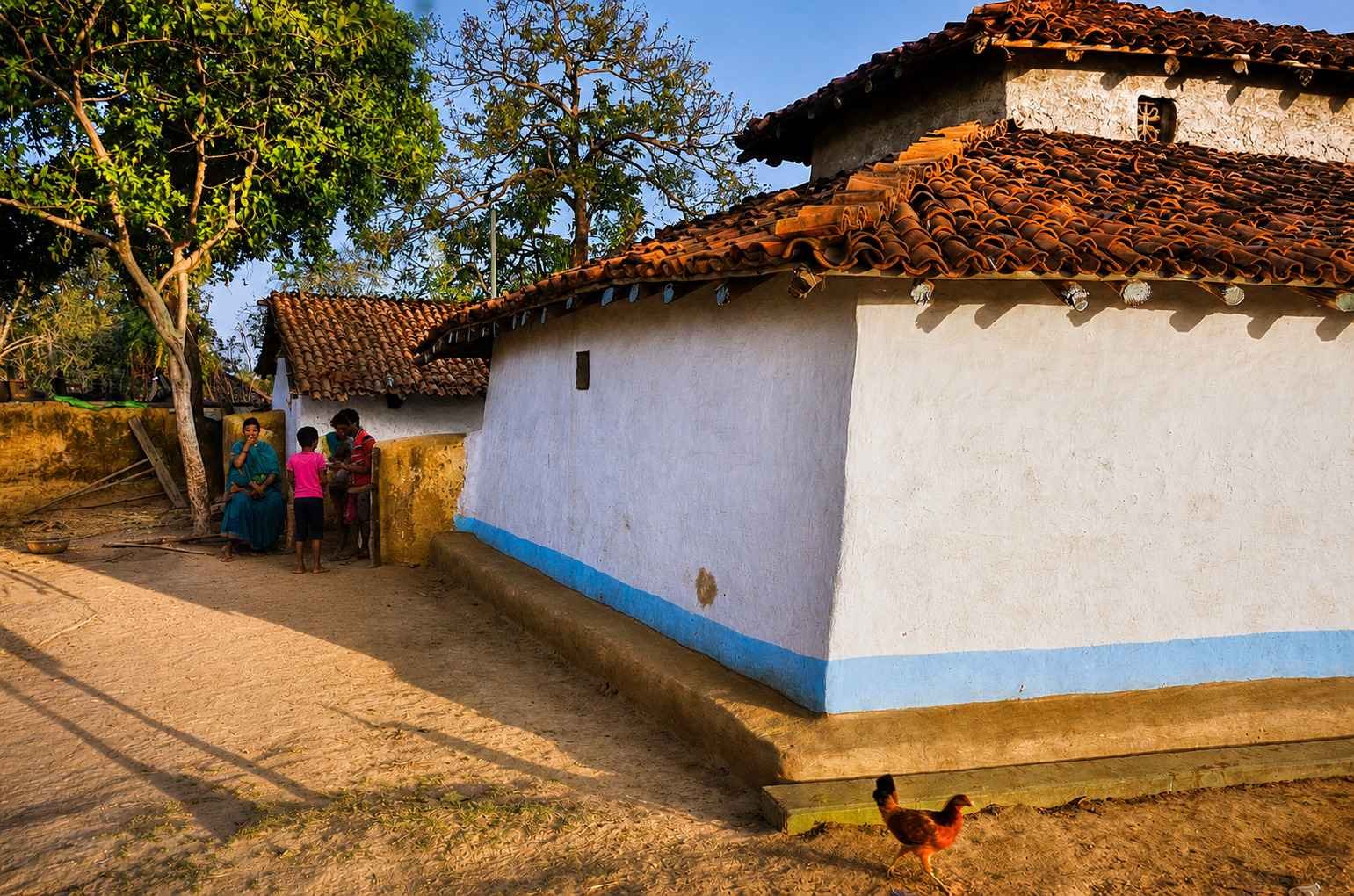
One of the more distinctive but sometimes missed parts of a Kanha National Park trip is the chance to mingle, in a respectful way, with the Baiga and Gond tribal communities who have been living along the edges of this forest for ages. The Baiga tribe especially, is among Madhya Pradesh's older indigenous groups, and they carry a strong oral tradition, alongside tattoo art that is really eye-catching, plus a particular set of forest based medicinal skills. Their cultural identity is also tied very tightly to the sal and bamboo woodlands across central India and it shows in daily routines.

In some nearby villages close to the buffer zone boundary areas, visitors are welcomed, and it feels less like a staged stop, more like a real look at how people have coexisted with the jungle for centuries, day after day. So for eco-tourist travelers going for a Kanha Tiger Reserve safari, taking a little time in a Baiga or Gond village, can make the whole experience feel more complete. It links wildlife conservation with an equally meaningful narrative—the one about the people who have served as the forest's first caretakers, quietly for generations.

Kanha Safari Zones

Kanha Safari Zones — The Core Wildlife Experience

The safari zones in Kanha National Park are among the reserve's biggest attractions, with each zone offering unique landscapes, distinct wildlife habitats, and different wildlife sighting opportunities. The Kanha Zone pulls people in with its well known open meadows and barasingha herds, Mukki Zone is mostly famed for frequent tiger sightings, Kisli Zone is all about dense forest cover and steady gaur encounters, while Sarhi Zone works like a calmer, prettier option for anyone who wants a less crowded Kanha jungle safari.

Then there are the buffer zones, Khatia, Phen, Sijhora, and Khapa, which carry the journey forward— they stay active even when the monsoon months arrive and you get a more unusual offbeat angle of the reserve. So whether you are booking a Kanha tiger safari for the first time, or you come back again to pick a particular zone, the variety across these areas makes it so that no two safaris inside Kanha National Park ever really feel the same.

Supkhar

Supkhar — The Forgotten Eastern Wilderness

Supkhar is kinda one of those least discussed, but honestly pretty ecologically important spots inside the bigger Kanha Tiger Reserve. It sits almost quietly on the eastern side of the reserve, away from the main tourist circuits, like its own little world. This remote part of forest was among the earliest areas to be given sanctuary status back in the 1930s , so it carries a real historical weight in Kanha's conservation tale. Nowadays, it works like a critical wildlife corridor, helping tigers, leopards and other large mammals slip between Kanha and the surrounding forest landscapes across eastern Madhya Pradesh, without people interfering in the process.

For wildlife researchers, naturalists, and those offbeat travelers who want to check out the less commercial side of the Kanha National Park ecosystem, Supkhar feels like an authentic, undisturbed chunk of central India's wilderness that the mainstream safari route just doesn't reach. The dense mixed forest plus the relative solitude makes it genuinely a special nook within the whole reserve.

Kanha's Open Grasslands and Dadars

Kanha's Open Grasslands and Dadars — A Landscape Unlike Any Other

One of the more defining visual things about Kanha National Park that makes it feel different from most other Indian tiger reserves is this patchwork network of open grassland clearings, locally called dadars. These natural meadows , spread around the core zone between bits of sal and bamboo forest, are not just nice to look at , but ecologically they matter a lot. They work as key grazing ground for big herbivore numbers like chital, sambar, and the hard-ground barasingha, which then help keep the park's strong predator density going.

The dadars are also where some of the more dramatic Kanha tiger sightings happen, because large cats tend to use the forest edge as a sort of hunting boundary , stalking prey that moves across the open ground. So for wildlife photographers on a Kanha jungle safari, these grassland spaces give a better view, wider and less blocked, than the dense forest parts, and honestly that becomes a real highlight for pretty much any visit to the reserve.

Bird Watching in Kanha

Bird Watching in Kanha — A Paradise for Birders

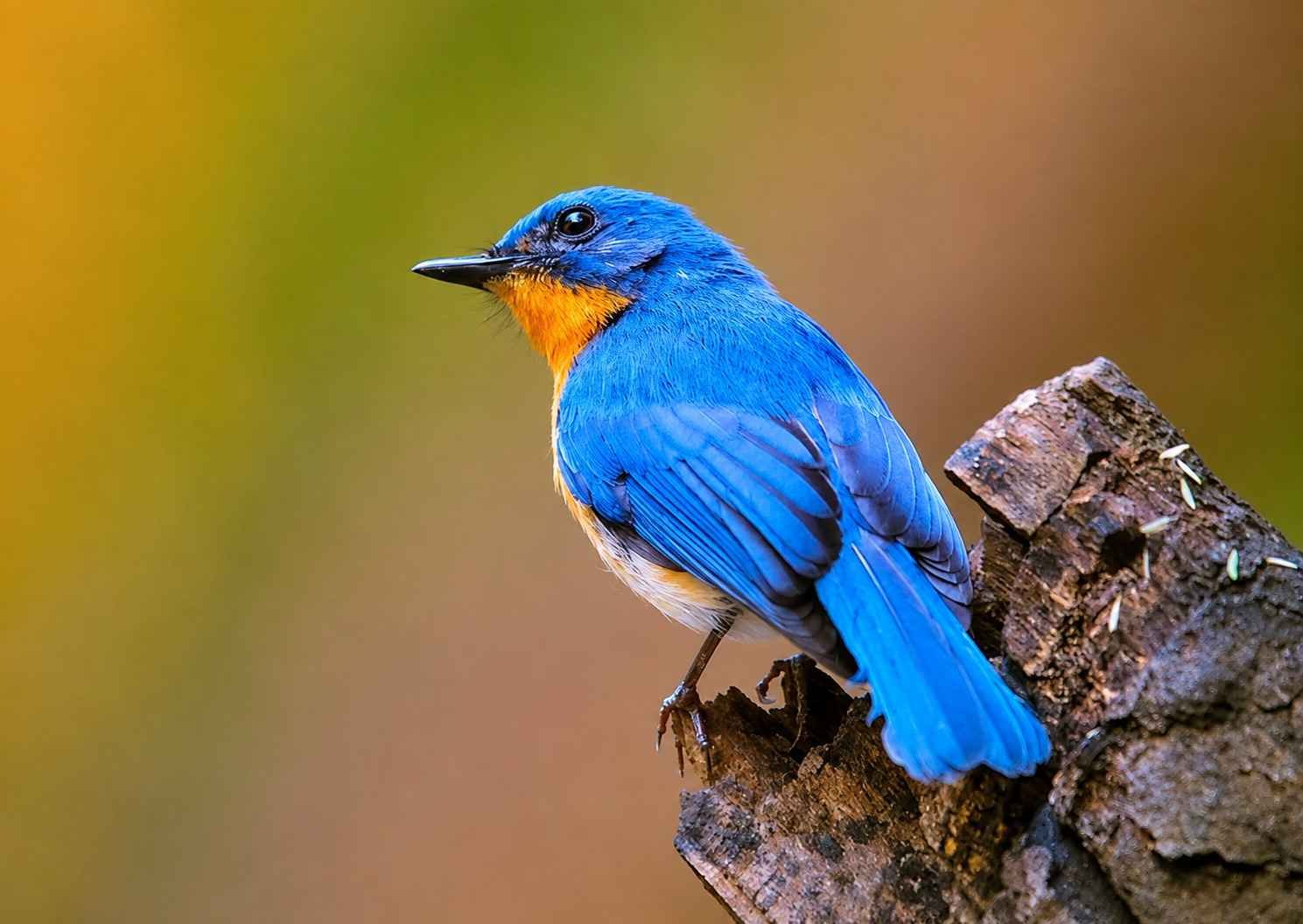
While Kanha National Park is, like, pretty well marketed as a tiger safari destination, its credentials as one of central India's finest places for birdwatching really should get much more attention then it usually does. There are over 300 recorded bird species, including resident, migratory and seasonal visitors, so Kanha gives an almost unreal birding experience across habitats that change a lot—open meadows, deeper forest interiors , and even the river side stretches, especially along the Banjar River. In winter, early morning safaris tend to be the best, because that's when you can often spot the brilliantly colored Indian Pitta, the bold Crested Serpent Eagle, Racket-tailed Drongos, Indian Rollers, Malabar Pied Hornbills, plus a whole bunch of owls, woodpeckers, and warblers.

And then, the park's waterholes , along with seasonal streams, keep drawing in kingfishers and wading birds, while higher up in the canopy you'll find raptors and other aerial feeders. If you're the kind of birdwatcher who is planning a Kanha National Park visit, the buffer zones are extra useful during the monsoon shoulder months. That's when resident species tend to be most on the move, more active, and easier to see.

Wildlife Photography in Kanha

Wildlife Photography in Kanha — Frames Worth Travelling For

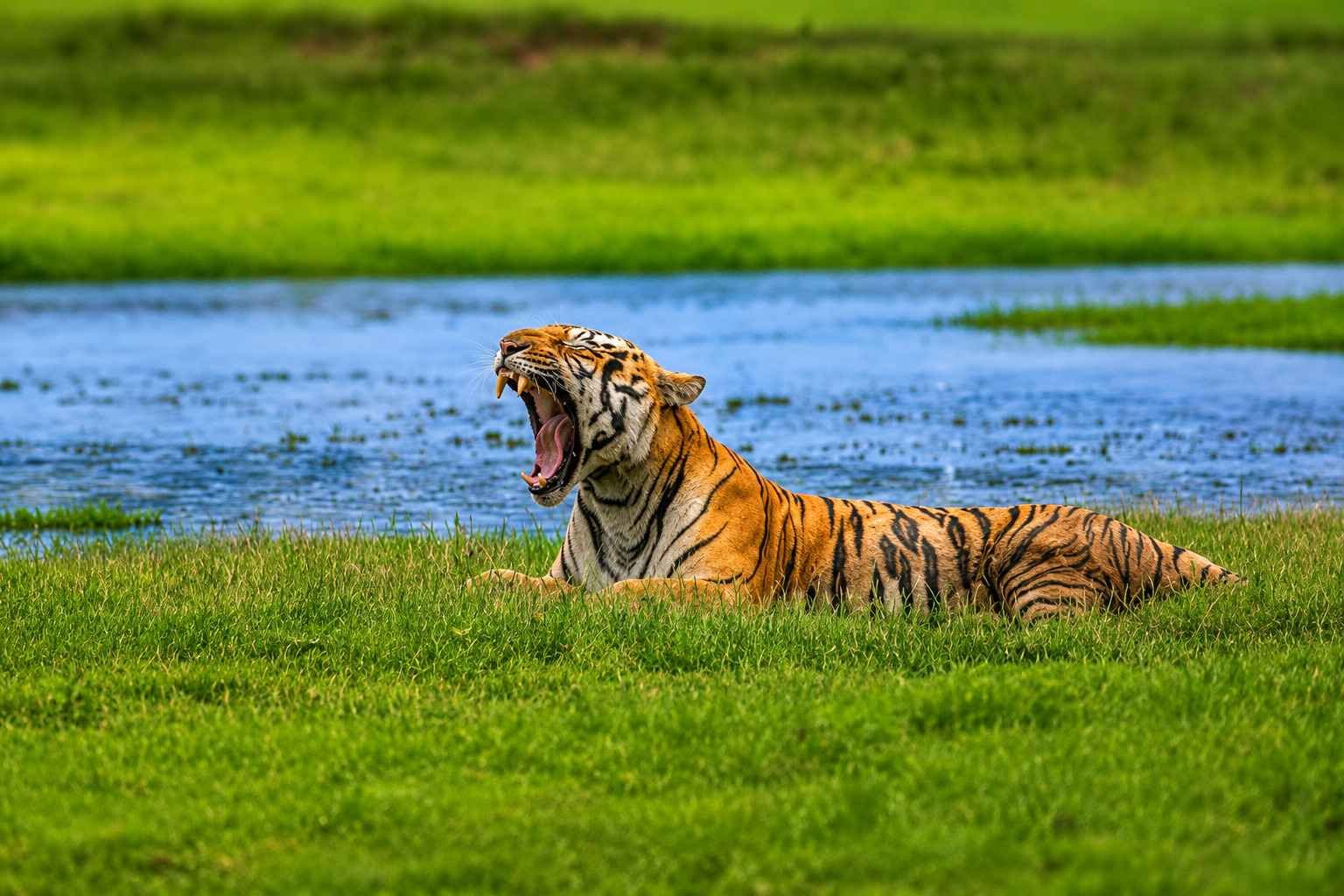
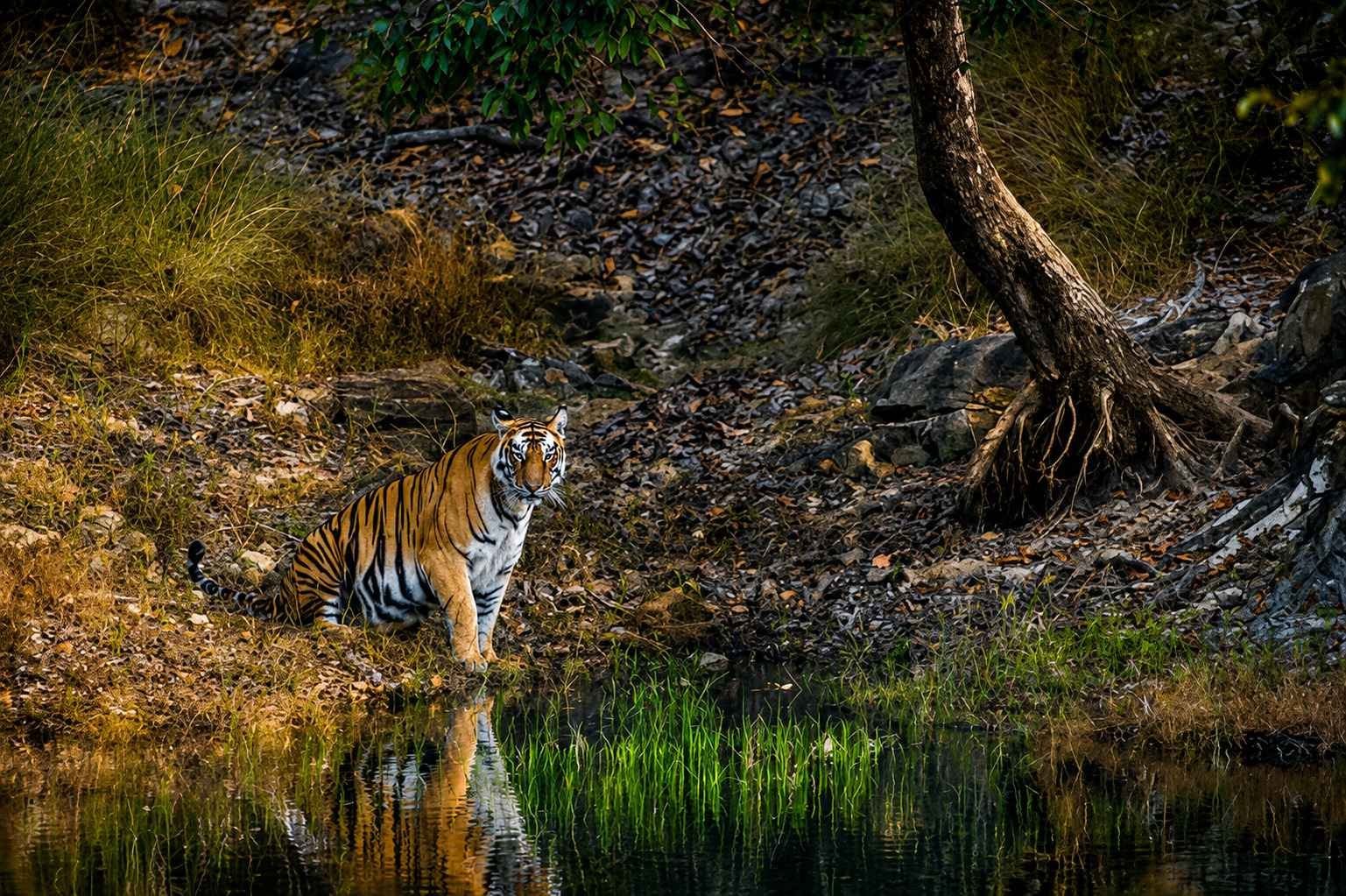
Kanha National Park has kind of quietly made itself one of India's prime wildlife photography spots, and honestly for really good reason. You get those open meadow vibes, the light is often excellent in the early morning and again in the late afternoon safari slots, the animals can be relatively habituated , and there's a trail network that's well kept across several zones. Together it feels close to the ideal setup for getting strong images of tigers, barasingha, gaur, plus all that birdlife right where it naturally happens. There's also that famous kind of scene , a Bengal tiger sliding out from the treeline and into the golden Kanha Meadow at sunrise, and it's still one of the most chased-after frames in Indian wildlife photography.

What makes it more than just a dream is Kanha's steady tiger sighting record , so photographers actually have a real shot at getting it. And it's not only tigers: the hard-ground barasingha grazing in soft morning light, wild dogs going after prey in coordinated packs, and Indian Pittas resting on low branches, make equally striking subjects. If wildlife photography is your passion, a dedicated multi-day Kanha tiger safari is an experience you shouldn't miss in Central India.

Activities

Things to Do in Kanha National Park

From pretty thrilling tiger safaris and night drives, to birdwatching, tribal village walks, and riverside nature trails, Kanha National Park kinda offers more ways to wander than most visitors ever expect, even when they think they've heard it all already.

Jeep Safari

The open top jeep safari is the real pulse of any Kanha National Park trip, putting you straight inside the forest with almost nothing between you and the wildlife. Whether it's a tiger crossing the trail, or a barasingha group grazing in that early morning mist, every Kanha jeep safari gives you little scenes that no single photograph really manages to fully capture.

Birdwatching

With more than 300 bird species recorded, Kanha National Park is a really serious destination for birdwatchers. You can spot the brilliantly colored Indian Pitta and Malabar Pied Hornbill, plus Crested Serpent Eagles , and Racket-tailed Drongos too. In the early morning hours , out across Kanha's meadows, along forest footpaths, and near the riverside edges, the birding feels like some of central India's finest moments… you know, the kind you don't rush.

Wildlife Photography

Kanha has open meadow spaces, nice natural light , and animals that seem kinda used to observers, so it is one of India's best spots for wildlife photography. Taking photos of a Bengal tiger stepping through Kanha Meadow at sunrise or seeing a barasingha group grazing in that golden morning glow, those are the scenes that pull photographers back again and again, year after year, back to Kanha National Park.

Village Visits — Baiga and Gond tribal culture

Going to the Baiga and Gond village fringes around Kanha National Park brings in a strong cultural touch, like it sort of completes the whole wildlife trip. These communities hold centuries of forest know-how, they also have different art styles and a way of living that is really tangled with the sal and bamboo woods across central India.

Swing by Bamni Dadar Sunset Point

The drive to Bamni Dadar, Kanha's well known sunset point, feels calm in a way you don't expect. You watch the sun ease down behind the Maikal hills, and at the same time gaur and sambar keep feeding along the plateau edge. It's that simple scene which somehow sums up the real magic of Kanha.

Explore Shravan Tal

Going to Shravan Tal, that sacred forest lake inside Kanha Tiger Reserve, feels like a blend of natural beauty with old mythology, and honestly it's hard to put in one sentence. The water stays pretty still, so wildlife comes by through the day and migratory birds keep showing up, like it's part of some quiet rhythm. What really sets it apart though is the link to the Ramayana, which adds a sort of spiritual weight, so it doesn't feel like any other forest lake you might have seen.

Jungle camping close to Kanha

Right around Kanha National Park there are a few camps and eco-lodges where jungle camping is basically the point, you can spend the night with the forest sounds all around you. You end up falling asleep to cicadas then waking up to birdsong, and afterwards you go straight into a morning safari. That whole sequence is what makes it one of Kanha's more immersive wildlife experiences, and it feels personal even if you're just one visitor among many.

Cycling Trails

Riding along the buffer zone edges of Kanha National Park on a bicycle is, somehow, a really calm but nerve-fluttering way to meet the jungle, on your own time. You pedal through sal forest corridors with birdsong floating above you and every once in a while a deer appears somewhere near the route, and suddenly cycling feels like one of Kanha's more refreshing, yet still underrated, outdoor habits.

Sunset Walk to a Scenic Hilltop

Taking a walk up to one of Kanha's hilltop viewpoints when the sun is dropping behind the Maikal range kind of makes everything feel slower in the best possible manner. The broad forest panoramas, a cool draft against your face and those far off jungle sounds at dusk all add up to this genuinely unmissable Kanha evening moment.

Going a bit too wild in the lively tribal bazaars

Those smaller tribal markets and local bazaars close to Kanha National Park's entry gates can feel like real treasure chests, with authentic Baiga and Gond handicrafts , handwoven textiles , traditional jewelry, and forest-inspired art pieces. When you buy right from the people there, you're basically backing the local tribal craftsmen, and you also end up with a souvenir that's more meaningful , not just "stuff" , to take home from your Kanha tiger reserve trip.

Outdoor meals and bush dinners, kinda magical

A good number of jungle resorts and eco-camps near Kanha National Park set up dining in the open air, under the sky and right around the noises of the woods. Think candlelit bush dinners next to a crackling bonfire, or a sunrise-ish breakfast served in a forest clearing after an early morning safari, and suddenly every meal becomes one of those Kanha memories you don't really forget.

Places to explore

Nearby Places from Kanha National Park

Kanha's central place in Madhya Pradesh basically puts it within easy access of a bunch of wildlife reserves, heritage pockets, and natural wonders, so it becomes this kind of ideal starting point for a wider central India exploration plan.
Waterways

Rivers In & Around Kanha National Park

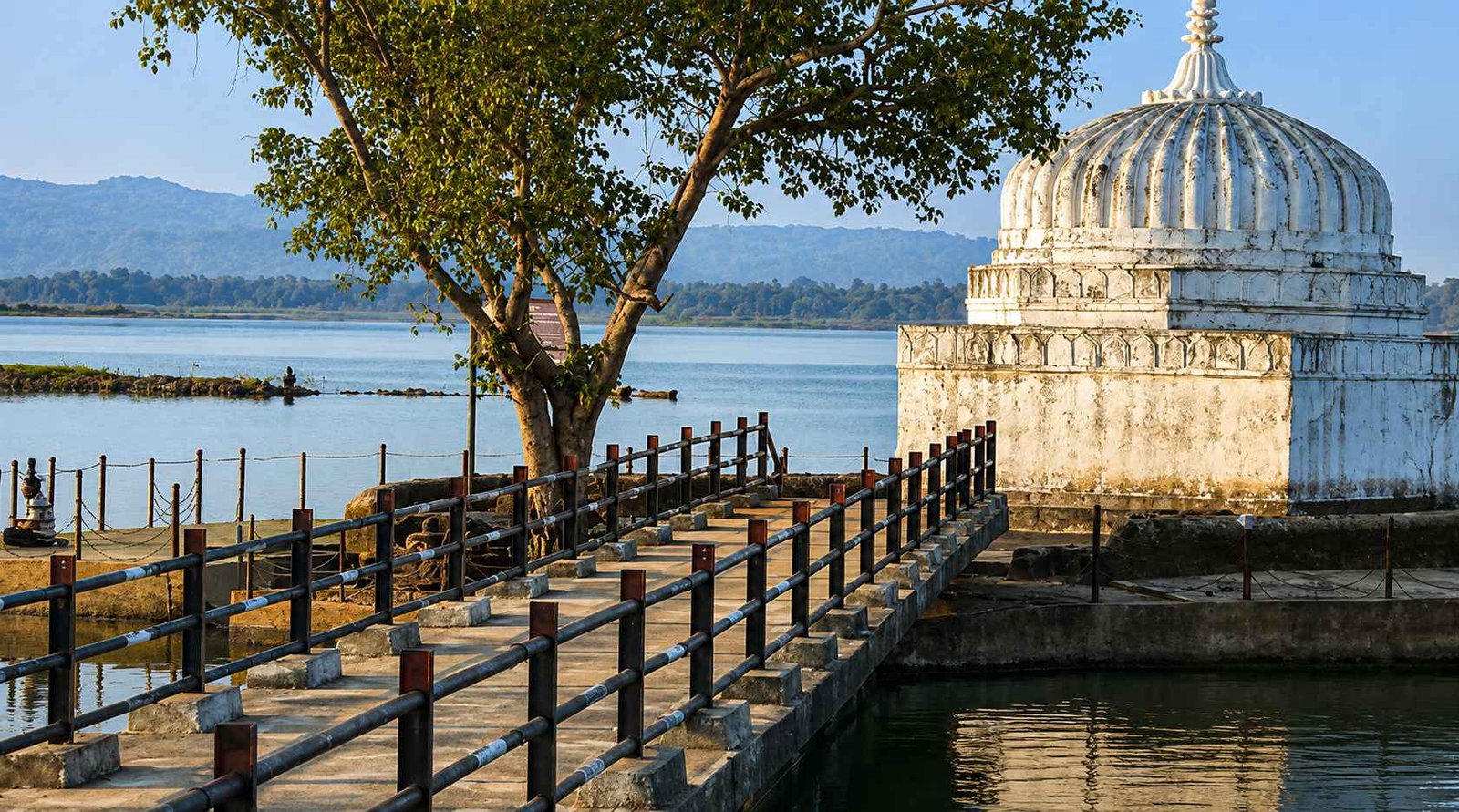
The river systems running through and around Kanha National Park are like the ecological backbone for the whole reserve, they keep the wildlife going, they shape habitats, and they also set the tone for the landscape of one of central India's more famous tiger reserves.

Banjar River — The Soul of Kanha

The Banjar River is, sort of, the most important waterway linked with Kanha National Park, and it runs along the southern edge through dense sal plus mixed deciduous forest near the Mukki safari area. In the dry summer stretch it becomes a key water source for tigers, gaur, and sambar. Along the riverbanks you get riverine forest which pulls in kingfishers, river terns, and those wading birds too, so it feels like a really rewarding run for birdwatchers and wildlife photographers coming into Kanha Tiger Reserve.

Halon River — The northern lifeline

The Halon River goes through the northern part of the Kanha Tiger Reserve, and that's also where the historic Hallon Wildlife Sanctuary got its name. That sanctuary is one of two protected areas that were later merged to create Kanha National Park in 1955. The forested sides of the Halon end up feeding seasonal streams, and little waterholes that keep wildlife going across the north zones. It also acts like a critical movement passage, connecting different pockets of the park's main forest, and it supports a broad mix of birds and reptiles.

Tanneur River — The Forest Boundary Stream

The Tanneur River is a seasonal stream flowing through the forested fringes of Kanha Tiger Reserve, quietly contributing to the park's overall water network during and after the monsoon months. Its course runs through mixed deciduous forest along the boundary areas of the reserve, supporting smaller wildlife populations, amphibians, and a variety of forest birds that depend on seasonal water sources within the broader Kanha National Park ecosystem.

Narmada River — the Holy River nearby

Even though it is not running straight through Kanha National Park, the Narmada River still feels tied to the region's scenery and cultural identity. It begins at Amarkantak, in the Maikal hills , which is also the same backdrop range behind Kanha's ecological world. Because of that it is often counted as one of India's most sacred rivers. Mandla is about 65 km from Kanha, and it sits along a scenic horseshoe bend of the Narmada, so it becomes an easy, good stop if you're building a Kanha National Park travel plan.

Son River — the Eastern link

The Son River, a major tributary of the Ganges, starts near Amarkantak in the Maikal hills and then moves east, through the Kanha Tiger Reserve. It isn't inside the park limits, but the Son River basin is part of a bigger ecological network that connects Kanha with forested stretches in eastern Madhya Pradesh and Chhattisgarh. In other words, this river system helps maintain a wider wildlife passageway, so tigers and larger mammals can shift and travel between protected areas across central India's conservation landscape.

Why These Rivers Matter

The Lifelines of the Kanha Ecosystem

The rivers running through and around Kanha National Park are way more than just pretty forest features, they are pretty much the real lifelines for the whole system. During those dry summer months March to June, when the smaller waterholes shrink and even the forest streams go from flowing to like a small trickle, it's the Banjar, Halon, Sulkum, and Tanneur rivers that keep on supplying essential drinking water. That water matters for Bengal tigers, leopards, Indian gaur, hard-ground barasingha, sambar, and chital, all of them. Tigers, in particular, tend to keep using these river corridors in summer so the stretches along the Banjar River near the Mukki safari zone can be especially good, tiger sightings there can be rewarding, like really. And it's not only the mammals either. These waterways also support kingfishers and river terns, freshwater turtles, and monitor lizards, plus they hold onto ecological moisture which helps keep Kanha's well known open meadows and dense sal forest canopy healthy, and that stays true throughout the year.

Got Questions?

Frequently Asked Questions

Everything you need to know about places, attractions, rivers, and wildlife experiences in and around Kanha National Park.

Kanha's top attractions include the iconic Kanha Meadow, Bamni Dadar Sunset Point, Shravan Tal sacred lake, the Kanha Interpretation Zone and Museum, the Banjar River Valley, Baiga and Gond tribal villages, and the park's famous open grassland dadars where hard-ground barasingha are regularly spotted at dawn.

Kanha Meadow, locally known as Kanha Maidan, is the most iconic landscape within the reserve. It is the primary habitat of the rare hard-ground barasingha and one of Kanha National Park's most consistent locations for Bengal tiger sightings, particularly during the summer months.

Bamni Dadar is a high plateau inside Kanha Tiger Reserve, popularly known as the Sunset Point of Kanha. It offers sweeping panoramic views of the surrounding sal forest canopy and is one of the most peaceful and visually stunning attractions within the reserve.

Beyond the core jeep safari, visitors can enjoy night safaris in buffer zones, guided nature walks, birdwatching, wildlife photography, cycling trails, sunset walks, visits to Baiga and Gond tribal villages, exploration of Shravan Tal, alfresco bush dinners, and shopping at local tribal bazaars near the entry gates.

Yes, Kanha is one of central India's finest birdwatching destinations with over 300 recorded species. Highlights include the Indian Pitta, Crested Serpent Eagle, Racket-tailed Drongo, Malabar Pied Hornbill, and numerous migratory species that arrive during winter months across the park's meadows and riverine habitats.

Yes, night safaris are offered in select buffer zones of Kanha National Park. They provide a chance to spot nocturnal wildlife including sloth bears, civets, leopards, and various owl species. Night safaris are not available on Wednesdays and are conducted under strict forest department supervision.

The Banjar River is the most significant river associated with Kanha National Park, flowing along the southern boundary near the Mukki safari zone. Other important waterways include the Halon River in the northern section and the seasonal Tanneur and Sulkum rivers within the broader reserve landscape.

The Banjar River is the ecological lifeline of Kanha Tiger Reserve, providing essential drinking water for tigers, gaur, barasingha, and other wildlife during the dry summer months. Its riverine forest corridor is also a rewarding habitat for kingfishers, river terns, and other water-associated bird species.

Several remarkable destinations are within easy reach of Kanha, including Pench National Park (210 km), Bandhavgarh National Park (210 km), Jabalpur and Bhedaghat Marble Rocks (130 km), Mandla (60 km), Amarkantak (160 km), Nagpur (260 km), and Tadoba Andhari Tiger Reserve (313 km).

Absolutely. Combining Kanha with Bandhavgarh National Park and Pench National Park is one of Madhya Pradesh's most popular central India wildlife circuits, allowing travelers to experience three distinct forest ecosystems and maximize their tiger sighting opportunities across a single extended wildlife trip.

The Baiga and Gond tribes are the two primary indigenous communities living on the fringes of Kanha Tiger Reserve. The Baiga tribe in particular is one of Madhya Pradesh's most ancient communities, known for their traditional tattoo art, forest-based medicinal knowledge, and a cultural identity deeply connected to the sal and bamboo forests of central India.

Yes, Shravan Tal is one of Kanha's most underrated attractions. This sacred forest lake carries mythological significance linked to the Ramayana and also attracts reliable wildlife activity including deer, gaur, and a variety of resident and migratory birds, making it a rewarding stop during any Kanha National Park visit.

Kanha's buffer zones can be explored through jeep safaris, cycling trails, guided nature walks, and night safaris. The Khatia, Phen, Sijhora, and Khapa buffer zones remain open throughout the year, including during the monsoon months when the core zones are closed.

Jabalpur is approximately 130 km from Kanha National Park and serves as the nearest major city and primary gateway for air and rail travelers. It is also home to the spectacular Bhedaghat Marble Rocks, making it a worthwhile stopover before or after a Kanha tiger safari trip.
Start Your Kanha Journey

Plan Your Kanha Safari & Attractions Tour

Let us craft the perfect itinerary — combining wildlife safaris with the best temples, waterfalls, hill stations, and river experiences around Kanha National Park.

Tiger