Pench National Park — where the Jungle Book kind of comes to life , every single day
Pench is one of those most captivating and soul stirring wildlife spots in central India. It’s placed along the boundary of Madhya Pradesh and Maharashtra, and it spreads across the Seoni and Chhindwara districts . This iconic tiger reserve sits at the southern edge of the Satpura hills, almost like it’s tucked there on purpose, and it is ringed by one of the loveliest dry deciduous forests you’ll ever see in your life.
The park is home to the powerful Royal Bengal Tiger, Indian leopard, Indian wild dog, sloth bear, Indian gaur and hundreds of other wild species that make every single Pench jungle safari a memory you carry with you forever. Whether you catch a tiger resting beside a water hole in the summer heat or watch a pack of dhole hunting through the golden teak forest at dawn, every moment inside Pench Tiger Reserve feels like a scene straight out of the wild.
Spread across a total reserve area of 1,179.63 sq. km, including a core zone of 411.33 sq. km and a buffer zone of 768.30 sq. km, Pench National Park is a breathtaking mix of teak forest, open grasslands, riverine patches along the Pench River and the wide blue expanse of the Totladoh Reservoir. With over 300 species of birds, 39 species of mammals and around 1200 species of plants, the flora and fauna of Pench National Park is as rich and diverse as any forest in India.
If you are into wildlife, take bird photographs, you’re a family on vacation or even just someone who wants to slip away from all that daily noise, Pench National Park has a kind of experience that feels raw , honest and honestly hard to forget. And no, it’s not only a national park. It’s the forest that stirred up The Jungle Book, and it’s just as magical as the tale, maybe more in a quiet sort of way.
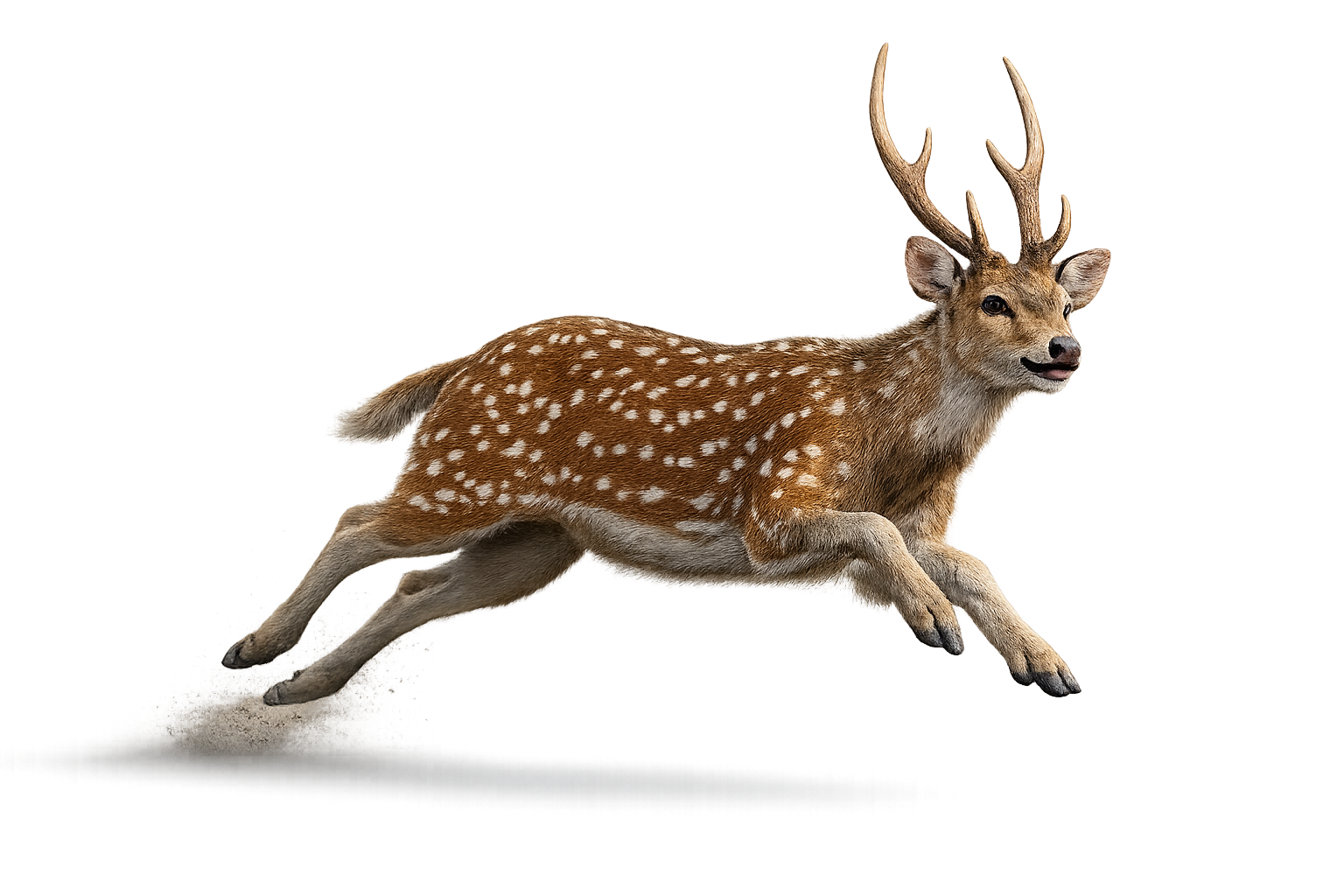
Quick Facts
Everything you need to know about Pench National Park at a glance.
768.30 sq. km Buffer Zone
300+ Bird Species
37 Reptile Species
1200+ Plant Species
History of Pench National Park
The story of Pench National Park is not just the story of a forest. It is the tale of a land so wild, so ancient and so full of life that it seems to have grabbed the imagination of one of the greatest storytellers the world has ever known and it still manages to capture the hearts of every visitor who steps through its gates, even today. From a dense tribal woodland to a formally declared wildlife sanctuary, from a national park to one of India’s most celebrated tiger reserves, the whole journey of Pench Tiger Reserve is pretty much one of the most powerful and inspiring conservation narratives this country has ever put forward. Every year that passed added a new chapter to this extraordinary story.
The Forest That Existed Long Before the Park
The history of the Pench forest goes back to many centuries before anyone even thought of drawing boundaries around it. The thick teak forests spreading across the Seoni and Chhindwara districts were a sort of living breathing part of the wider Satpura hill ecosystem, home for tribal communities like the Gonds and Baigas who had lived in quiet accord with the forest and its wildlife for countless generations. They knew every single tree , every seasonal little stream, and also every animal track inside what we today call the Pench Tiger Reserve. Long before it became a safeguarded area, the forest was already bustling, with tigers, leopards, gaur, wild dogs , and hundreds of bird species, so the Pench River valley became one of the richest wildlife corridors across central India.
Rudyard Kipling and the Forest That Inspired a Legend
In the late 1800s , a British author, Rudyard Kipling, was living and working in India , and he’d heard more or less detailed stories about the jungles in the Seoni district. He listened to tales , of tigers that supposedly ruled the teak forest, wolves that were said to have raised a human child and a great river that moved quietly through the hills. He drew, pretty much straight from these real stories and from the actual scenery of this region, and in 1894 he wrote The Jungle Book , making characters like Mowgli, Bagheera, Baloo, and Shere Khan, and well the whole world fell in love with them, as if they were unforgettable from the start. Most historians agree that the Seoni forests of Pench were the strongest inspiration behind The Jungle Book, so this forest is called Mowgli Land even today, proudly.
The First Step Towards Protection — Declared a Wildlife Sanctuary
By the mid twentieth century, the forests of Pench had already been under serious pressure from deforestation, expanding agriculture and illegal hunting, and urgent action was needed, to protect what remained of this extraordinary ecosystem. In 1977, the Government of Madhya Pradesh took its first formal and decisive step by declaring the Pench area a Wildlife Sanctuary, covering a total area of 757.85 sq km . This was a critical and historic moment , because it gave the forest its first real legal protection , and it put strict restrictions on human activities that had been steadily damaging the natural habitat of tigers, leopards, gaur, and hundreds of other species. The sanctuary declaration was the start of a long journey that would later turn Pench into one of India’s most important tiger conservation landscapes, really.
Pench National Park Is Born
Six years after going into being a wildlife sanctuary, the forest took it next big and kinda defining step forward. In 1983 the core patch of Pench was formally upgraded and announced as a National Park by the Government of Madhya Pradesh. It covered about 292.857 sq km, spread over the Seoni and Chhindwara districts. After that, around 118.473 sq km carried on as sanctuary land, and 38.062 sq km was set out from the protected boundary. It was really a landmark point in the conservation story of central India. At this stage, for the first time in its life, Pench had full national park status, which came along with tighter legal protection. There was also dedicated government support, plus a lot more focus from wildlife researchers, conservation people, and nature lovers from all over the country—and beyond the world too.
The 19th Tiger Reserve of India Under Project Tiger
Nine years after becoming a national park, Pench achieved its most important and celebrated milestone yet. In 1992, Pench was officially brought under Project Tiger, the Government of India’s flagship tiger conservation programme, and it was declared an official Tiger Reserve, proudly becoming the 19th tiger reserve in India. At the same time, this was one of those truly transformative moments for the whole forest ecosystem, because the Project Tiger status brought more dedicated resources, stronger anti-poaching measures, professional wildlife management and national level attention that the forest really needed to guard and help its tiger population grow in a steady way. With this powerful declaration, Pench Tiger Reserve slipped into the most important list of tiger habitats in the country, and it also started a brand new chapter of more structured, science guided and deeply committed conservation work.
Management Transferred to Tiger Reserve Authorities
In 1995 , there was this important step,kind of much needed too,when the management of the Pench sanctuary region was formally shifted to the Pench Tiger Reserve authorities. This was an important step as it unified the entire landscape within one coordinated conservation framework, so planning could become more smooth , patrolling stronger , wildlife monitoring sharper, and habitat management more effective across both the national park core and the nearby sanctuary zones. With one management body in charge, decisions could happen quicker, resources could be used in a better way, and there was a far more steady approach toward safeguarding the entire Pench ecosystem . Rather than managing different sections separately with different teams and different priorities, the entire forest could now be looked after as one connected and protected landscape.
Official Notification by the Madhya Pradesh Forest Department
In 1998 , the Pench Sanctuary got its last and probably most important legal recognition, when it was officially notified by the Madhya Pradesh Forest Department, kind of finishing a crucial part of the long administrative path of the reserve. That notice was a big legal milestone because it gave the sanctuary area the same solid degree of formal government support and legal cover that the national park core zone already had. With this in place, every section of the Pench landscape now had clear , written and legally binding protection under the law, so it became a lot harder for improper acts like poaching, land grabbing, and unauthorised tree cutting to happen anywhere inside or near the reserve limits from that point onward.
Renamed Indira Priyadarshini Pench National Park and Pench Mowgli Sanctuary
In 2002, the national park was officially sort of renamed as Indira Priyadarshini Pench National Park, in honour of former Prime Minister Indira Gandhi who had played a strong and enduring role in strengthening wildlife-protection laws across India during her years in office. At the same time, and I guess also in a suitably fitting way, the sanctuary section got renamed Pench Mowgli Sanctuary, which feels like a heartfelt nod to the remarkable literary legacy of this forest, and to its clear, much admired link with Rudyard Kipling’s The Jungle Book. That two part renaming gave both parts of the reserve a fresh identity, and it does so in a way that really balances conservation history with cultural heritage, almost evenly. Now, both names are used proudly, and they are instantly recognized by wildlife lovers, travellers and conservation supporters from across India, and beyond, around the world.
Final Official Notification of the National Park
In 2005, the Madhya Pradesh Government issued the final official notification for Pench National Park, successfully completing all the legal formalities and administrative processes that had been carefully progressing since the original declaration way back in 1983. This important step concluded more than two full decades of steady legal groundwork and gave the national park its completely secure, fully documented and permanently protected status under Indian law. With the final notification properly in place, Pench National Park stood fully and firmly established in every legal and administrative sense, with clearly defined boundaries, well-documented management responsibilities and the strongest possible level of government protection that a natural area in India can receive. It was the formal completion of a journey that began nearly thirty years earlier.
Core Zone of Pench Tiger Reserve Officially Declared
In 2007, both the National Park and the Sanctuary areas of Pench were officially and formally declared as the Core Zone of Pench Tiger Reserve, marking a very significant step in the structured and long-term conservation planning of this important forest landscape. The core zone declaration placed the most critical and wildlife-rich areas of the entire forest under the absolute highest level of protection available under Indian wildlife law. Inside a declared core zone, all human activities are strictly controlled, tourism is carefully and responsibly regulated, and the complete priority is always the undisturbed movement, natural breeding and long-term survival of all wildlife, especially tigers. This powerful declaration significantly strengthened the entire conservation framework of Pench Tiger Reserve and helped build the foundation for the healthy, growing tiger population that the park is celebrated for today.
The Buffer Zone Is Officially Notified
In 2010, the Buffer Zone of Pench Tiger Reserve was officially notified by the government, completing the full and final territorial structure of the entire reserve as it exists and functions today. The buffer zone of 768.30 sq km surrounds the core zone and serves as a vital transition area between the fully protected forest interior and the human-inhabited landscape that lies beyond the reserve boundaries. It allows for carefully managed eco-tourism, regulated and sustainable forest use, and important community-based conservation activities that give local people a meaningful and active role in protecting the forest while also benefiting fairly from it. The official notification of the buffer zone gave Pench Tiger Reserve its complete and final geographic identity, with a total protected landscape of 1,920.85 sq km covering some of the most ecologically valuable forest in central India.
Karmajhiri Wildlife Sanctuary Added to Strengthen Conservation
In the most recent and exciting major development in the entire conservation history of Pench, the Karmajhiri Wildlife Sanctuary, covering a significant area of 1,410.420 sq km, was formally added to the Pench Tiger Reserve landscape in 2022. This important addition was a strong and forward-thinking step in expanding the protected corridor and giving wildlife, especially tigers and leopards, more connected and safe forest land to move through freely without the risk of human conflict or habitat fragmentation. It also clearly demonstrated that the commitment to protecting, expanding and strengthening the Pench ecosystem remains as active, passionate and determined today as it was when the very first steps were taken back in 1977. With every passing year and every new development, Pench Tiger Reserve continues to grow in size, in wildlife population and in its importance as one of the most vital and thriving natural landscapes in all of India.
Type of Safari in Pench National Park
Choose your perfect way of exploring the wild heart of Pench Tiger Reserve.
Explore Safari Zones In Pench National Park
Pench National Park has multiple safari zones, each with its own forest landscape, wildlife trails and unique sighting experience, giving every visitor a different side of the same wild forest.
Turia Zone
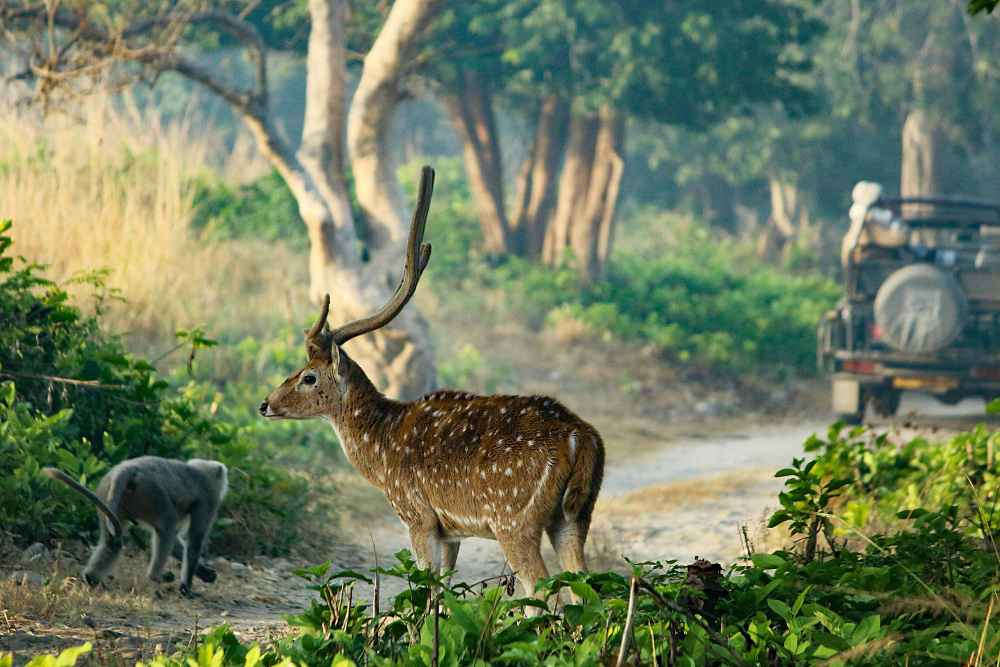
Turia Zone is the most famous and most visited safari zone in Pench National Park, and the top choice for any visitor planning a Pench jungle safari. Sitting right on the Madhya Pradesh and Maharashtra border, Turia Gate is closest to NH44 and is easily accessible from Nagpur in around 2 hours. The forest here is a rich mix of teak, acacia, scrublands and small streams that attract wildlife all through the day. Famous wildlife spots like Baginnalla waterhole, Junewani, Joda Munara, Pyorthadi and the highest point of Pench, Kala Pahad, all fall inside this zone. Tigers, leopards and chital are spotted here regularly.
Karmajhiri Zone
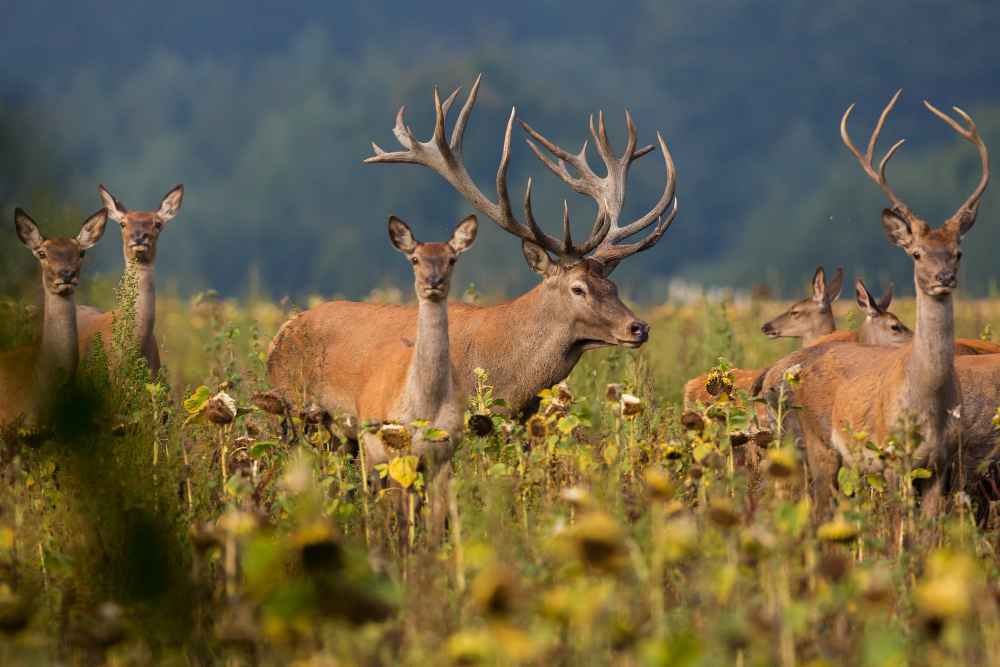
Karmajhiri Zone gives visitors this kind of quieter, and more raw Pench safari experience with fewer vehicles on the trail, compared to the crowded Turia zone. The dense teak forest, sort of keeps to itself, hides the well-known Ghursalghat waterhole, one of the most dependable places for tiger and leopard sightings, across the entire Pench Tiger Reserve. Karmajhiri is also quite famous for black panther sightings around the Jhandimatta area, which draws in wildlife photographers from all over the country. The Runijhuni trail walk starting from Karmajhiri Gate is a rare opportunity to explore the Pench forest on foot alongside a trained naturalist. A total of 16 jeeps are allowed per shift here.
Jamtara Zone
Jamtara Zone is the most unexplored and least crowded core zone of Pench National Park, located in Jamtara Village in the Chhindwara district of Madhya Pradesh. The forest here is a stunning mix of teak, bamboo, banyan trees, shindoori and camel foot climbers that create thick and varied vegetation throughout the zone. Sloth bears are the signature sighting of Jamtara, along with Indian wild dogs, barking deer and occasional tiger movements crossing through the area. From the Chendia Ghat crossing when the river is dry, visitors can reach the popular Alikatta breakfast point. Jamtara is currently accessible through the Karmajhiri gate.
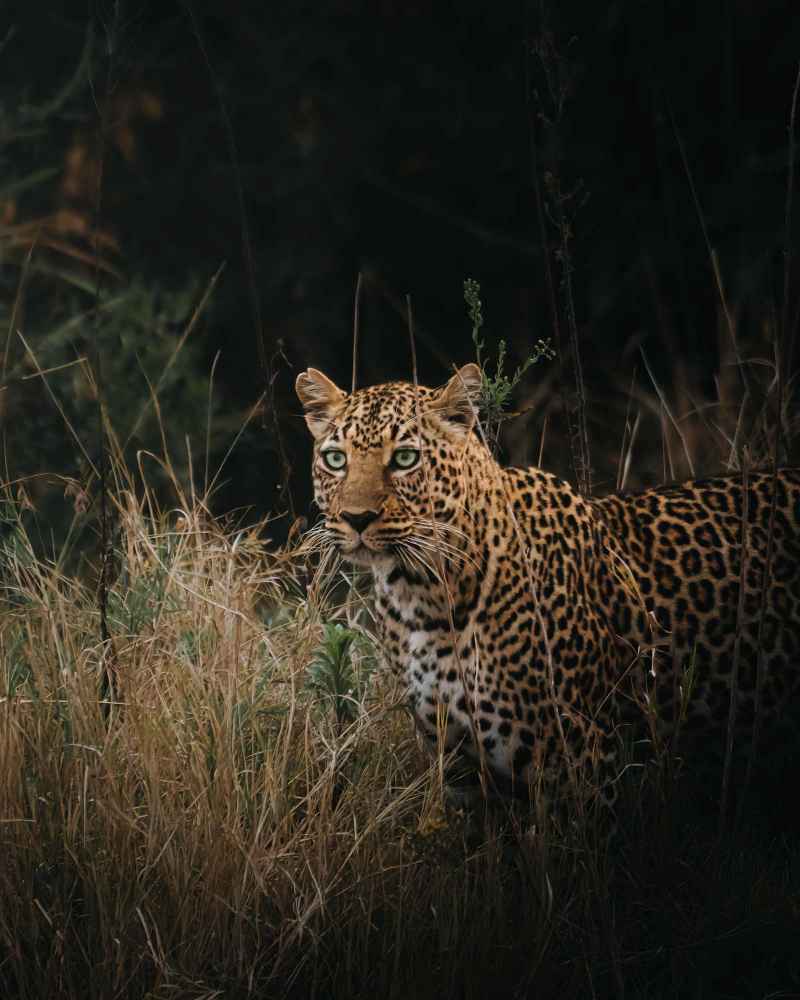
Khawasa Zone
Khawasa Zone, widely known as the Wolf Sanctuary of Pench, is the most exciting buffer zone in Pench National Park. Sitting very close to the Turia Gate, this open wooded forest is the natural home of Indian wolves, foxes, striped hyenas, Indian porcupines and nocturnal owls that are impossible to see during a regular core zone daytime safari. The Pench night safari in Khawasa runs through open forest trails with a spotlight after dark, revealing a thrilling and completely different side of Pench Tiger Reserve. Leopards are also seen here during regular day safaris. Resorts near Turia can easily arrange both day and night safaris in Khawasa.

Khumbpani Zone
Khumbpani Zone is a buffer zone of Pench Tiger Reserve characterised by rugged and rocky terrain covered with dense shrubland vegetation, making it one of the best natural habitats for leopards in the entire reserve. The rock formations scattered across this zone provide perfect hiding and resting spots for leopards, and sightings here are quite regular for those patient enough to wait and watch quietly. The Runijhuni waterhole inside Khumbpani is also known for occasional sightings of the dominant tigress who moves through this area.
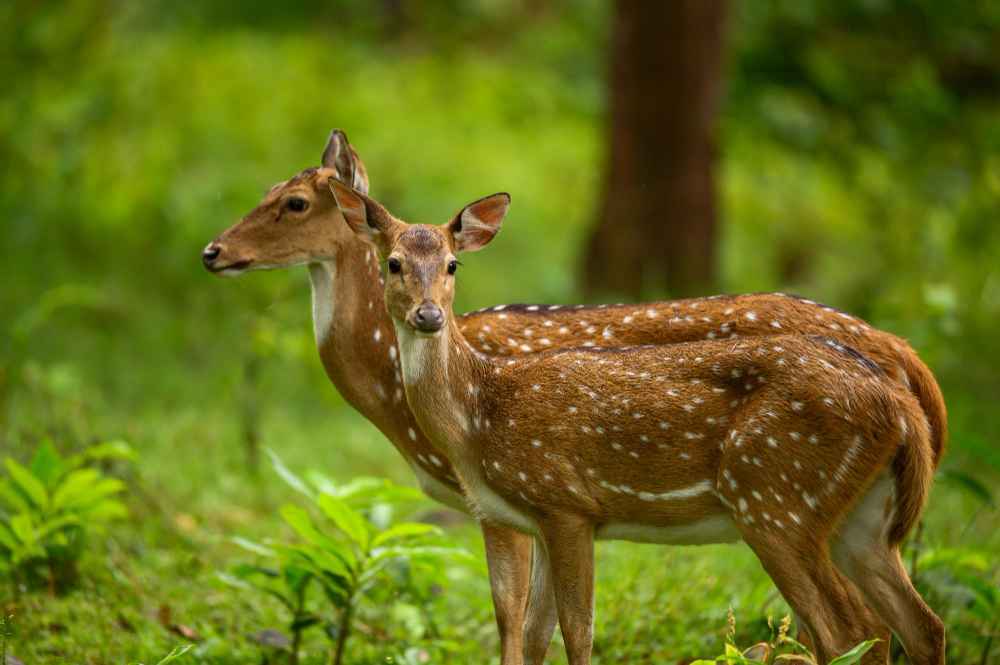
Masurnala Zone
Masurnala Zone is a newly opened buffer zone of Pench National Park that is quickly gaining a strong reputation for excellent leopard sightings among regular Pench safari visitors. An extension of the Rukhad buffer area, Masurnala has a beautifully hilly landscape covered with dense bamboo vegetation and rocky patches that are naturally perfect for leopards. The broken forest floor and rocky terrain create ideal conditions for close and exciting wildlife sightings from the safari gypsy. Rare and shy species like barking deer and chousingha are also spotted here regularly. Since this zone is newly opened, it stays uncrowded and gives visitors a peaceful and unhurried safari experience.
Rukhad Zone
Rukhad Zone is a hilly and naturally moist buffer zone of Pench Tiger Reserve, best accessed from the Karmajhiri Gate side. Dotted with flowing streams, dense bamboo patches, jamun and arjun trees, this zone stays visually green and rich throughout the safari season. Its greatest ecological value is its role as a strategic tiger corridor connecting Pench and Kanha Tiger Reserves, meaning tigers, leopards and gaur move through regularly. Tigress sightings including the famous Kingfisher female and Kuraigad male are reported frequently by visitors. Rukhad uniquely offers a cycling safari through the buffer forest, making it one of the most activity-rich zones in Pench.
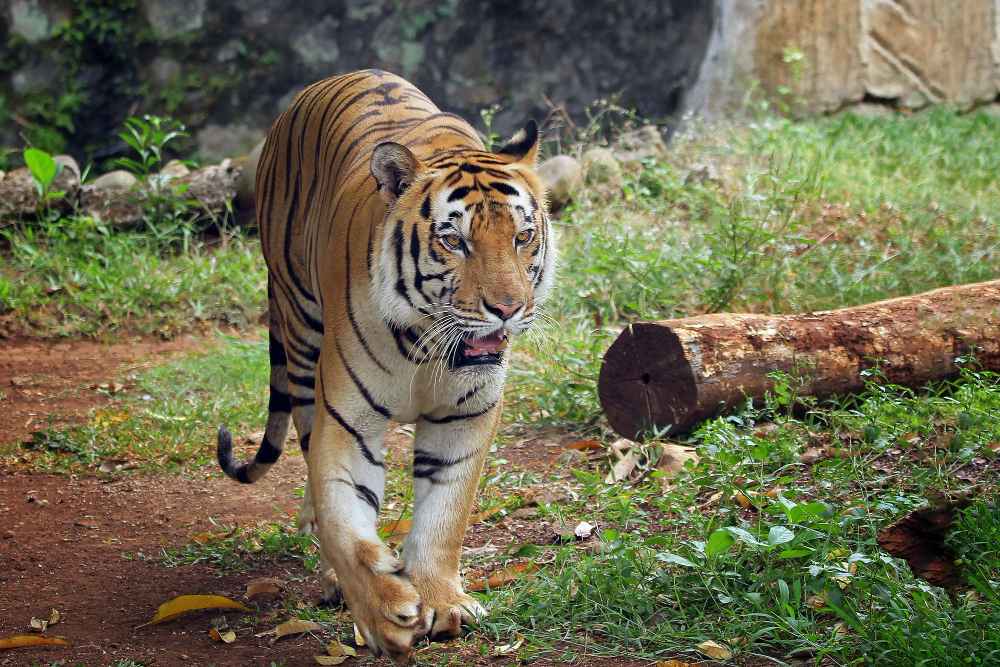
Teliya Zone
Teliya Zone is one of the newest buffer zones of Pench Tiger Reserve and has already built a strong reputation as the best zone in Pench for leopard and black panther sightings. Located just 4 km from Turia Gate and 11 km from the Khawasa buffer gate near Teliya Village, this zone is very easy to reach from most resorts near Pench. Regular wildlife sightings include the Indian leopard, the rare and stunning black panther, barking deer, chousingha, nilgai, chital, sambar and Indian wolves from the nearby Wolf Sanctuary. Waterholes inside Teliya also attract diverse bird species, making it popular with Pench birdwatching enthusiasts visiting the reserve.
Kolitmara Zone
Kolitmara Zone is one of the most unique safari zones on the Maharashtra side of Pench Tiger Reserve, situated approximately 70 to 80 km from Nagpur along the western bank of the Pench River. What sets Kolitmara apart from every other zone in Pench is that it is the only zone offering a boat safari on the Pench Reservoir, giving visitors stunning river views alongside the regular jungle safari experience. The forest inside Kolitmara is denser and thicker than Sillari and Khursapar zones, with rich backwater birdlife attracting osprey, fishing eagles and water birds. Tigers, leopards, gaur and deer are also spotted regularly during jeep safaris here.
Khubala Zone
Khubala Zone, also known as Saleghat Zone, is located approximately 80 km from Nagpur on the Maharashtra side of Pench Tiger Reserve and is part of the Mansinghdeo Wildlife Sanctuary area. This zone is well known among wildlife lovers for its tranquil and unhurried atmosphere, making it a favourite choice for nature enthusiasts and families looking for a peaceful Pench jungle safari away from the larger and busier core zones. The forest here is a scenic mix of teak and open woodland, with rising tiger sightings being increasingly reported by recent visitors. Sloth bears, leopards, deer species and a good variety of forest birds are also commonly seen during safaris.
Sillari Zone
Sillari Gate is the most well known and most visited entry point on the Maharashtra side of Pench Tiger Reserve, located around 26 km from Khawasa and approximately 80 km from Nagpur on NH44. The forest here has a noticeably distinct character from the Madhya Pradesh zones, with dense bamboo, thick teak, grassy patches, rocky terrain, multiple natural waterfalls and freshwater streams that create exceptionally rich and diverse wildlife habitat throughout the year. Sillari is most celebrated for Indian wild dog sightings, with packs frequently spotted hunting through the bamboo and teak forest. Sloth bears and tigers are also regularly seen, and the scenic Totladoh Dam on the Pench River is visible from inside this zone.
Chorbahuli Zone
Chorbahuli Zone is a core safari zone on the Maharashtra side of Pench Tiger Reserve, located approximately 52 to 65 km from Nagpur and offering a quieter and more peaceful Pench jungle safari experience compared to the busier Sillari zone. This zone is particularly well known for big cat sightings including tigers and leopards, and it holds the special distinction of being one of the best zones in all of Pench Maharashtra for spotting the rare four-horned antelope, also called chousingha. The tall teak and sal forest corridors inside Chorbahuli create beautiful morning light conditions that make it a favourite zone for wildlife photographers. A total of 28 gypsy vehicles are allowed per day inside this zone.
Khursapar Zone
Khursapar Zone is, more or less, the most celebrated safari zone on the Maharashtra side of Pench Tiger Reserve. It sits around 12 km from Khawasa, and about 30 km from Turia Gate so, it becomes pretty simple to reach from both states. People pretty much widely agree it is the best zone on the Maharashtra side for diverse, actually exciting wildlife encounters during one Pench safari. The area has a large and well established prey base too, and that sort of quietly pulls predators into spots where they are easier to see.
Inside Khursapar, places like Bandra Talab and Chitgohta give repeat sightings, including tigers, Indian gaur, chousingha, chinkara and chital. You also get tiger and leopard observations with strong regularity, so Khursapar ends up being a top alternative to Turia, if you want a really high quality Pench tiger safari.
Surewani Zone
Surewani Zone is kind of the main buffer area on the Maharashtra side of Pench Tiger Reserve, and its roughly 54 to 60 km away from Nagpur, in the Nagalwadi range. It's a densely wooded zone, so you get a pretty solid gathering of wildlife there—tigers, leopards, wild dogs, chital, sambar, wild boar and sloth bears, plus there are also a lot of bird species around. So for birdwatchers , every safari feels rewarding, because you never know what you might spot. What makes Surewani especially worth it is that it stays open for tourism during the monsoon period too, while the core zones on both the Madhya Pradesh and Maharashtra sides are closed. This way visitors can still step into the wet, lush green forest of Pench Tiger Reserve during the rainy season, instead of missing it completely.
Pench Forest Rest House
Karmajhiri Forest Rest House
Karmajhiri Forest Rest House is right by the northern gate of Pench Tiger Reserve, it's a British-era kind of property that has been around for more than a century. It was put up in 1907, right next to the entry, so the whole staying part feels unusually handy, and there s a canteen operated by the Forest Department in the nearby area too. The terracotta roof tiles and those thick walls plus the tall ceilings, really give the place that colonial-style look, kind of an old world vibe you rarely see in today's places to stay.
Since it is tucked well inside the reserve, it tends to suit travelers who want quiet, close encounters with wildlife, and a genuinely natural forest immersion, not the bright resort-type luxury. It's the primary accommodation option near the Karmajhiri zone, ideal for guests doing evening safaris, since morning safaris require staying close by. Bookings must be made through the Pench Tiger Reserve Field Director's office in advance, as private resorts near this gate are limited.
Ghatkohka Forest Rest House
Ghatkohka Forest Rest House is basically one of the official Forest Department stays inside Pench Tiger Reserve, placed on the road that goes from Nagpur to Karmajhiri, through Suktara and Badalpar. It's kind of smaller, you know, more close-knit than most of the other reserve guest houses, so there are only a few rooms, and the whole vibe is calmer, slightly hidden away too. Tucked right amid dense forest, it fits travelers who want quiet ambience and a tighter, more immediate connection to nature, rather than all kinds of big facilities. And like the other Forest Rest Houses here, you have to do advance booking through the Field Director Pench Tiger Reserve Seoni, there's no workaround. The stay usually includes simple, functional amenities not exactly resort-style comfort, so it's more practical than lavish. Overall it still stays a popular pick for wildlife lovers seeking an offbeat base that feels less commercial, for checking out the nearby buffer as well as the core forest zones.
Rukhad Forest Rest House
Rukhad (also spelled Rukkhad) Forest Rest House is situated near the Rukhad buffer zone of Pench Tiger Reserve, on the route between Seoni and Khawasa. Like most other older forest rest houses around here, it shows off a preserved, climate friendly colonial style, with thick walls and a layout that fits the region's extreme heat. The dining space, and the whole arrangement, has this quiet historic charm that makes you feel like you took a step back in time, for visitors. It's surrounded by mixed forest, and since it's close to the Rukhad buffer safari zone, it works well for travelers who want wildlife drives along with a calm, rustic pause. Bookings are handled centrally through the Pench Tiger Reserve Field Director's office, and the place itself feels like a straightforward, nature immersed alternative to the private retreats clustered near the more popular Turia gate.
Best Time to Visit Pench National Park
Pench National Park welcomes visitors for most of the year, with the core zones closing during peak monsoon. The right season to visit depends entirely on what kind of wildlife experience you are looking for.
Flora and Fauna of Pench National Park
From ancient teak forests and medicinal herbs to royal tigers and rare birds, Pench National Park holds one of the richest and most diverse collections of flora and fauna in all of central India.
Flora
Pench National Park’s forest is basically a tropical dry deciduous place, so the trees drop their leaves in summer, to conserve water and then burst back into green again when the monsoon comes. Here you can find about 1200 species of flowering plants, plus ferns, moss and fungi that quietly spread across the forest floor. Teak ends up dominating a lot of the scenery , yet it’s mixed with many other native species, and somehow that combo forms a dense, layered dwelling for all the wildlife that lives around here.
Grasses, shrubs and medicinal plants like ashwagandha, sarpagandha, shatavari and Indian gooseberry also grow across the buffer zones of Pench, making the forest important not just for wildlife but also for tribal communities who have used these plants as natural remedies for generations.
Fauna
The wildlife of Pench National Park is truly extraordinary. The park supports around 128 tigers, 39 species of mammals, 325 species of birds, 37 species of reptiles, 50 species of freshwater fish and one of the highest herbivore densities among tiger reserves in all of India.
Mugger Crocodile, Indian Rock Python, Indian Cobra, Indian Krait, Monitor Lizard and multiple species of Freshwater Turtles are found near the Pench River and Totladoh Reservoir.
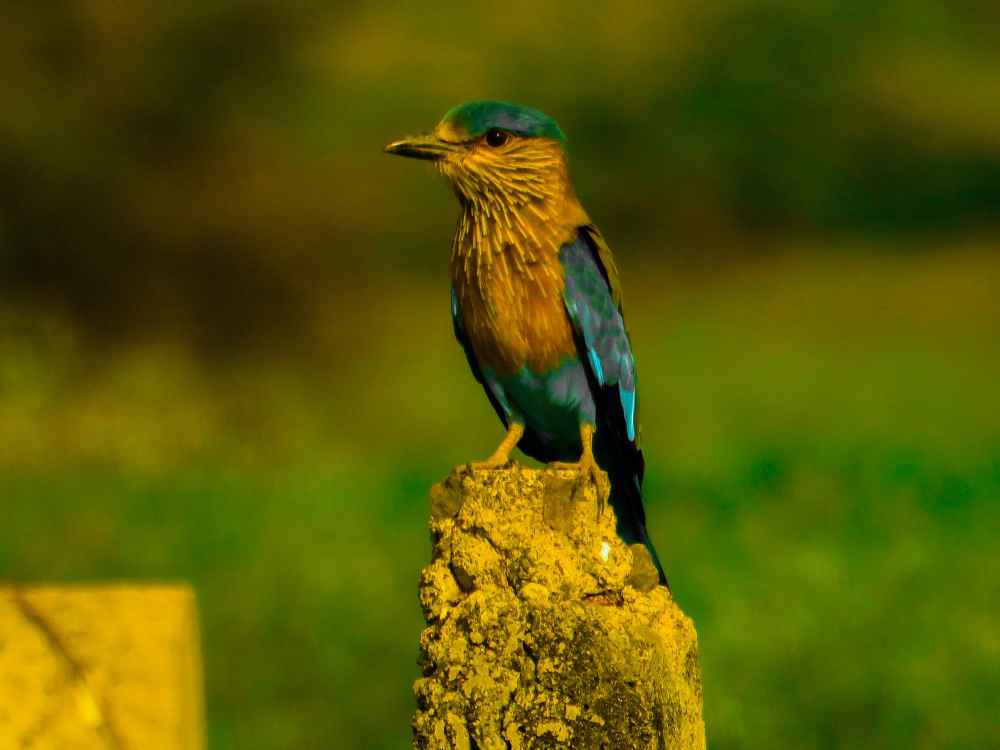
In Pench National Park more than 325 bird species have been seen, with highlights like the Indian Pitta, Malabar Pied Hornbill, Osprey, Grey headed Fishing Eagle, Crested Serpent Eagle, Indian Roller, Racket tailed Drongo, and also six types of endangered vultures. In the winter season, thousands of migratory water birds, like pintail duck, brahminy duck, bar-headed geese and coots, come over to the Totladoh Reservoir. So Pench feels like one of the best places for bird watchers in central India, especially then.
Pench also holds 105 species of butterflies, 100 species of moths, 35 species of dragonflies and over 250 species of other insects, making it a complete wildlife destination from the largest tiger to the smallest butterfly.
How to Reach Pench National Park
Pench National Park is well connected by air, rail and road, making it easy to reach from major cities like Nagpur, Jabalpur and Bhopal across central India.
By Air · Fly In
Flying into Nagpur is honestly the easiest, and also the most suggested way to reach Pench National Park, especially if you are arriving from Delhi, Mumbai, Hyderabad or Bengaluru, you know. The Dr. Babasaheb Ambedkar International Airport in Nagpur is the closest airport to Pench, placed roughly 90 to 130 km from Turia Gate, depending on which safari area you’re going toward. Since it’s a well-linked international airport , Nagpur gives you the broadest choice of flights from both local and overseas places. After you land, private taxis or resort arranged transfers will take you to the park gates in about 2 to 3 hours, via the Nagpur–Jabalpur Highway. Jabalpur Airport is like the second pick for domestic travelers, it sits around 190 km from Pench, but the flight service there feels a bit more restricted as compared to Nagpur.
Distance from Turia Gate: Approximately 90 to 130 km · Around 2 to 3 hours by road
Best For: Visitors from Delhi, Mumbai, Hyderabad, Bengaluru and international travellers
By Train · Rail Route
Getting to Pench National Park by train is a practical and cost effective way, most of the time, even more so if you’re coming from places that are well linked to the central Indian rail system. Nagpur Railway Station is usually the most convenient railhead for Pench, and it’s roughly 90 to 145 km from the park, depending on which entry gate you end up using. Nagpur also has regular services from Delhi, Mumbai, Kolkata, Chennai, Hyderabad and Pune, so it’s often the go to choice for a lot of visitors.
Seoni Railway Station is nearer, about 30 to 72 km from Pench, though the train timings can be quite sparse. Then there’s Jabalpur Railway Station at around 185 to 205 km away, which tends to suit travelers who are coming from northern India. From all three railheads, private taxis are generally easy to find, so onward travel isn’t a big issue.
Best Connected Station: Nagpur Railway Station · 90 to 145 km from Pench
Best For: Budget travellers and visitors from major Indian cities on the central rail network
By Road · Drive In
Pench National Park sits kind of right over the Nagpur-Jabalpur National Highway , so doing a road trip to Pench feels like one of the most direct and enjoyable drives across central India. From Nagpur, the drive to Turia Gate takes about 2 hours and covers roughly 90 to 130 km over decent highway lanes plus forest roads, pretty smooth overall. For Karmajhiri Gate, the route typically goes via Suktara , around 160 km and a 3 to 4 hours kind of journey from Nagpur. From Jabalpur, you’re looking at about 168 km in 2 to 3 hours, following the same main highway style road.
There are hourly bus services from Nagpur to Khawasa , which is just 12 km from Turia Gate, and that makes the whole plan quite easy and affordable for lone travellers heading to Pench Tiger Reserve.
From Jabalpur to Pench: Approximately 168 km
From Bhopal to Pench: Approximately 340 km
Nearest Bus Stand: Khawasa · 12 km from Turia Gate
Route Chart
Distance guide from major cities to Pench National Park.
Do's and Don'ts
Important guidelines to follow during your visit to Pench National Park.
✓ Do's Inside the Park
✕ Don'ts Inside the Park
Frequently Asked Questions
Essential information about location, safari zones, wildlife, and travel details for Pench National Park.
Plan Your Pench Safari & Attractions Tour
Let us craft the perfect Pench itinerary — combining thrilling wildlife safaris with scenic nature trails, the famous Mowgli Land, the Pench River, Totladoh Reservoir, and unforgettable experiences around Pench National Park.