Kanha National Park — India's Premier Tiger Reserve in Madhya Pradesh
Kanha National Park, which sits in the Maikal range of the Satpura hills, Madhya Pradesh, is one of India’s largest and also among the more carefully managed tiger reserves. It covers about 940 sq km of core habitat, plus a buffer zone that pushes the whole reserve well past 2,000 square kilometers, so it feels bigger than maps usually suggest. Kanha is often said to be the very sort of spark behind Rudyard Kipling’s “The Jungle Book,” maybe not in a literal way, but in the spirit of it. Inside, the sal and bamboo forests, mixed with wide, open grasslands and meadows create this bold patchwork scenery that backs an unusually broad collection of wildlife and other living things.
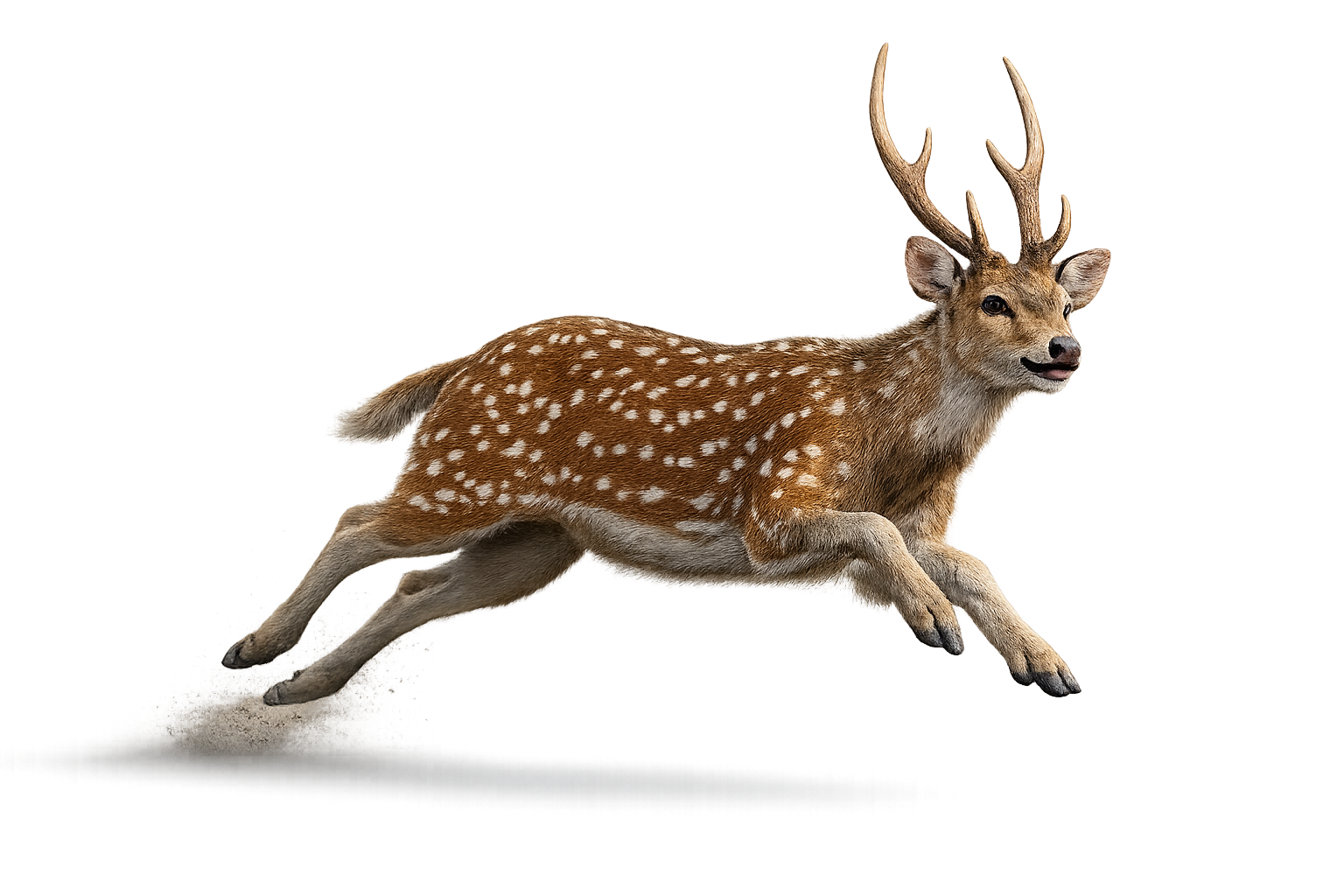
Kanha Tiger Reserve is probably the most famous for its successful conservation of the Royal Bengal Tiger, so it ends up being one of those top places for a Kanha tiger safari in India. But honestly it is not just about tigers, the park is also the final natural home of the rare and threatened hard-ground barasingha (the swamp deer) , a kind of animal that has been brought back from the edge of extinction thanks to focused conservation work carried out here. If you go for a Kanha jungle safari you can also come across leopards, Indian gaur, wild dogs, (dhole) , sloth bears, and over 300 species of birds, which makes the whole experience pretty great for wildlife photography and birdwatching across Madhya Pradesh.
The park is split into multiple safari zones, like Kanha, Kisli, Mukki, and Sarhi, and each one brings a different kind of thrill for anyone planning a jungle safari booking, honestly it feels a bit like a mini world inside a world. The best time to visit Kanha National Park is usually between October and June, because the park is typically closed during monsoon season , so the ecosystem can do its own recovery and regeneration.
For travelers who want something truly genuine from Central India wildlife, Pairing a Kanha safari with nearby reserves like Bandhavgarh or Pench is a popular choice among nature enthusiasts and eco-tourism travelers alike.
Quick Facts
A snapshot of Kanha National Park's key details.
1,067 sq km Buffer Zone
300+ Bird Species
26 Reptile Species
800+ Plant Species
History of Kanha National Park
The story of Kanha National Park is a journey through time. It begins with the forest communities who called this land home and continues through decades of conservation efforts that turned Kanha into one of India's most successful and admired wildlife reserves.
The Tribal Roots — Pre-1860s
Long before conservation got formal and official, this place was already being lived in by the Gond and Baiga tribes in central India. The Gonds, from which the whole Gondwana region takes its name, had ruled and dwelled in these forests for generations, while the Baiga community kept using traditional shifting cultivation in a kind of careful balance with the thick sal and bamboo woodlands, not just something casual. Their deep, generations old know-how of the forest, and its wildlife too, laid down an almost unspoken foundation for the conservation work that came later, years and decades afterward, when people finally started organizing it more properly.
The First Forest Rules
In 1862, colonial forest administrators introduced some of the earliest regulations governing these woodlands, restricting the unchecked felling of valuable timber kinds like sal, teak, bija and shisham. It wasn’t wildlife protection in the modern sense, but it sort of was the first organized attempt to bring order to how the forest’s resources are used.
Declared a Reserved Forest
By 1879, the forest tract was formally constituted as a reserved forest, and that basically gave the land legal standing for the first time— but, the primary reason didn’t really shift. It was still mainly about resource and timber management , not the preservation of tigers, deer, or other wildlife that roamed around inside it.
The Forest That Inspired a Classic
Around this time, the wild , untamed feel of these central Indian jungles is said to have caught the attention of a young Rudyard Kipling , later leading him to place it as a kind of backdrop in his enduring tale, The Jungle Book. That bookish link kept unfolding in a way that gave the region a wider world identity, long before it was properly turned into a formal sanctuary.
Banjar and Hallon Become Sanctuaries
In 1933, the Banjar Valley , spanning close to 250 sq. km, was officially declared a wildlife sanctuary, sort of the first dedicated protected area in the region. Then in 1935, just two years later, the neighboring Hallon Valley came next—around 300 sq. km—and it too got put under sanctuary status. Later on, these two protected pockets would become the core or the real heart of the national park.
A Difficult Decade
Despite sanctuary status, the 1940s proved a dark period. Hunting by royal families and local landowners continued largely unchecked, and tiger and barasingha numbers fell sharply. It became increasingly clear that piecemeal protection wasn't enough — something far more decisive was needed.
A National Park Is Born
On 1st June 1955, the Banjar and Hallon sanctuaries were unified and elevated into a single, legally protected entity: Kanha National Park. This made it one of independent India's earliest national parks, setting the stage for one of the country's most significant wildlife recovery stories.
Saving the Barasingha
By the mid-1960s, the hard-ground barasingha, a swamp deer subspecies found nowhere else on earth, had crashed to under 100 individuals. A dedicated breeding enclosure and habitat protection programme was launched, considered today as one of India's earliest successful single-species conservation efforts.
Brought Under Project Tiger
In 1973, Kanha became one of the original reserves brought in under Project Tiger, the Government of India’s flagship national initiative meant to protect the dwindling Royal Bengal Tiger population. That change effectively lifted Kanha from a state-protected park into a nationally prioritized tiger reserve, almost like it was suddenly under a brighter spotlight.
Villages Move, Wildlife Returns
During this stretch , a number of villages that had been sitting inside the core forest zone were gradually moved to places beyond the park boundary. As human disturbance eased, the tiger, gaur ,and barasingha populations started a slow, steady recovery back in their own natural habitat, it didn’t happen fast, but it did start to come back.
Conservation Education Begins
Environmental education and visitor awareness programmes, including interpretation centers, were introduced to help educate tourists and local communities about the park's ecology.
Steady Growth
Kanha strengthened its infrastructure, biodiversity management, and research initiatives, emerging as one of India's most well-organized tiger reserves.
A Model Reserve
Today, Kanha stands as one of India's largest and best-managed tiger reserves — home to a thriving tiger population, the world's only surviving population of hard-ground barasingha, and an enduring literary legacy as the inspiration behind The Jungle Book.
Types of Safari in Kanha National Park
Pick the safari style that suits your group and your sense of adventure in the Kanha wilderness.
Explore Safari Zones In Kanha National Park
Kanha Tiger Reserve is divided into several distinct safari zones, and each one gets entered through its own gate, so it feels kind of different in each stretch. Picking the right zone for your Kanha tiger safari can truly change what you see, what the scenery looks like, and how the whole trip turns out.
Kanha Zone
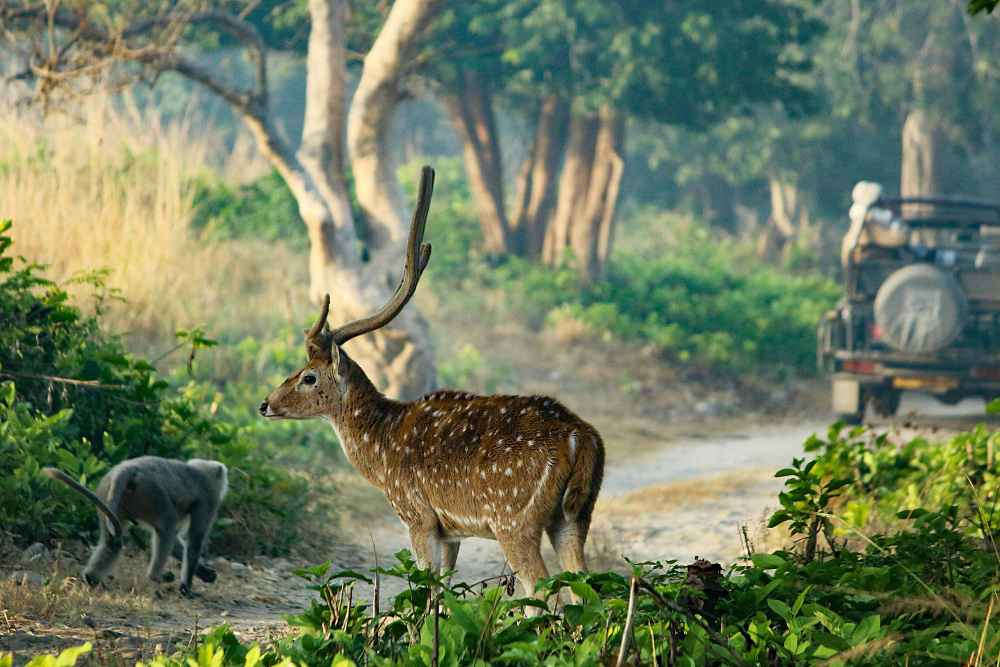
Kanha Zone is kinda the original core of the reserve, and honestly probably the most rounded one of all the zones, with a mix of sal forest, bamboo thickets, and those famous open meadows the park is known for. It has some of the most steady tiger sightings in the park, and it's also the place where you're most likely to see the rare hard-ground barasingha grazing around the grasslands at dawn. You'll notice landmarks like Kanha Meadow, and the museum near the entry gate, they give you this extra layer too for first time visitors.
Kisli Zone
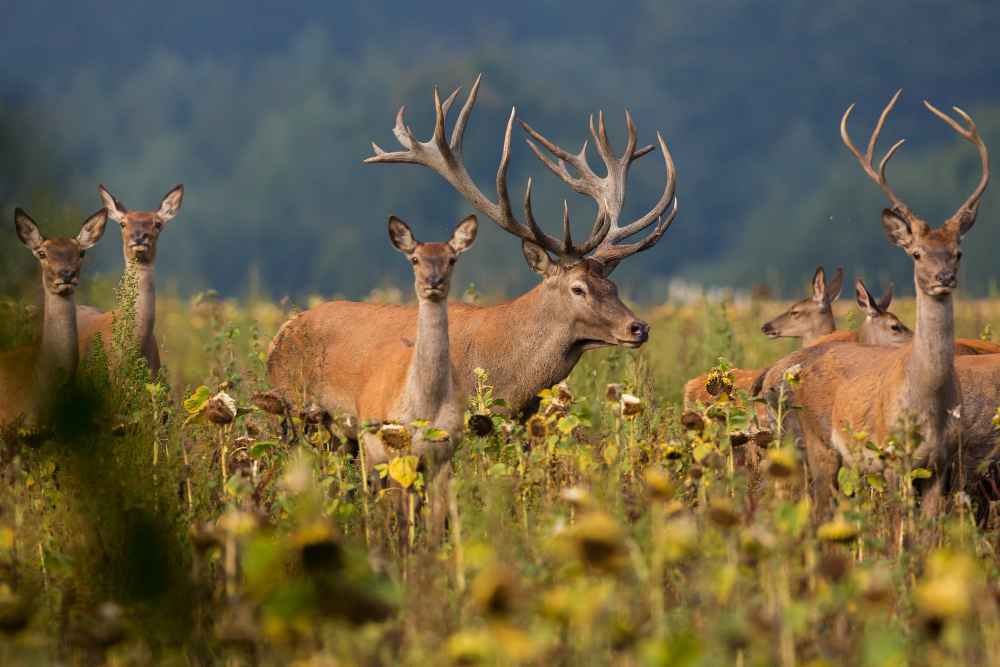
Kisli sits right beside the Kanha Zone and somehow shares a lot of its core-zone character too but, the forest cover here feels noticeably thicker. So it has this quieter, more enclosed kind of vibe, almost like you're moving inside a tucked away world. It is a dependable place for spotting gaur (Indian bison), sambar, and chital, and tiger movement through the zone is fairly steady as well, not too sporadic. Since it is one of the older established zones, the road network is well developed, which makes for a smoother safari drive overall.
Mukki Zone
Mukki is often viewed as one of the best zones in Kanha, for actual tiger sightings, mostly because it has this mix of dense forest shade and open grass pockets that the big cats seem to favor. It's a bit away from the main entry points so it usually pulls in less visitors than the more central areas, which can really help you, if you're after that uncrowded and kind of immersive Kanha tiger safari mood. Also, dhole wild dogs and leopards are reported here with pretty decent regularity, so it's not only about tigers, it feels like a wider watch.
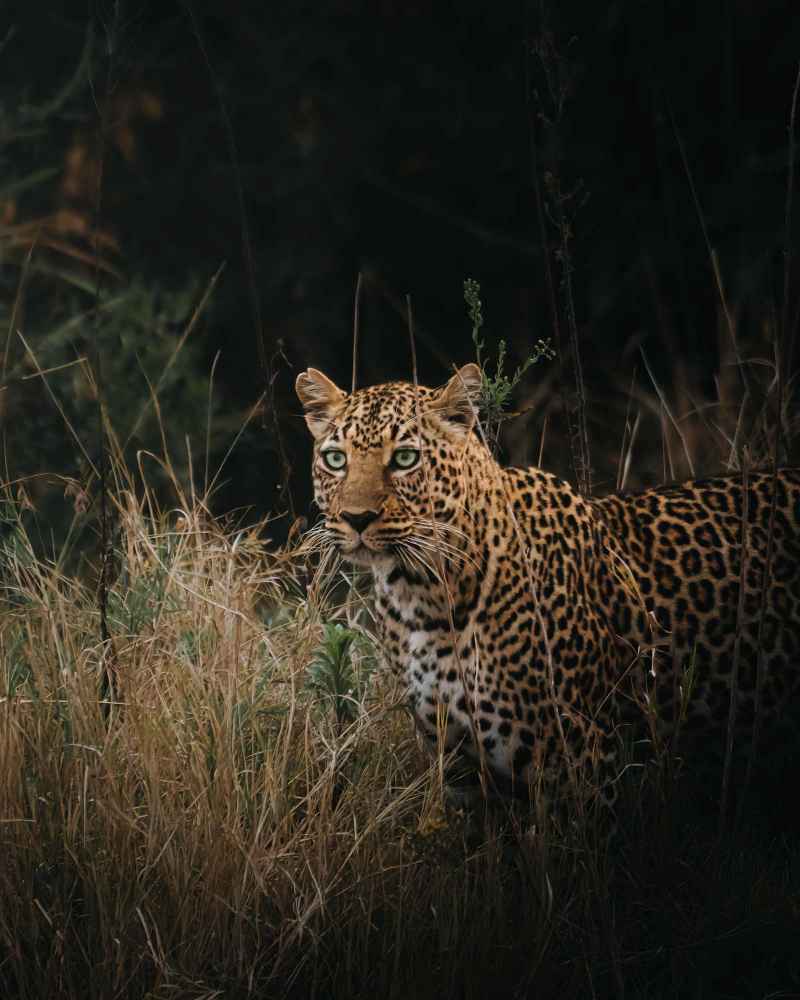
Sarhi Zone
Sarhi is one of the newer additions in Kanha's core safari circuit, and it's kinda known for being comparatively peaceful, with rolling land and a solid spread of water pockets that pull in wildlife across the day. While tiger sightings here are a little less predictable than in Kanha or Mukki zones, the whole scenery, and the birdlife really makes it a rewarding pick for travelers who prefer a slower paced, nature centered safari.
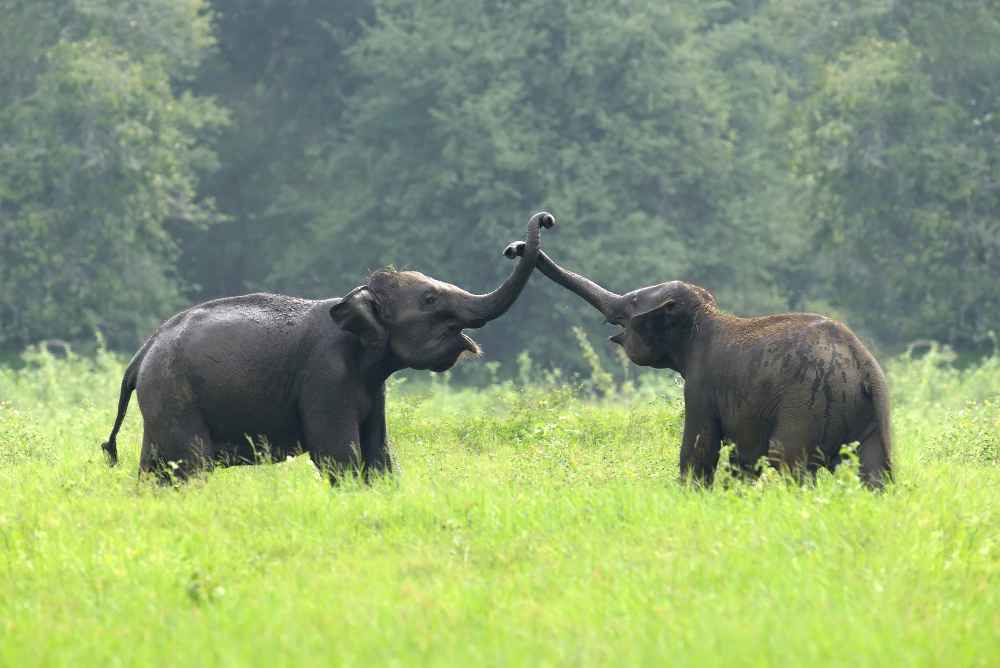
Khatia Zone
Khatia is the most commonly used buffer-zone gate and serves as the entry point for many visitors heading toward the core zones. This buffer forest here kind of has its own charm, with regular sightings of chital, langur, and various bird species, and it's also a pretty good base for people trying to mesh a Kanha buffer zone safari with nearby village life and tribal culture moments.
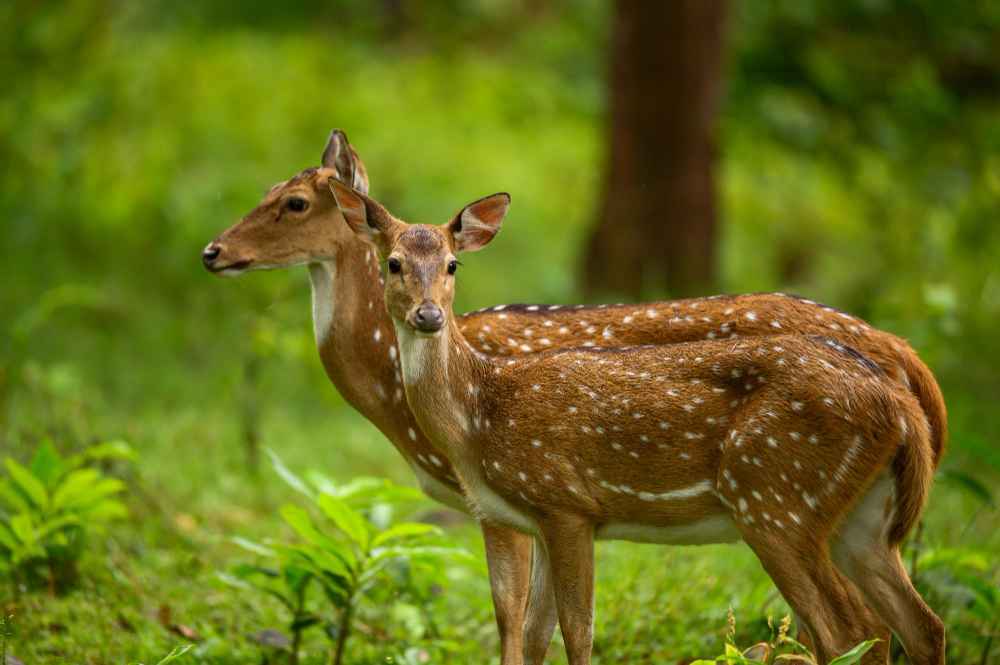
Phen Zone
Phen Zone follows the Phen river valley and offers a noticeably different landscape from the core zones, with riverine forest and rocky outcrops adding variety to the drive. It's a good option for visitors interested in a more offbeat, less touristy Kanha safari zone, with decent chances of spotting leopards and a wide range of resident and migratory birds.
Sijhora Zone
Sijhora is one of lesser explored buffer zones of Kanha Tiger Reserve, sort of ideal for travelers who specifically want to sidestep crowded safari routes. In these places, big cat sightings do happen, but they're not as common as in the core zones. Still, the regions are steadily getting more attention for everyday wildlife viewing, calm forest drives, and a more authentic, undisturbed jungle vibe overall.
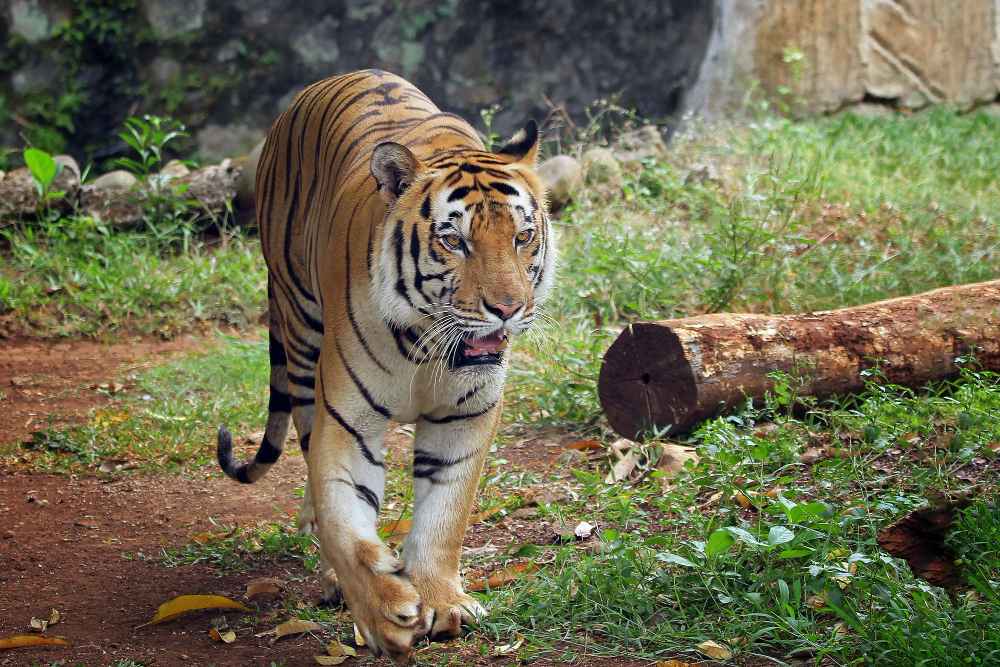
Khapa Zone
Khapa is one of the quieter buffer zones of Kanha National Park, kind of sitting along the forest fringe, and seeing far less safari traffic than the core zones. The land itself is a mix of mixed deciduous forest and scattered clearings. So, it turns into a decent spot for seeing chital, wild boar, and a bunch of resident birds. Tiger sightings are a bit more rare here, but that's exactly why some travelers are drawn in— for a calm, low-crowd Kanha safari experience, away from the more crowded zones, plus, the chance to get a feel for everyday buffer-zone forest life and also a bit of nearby village interactions.
Kanha Forest Rest House
For travelers who want to experience Kanha National Park in a way that goes past only a quick day safari, staying at a government-run forest rest house inside or near the reserve can feel like a genuinely rewarding choice. And honestly, unlike those private resorts that sit along highway edges, far from the real breathing greenery, Kanha's forest rest houses put you right within or right at the immediate boundary of the jungle, so you get an unfiltered immersive wilderness atmosphere that even a "luxury property" struggle to mimic, not really.
These forest rest houses are handled by the Madhya Pradesh Forest Department and Madhya Pradesh Tourism, and at Khatia, Kisli, and Mukki they become the main government lodging options for visitors planning a Kanha jungle safari stay. Each rest house is placed strategically close to its respective safari gate, which means there's minimal travel time between where you sleep and where the forest entry starts, that's a key point if you are aiming for the early morning safari window. That slot is widely treated as the best time for tiger sightings in Kanha National Park, and you can reach the gate without rushing and without losing precious minutes.
The stays are kinda simple and functional, kind of honest too—no swimming pools or spa menus, but clean rooms, basic meals, and that real, genuine sound of the jungle outside your window at night, like it never really stops. For serious wildlife enthusiasts, birdwatchers, and wildlife photographers visiting Kanha Tiger Reserve, that trade-off isn't just fine, it's actually preferred, often.
Bookings for the Kanha forest rest houses fill up fast during the busy season from October to June, so it's smart to make advance reservations if you're planning a Kanha National Park wildlife trip.
Kisli Forest Rest House
Kisli Forest Rest House is a government-run kind of accommodation tucked not far from the Kisli safari zone, which sits inside Kanha and is basically one of its core forest areas, with dense sal trees and a steady rhythm of wildlife movement. It is run by the Madhya Pradesh forest department, so expect a no-frills setup but, honestly it feels very immersive, like you are put right on the doorstep of one of the park's most lively safari pockets.
You wake up to forest sounds, and you can head out straight for an early morning Kanha tiger safari, without any long commute, which is probably the best bit about staying here. The rest house is a favorite among experienced wildlife travelers and photographers who would rather have true forest proximity than typical resort conveniences. Since rooms are not that many, booking ahead is key, especially when things get busy in the winter and summer safari seasons.
Khatia Jungle Camp
Khatia Jungle Camp is maybe one of the more conveniently placed government stays around Kanha National Park, it sits right at the Khatia entry gate, that's the main western entry point for people going towards the core safari zones. This place is run by the forest department, so the lodging is pretty basic but still comfortable, and you end up surrounded by the buffer forest landscape of Kanha Tiger Reserve. In other words it gives a very real, proper jungle stay vibe, without the higher cost you usually see at private resorts. Because of the location, it's a solid starting point for early morning and late afternoon jungle safaris in Kanha, you just lose very little time getting to the gate, which is kinda important. The camp tends to appeal a lot to budget travelers, wildlife lovers, and even solo explorers who care more about being near the forest than about fancy luxury comforts. Still, you should plan ahead and book early, advance booking is strongly recommended especially when it's peak wildlife season, from October to June.
Mukki Forest Rest House
Mukki Forest Rest House gives government accommodation at the eastern side of Kanha Tiger Reserve, pretty near the Mukki gate, and it's mostly seen as one of the better zones for tiger sightings in Kanha National Park. It sits inside the buffer forest area so the whole stay feels plain and deeply surrounded by nature, like you're just stepping into the green. There's also direct access to one of the park's more rewarding safari entry points, so the time is basically managed better, if that makes sense. People who check in here get fast gate access for both morning and evening safaris, so each hour during the visit really does count. And even outside the planned drives, the surroundings keep things active… Birds, deer, and sometimes other wildlife movement can be noticed from the rest house area too. If you are someone who is planning a Kanha Mukki zone safari in particular, then staying at the Mukki Forest Rest House feels like a very practical option, along with having a certain atmospheric calm that's hard to match elsewhere.
MPT Baghira Jungle Resort
MPT Baghira Jungle Resort, which used to be called Baghira Log Huts, kind of has this special distinction of being the only major place to stay that sits right inside Kanha's core forest area, around 5 km from the Kisli gate. It's managed by Madhya Pradesh Tourism, so you get this rare chance to spend the night deep in the reserve itself… not just around the edges in the buffer zone. Basically, you are living with the real sights and sounds of the jungle, more or less, all around you. For lodging, there are comfortable forest style cottages and log huts that blend into the surroundings pretty well, so the whole stay feels less like "an outpost" and more like actual wilderness atmosphere, with some character built in. On-site there are dining facilities plus basic amenities, nothing too fancy but usable, and the resort's placement gives guests an unmatched head start for those early morning safaris in the core zone.
MPT Safari Lodge Mukki
MPT Safari Lodge Mukki is, basically a Madhya Pradesh Tourism property, placed around 1 km from the Mukki gate. It sits inside dense forest and gives those nice views of the Banjar River, that runs along the southern boundary of Kanha Tiger Reserve. It's a government-run safari lodge so you get a stay that feels comfortable and pretty well maintained, but with a location that's hard to beat if you're planning your own drives through the Mukki zone. And yes, the Mukki zone is one of the park areas that's known for being particularly tiger-rich. The riverside forest atmosphere gives the whole place a different kind of natural charm birdsong in the morning, river views, and that fresh forest air, it all turns into a refreshing kind of base for a Kanha wildlife trip. Overall it works well for families, couples, and small groups who want government accommodation with a decent balance of comfort, easy access to nature, and value for money near Kanha National Park.
Best Time to Visit Kanha National Park
Kanha Tiger Reserve stays open for most of the year, though the entire core forest shuts down for one season to let the wilderness rest and recover.
Flora and Fauna of Kanha National Park
Kanha National Park is tucked in the Maikal range of the Satpura hills, where thick sal forests kind of loosen up into long bamboo reaches then open grassland meadows. Together, these diverse habitats create one of Central India's richest and most ecologically diverse wildlife landscapes.
Flora
Kanha is mostly classed as a moist sal mixed deciduous forest, where the Sal tree (Shorea robusta) basically sits on top in most parts of the reserve, particularly in the higher altitude areas. In the lower zones things shift, you start seeing bamboo thickets and open grassy stretches, locally called "dadars", which are among Kanha's most well known vistas. More than 800 species of plants have been noted within the park, from tall sal and teak to all kinds of flowering bushes, climbing plants, and medicinal herbs; herbs that the Baiga and Gond communities have traditionally used.
The open meadows spread around the core zone are pretty important, mostly because they keep big grazing numbers of chital and barasingha going, and these then help maintain Kanha's solid tiger density. Also, a bunch of medicinal and ethnobotanical plants used in traditional Baiga medicine are recorded here and there through the buffer forest areas, so yeah, there is that too.
Fauna
The wildlife in Kanha Tiger Reserve is kind of amazingly diverse for its size, and the park logs over 22 species of mammals, more than 300 species of birds, 26 species of reptiles, plus a broad variety of butterflies and amphibians through the core and buffer zones.
Kanha's reptile world has Indian rock pythons, monitor lizards, several types of cobra and krait, plus loads of smaller lizards and turtles, that you can often spot near the park's seasonal streams and waterholes, here and there.
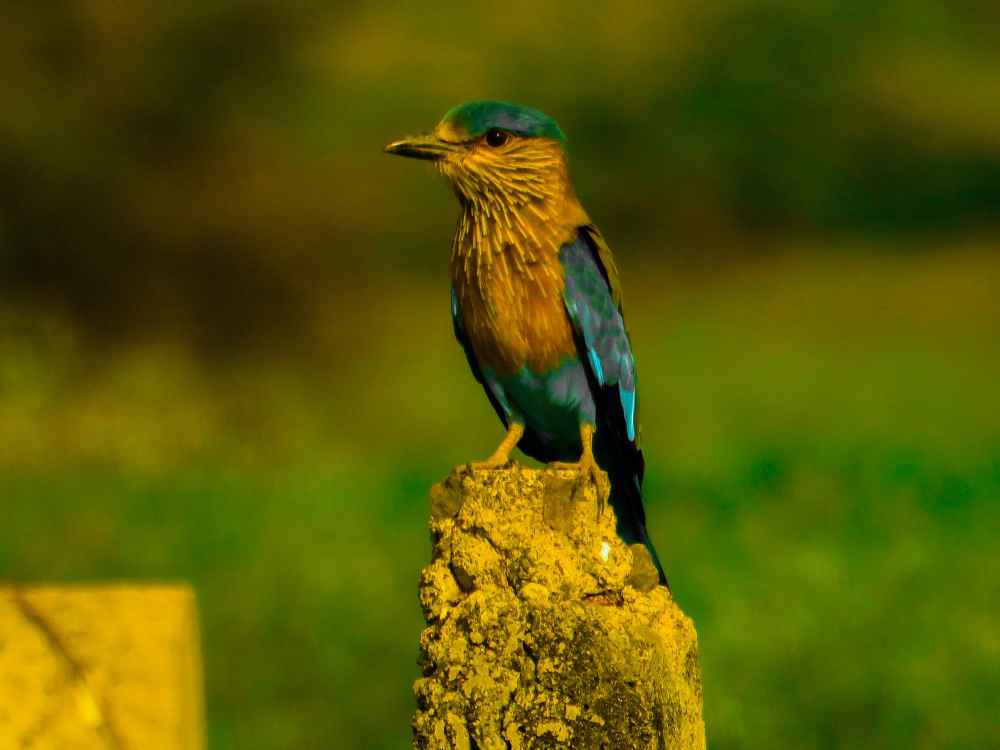
With more than 300 recorded species, Kanha is kinda a solid little reward for birdwatching people, you can get sightings of Indian Pittas, Crested Serpent Eagles, Racket tailed Drongos, and plenty of owls as well as woodpeckers. The park's meadows and waterholes also pull in a bunch of migratory birds during winter, so the early morning time around Kanha Meadow and Bishanpura Maidan becomes really popular with folks doing serious bird photography.
How to Reach Kanha National Park
Kanha National Park is pretty well-connected, by road, rail and also air, so reaching there is not that hard. The closest airport is at Jabalpur around 165 to 170 km. For trains, you can look at Gondia or Jabalpur as the nearest railway station. After that , well-maintained roads link Kanha with places like Jabalpur, Nagpur, and Pench, which makes the whole trip easy from most big cities across central India.
By Air
The closest airport for Kanha National Park is Jabalpur Airport (Dumna Airport), about 160 km, and yes it does have regular flights to Delhi, Mumbai and Bhopal.
Another decent choice is Nagpur Airport, roughly 260 km away , and it usually gives broader flight connectivity, especially if you’re planning a Kanha tiger reserve trip coming from southern or western India.
By Train
If you’re wondering about the nearest railway station to Kanha National Park, then Gondia Railway Station (~130 km) and Jabalpur Railway Station (~165 to 170 km) are the two most convenient.
They’re both pretty well connected to major Indian cities. From either one, prepaid taxis or prearranged cabs can get you onward to Kanha without much fuss .
By Road
Kanha is pretty well connected through a bunch of state and national highways, so doing a Kanha National Park road trip from Jabalpur, Nagpur, or even from Pench National Park, ends up being a popular option for self-drive folks.
There are regular bus services and some private taxis too, running from nearby towns toward the main entry gates including Khatia and Mukki. So if you are aiming for a budget friendly Kanha safari trip it works out.
Route Chart
Distance guide from major cities to Kanha National Park.
Do's and Don'ts
Important guidelines to follow during your visit to Kanha National Park.
✓ Do's Inside the Park
✕ Don'ts Inside the Park
Frequently Asked Questions
Essential information about location, safari zones, wildlife, and travel details for Kanha National Park.
Plan Your Kanha Safari & Attractions Tour
Let us craft the perfect Kanha itinerary — combining thrilling wildlife safaris with scenic nature trails, tribal culture, waterfalls, and unforgettable experiences around Kanha National Park.