From ancient Vaishnavite monasteries on the Brahmaputra banks to scenic tea gardens, hill stations, and wildlife sanctuaries — discover everything surrounding the world's greatest rhino sanctuary.
Kaziranga National Park isn’t only a rhino sanctuary, it’s… like far more. The place runs across the Brahmaputra floodplain in Assam, and somehow it manages to feel like a whole little world in one spot. You can catch thrilling wildlife safaris, endless open grasslands, and day to day Assamese and Karbi culture. Plus there are conservation stories, so compelling that people study them across the world.
You start off in the Central Zone at Kohora, where a one horned rhino just stands, knee deep in a beel at golden hour, and then you drift toward Bagori, where elephant groups cross the Diphlu River at dawn , and tigers slide through the tall grass like quiet shadows. Somehow every zone has its own way of sort of catching you unaware, even when you think you have it figured out. Whether you’re a wildlife enthusiast after your first rhino sighting , a birdwatcher lured in by 480+ species , a camera chaser hunting for that Brahmaputra light , or a traveller just trying to properly unplug from city noise, Kaziranga keeps coming with you, long after you’ve left.
Beyond the safaris, attractions around Kaziranga include ancient Vaishnavite monasteries, rolling tea gardens, Karbi and Mising tribal villages, the wetlands of Pobitora, Brahmaputra river cruises, and the hill forests of Karbi Anglong, each adding a distinct layer to your visit.
From ancient river island monasteries and wildlife sanctuaries to tea garden trails and Brahmaputra river cruises, there is far more to explore around Kaziranga than most visitors ever expect.
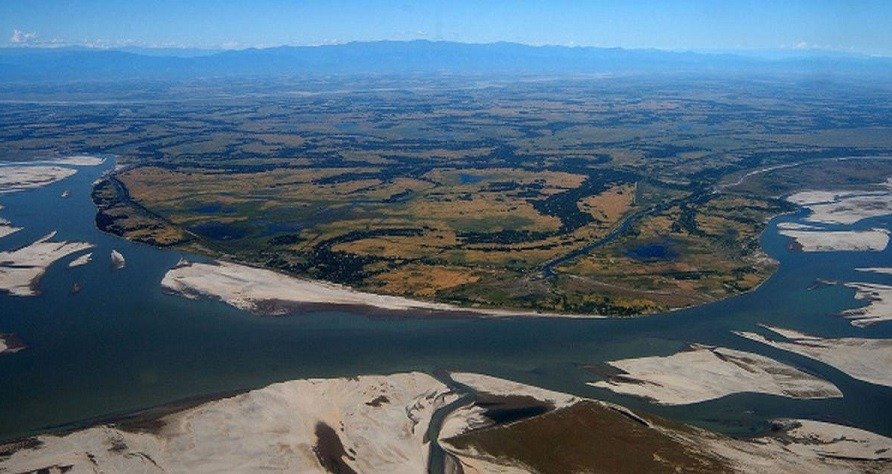
Majuli is said to be the world's largest inhabited river island, sitting kinda right in the middle of the Brahmaputra River in Assam, and it's also one of those places that feels really extraordinary to visit when you're near Kaziranga National Park. It's about 128 km from Kohora, and you get there by ferry from Nimati Ghat near Jorhat, while the crossing itself is… well it's an experience before the actual experience. You're just watching the Brahmaputra stretch endlessly on all sides ,and somehow it makes everything else feel slower.
The island is the spiritual and cultural heartland of Assamese Vaishnavism, and it's home to ancient Satras, these monastery-like institutions that were established by the saint-scholar Srimanta Sankardeva in the 15th century. In them, classical Sattriya dance, mask-making, and manuscript traditions are still practiced and passed down, pretty much in the same way. Kamalabari Satra, Auniati Satra, and Garamur Satra are among the most visited of these living cultural places. And beyond the Satras, Majuli's wetlands and grasslands are rich with migratory birds, so it becomes a natural extension of the birdwatching experience you started inside Kaziranga.
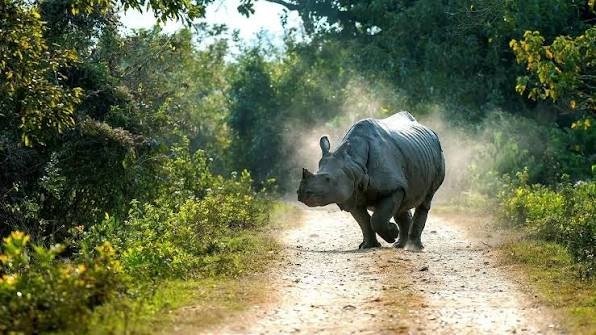
Pobitora Wildlife Sanctuary lies roughly 168 km to the west of Kaziranga, close to Morigaon in Assam, and it's become one of the more striking wildlife spots in all of Northeast India. What makes Pobitora honestly quite special is that it has the top density of Indian one-horned rhinoceroses anywhere on Earth, with more than 100 rhinos in just 38.85 sq km of grassland and wetland ground, right along the Brahmaputra floodplain.
If you're planning to combine Pobitora with a Kaziranga National Park safari, the contrast is a bit unreal. Kaziranga feels sprawling and open, meanwhile Pobitora feels tight, almost intense, with rhinos grazing so nearby it can seem like they're at your shoulder, or well, practically close enough. Here you can find Gypsy safaris too, and elephant safaris as well, and the wetlands also draw a noticeable crowd of migratory plus resident waterbirds. People often come for birds like the rare Bar-headed Goose, and for ducks and eagles of different kinds, the sort that birdwatchers look for, almost without exception.
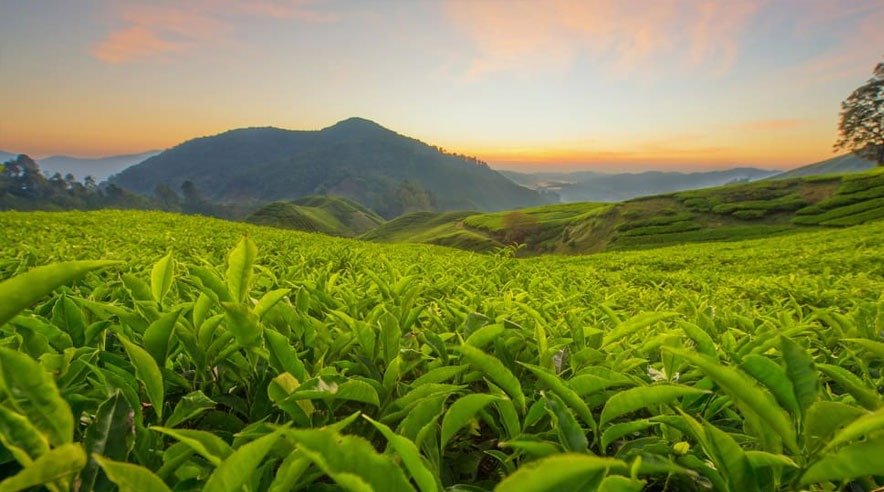
The tea gardens stretching along NH 715, and around Jorhat near Kaziranga National Park, are one of those things that feel, in a good way, oddly overlooked. They're also one of the most visually stunning sights in this entire region. Assam makes nearly 55 percent of India's total tea output, and the estates around Kaziranga and Jorhat sit among the finest and most productive, worldwide, especially for their bold, malty Assam tea that gets sent out across the globe.
Just walking through the carefully tended rows of tea bushes, with the forest boundary of Kaziranga showing up behind everything, is genuinely beautiful. You can find a few tea estates near Kaziranga that run guided plantation strolls, plus tea tasting sessions, and heritage bungalow stays, so you get this rather different perspective on Assam, beyond the safari routine. Kaziranga Golf Resort and several heritage tea estate resorts in Jorhat let visitors blend wildlife mornings, with easy going plantation afternoons, in a way that, frankly, very few other wildlife destinations in India can match.
Nameri National Park sits about 99 km to the northwest of Kaziranga near Sonitpur district, in Assam, kind of tucked right along the foothills of the Eastern Himalayas, on the Arunachal Pradesh border. While Kaziranga is mostly known for rhinos and grassy expanses, Nameri feels totally not the same, think dense semi-evergreen forest , a clear water Jia Bhoroli River edging the whole area, and this mood that seems removed, slow paced and strangely calm.
Nameri is also among the best spots in Northeast India for river rafting, with white-water runs on the Jia Bhoroli River being a favorite for adventure travelers who want to pair it with a Kaziranga visit. Beyond that, it's a solid birdwatching destination too, since the White-winged Duck, which is one of the rarest ducks globally, has been documented there. Tigers and elephants show up often enough, and the wildlife experience feels quieter , more personal and honestly less crowded than Kaziranga.
Tezpur is basically the closest big city to Kaziranga National Park, about 63 km to the west and honestly it is also one of the most historically layered and visually beautiful towns in the whole of Assam. People sometimes call it the City of Blood because of a myth, where there's a great battle connected to Lord Krishna and the demon king Banasura. Tezpur sits right on the banks of the Brahmaputra, and somehow it gives some of the most spectacular river sunset scenes in NorthEast India.
If you look around, you'll find the ancient ruins of Da Parbatia, dating to the 5th and 6th centuries, and they're often listed among the finest early Assamese stone sculptures . These ruins are protected as an Archaeological Survey of India monument. Then there's Cole Park, on the Brahmaputra side, which is a well kept public garden with river views, and at dusk it becomes really stunning, like the kind you don't forget. Also, Agnigarh Hill, tied to the legend of Princess Usha and Banasura, gives a wide panoramic view of the Brahmaputra valley , which is one of the most photographed areas in Assam.
Orang National Park , also known as Rajiv Gandhi Orang National Park, sits on the northern bank of the Brahmaputra in Assam, across Darrang and Sonitpur districts, about 127 km from Kaziranga. People often call it "Mini Kaziranga" because it holds the same kind of high grassland and marshland ecology as Kaziranga, but in a much smaller and calmer, less frequented landscape. That's why it feels genuinely off the beaten path , even if you're already familiar with the wider region.
Orang itself covers only 78.81 sq km as core terrain, yet it still shelters a strong mix of wildlife like Indian one-horned rhinoceroses, Bengal tigers, Asian elephants, and wild water buffalo, plus excellent birdwatching through its wetlands. Since the number of visitors is a lot lower than in Kaziranga, game drives and safari days in Orang tend to be quiet, unhurried , and a bit more thoughtful in pace. Serious nature lovers and photographers , in particular, seem to chase that kind of setting. So for travellers who plan to stay several days around Kaziranga, Orang is one of the most rewarding add-ons you can actually make to the route.
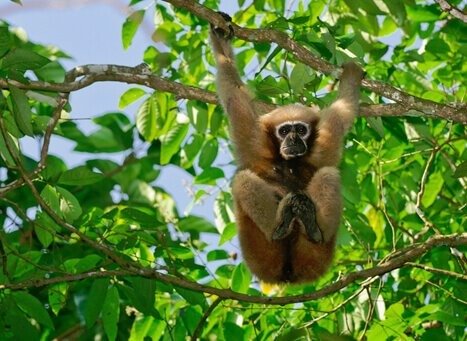
Gibbon Wildlife Sanctuary sits about 25 km from Jorhat in Assam's Sivasagar district, roughly 124 km east of Kaziranga, and honestly it feels like one of the most important but also really overlooked wildlife spots across all of Northeast India. The place gets its name from the Hoolock Gibbon, India's only ape kind, and it also shelters one of the last still-viable populations of this endangered primate in the nation.
If you walk, or even drive ,through the sanctuary's thick semi-evergreen forest canopy near dawn, the loud whooping calls from gibbon pairs sort of bounce around the trees, and it becomes this experience that's pretty different from anything you'll catch on a Kaziranga gypsy safari. The sanctuary further supports slow lorises, capped langurs, leopard cats, and it has a solid bird population too. For primate enthusiasts and wildlife photographers visiting the Kaziranga and Jorhat region, the Gibbon Wildlife Sanctuary is an essential and deeply rewarding addition to any Northeast India wildlife itinerary.
Karbi Anglong hills kinda form the natural southern boundary of Kaziranga National Park, and they are among the most ecologically important , also scenically dramatic landscapes you can find in all of Assam. This huge tribal district, home to the Karbi people, who have lived alongside this forest in harmony for generations, runs through dense mixed forests, waterfalls, tea gardens and small hill villages that feel like they are entirely off the tourist trail.
During the yearly monsoon floods , wildlife from Kaziranga moves upward into the Karbi Anglong forests, so those hills turn into this essential ecological corridor, for rhinos , elephants, and tigers. The Killing Fields reserve forest inside Karbi Anglong acts as a kind of buffer zone for Kaziranga's wildlife too. And if you want to mix a Kaziranga safari with a tribal cultural experience , or maybe add a waterfall stop, or just take a slow quiet drive along wooded hill roads, Karbi Anglong gives you a side of Assam that very few visitors even consider exploring.
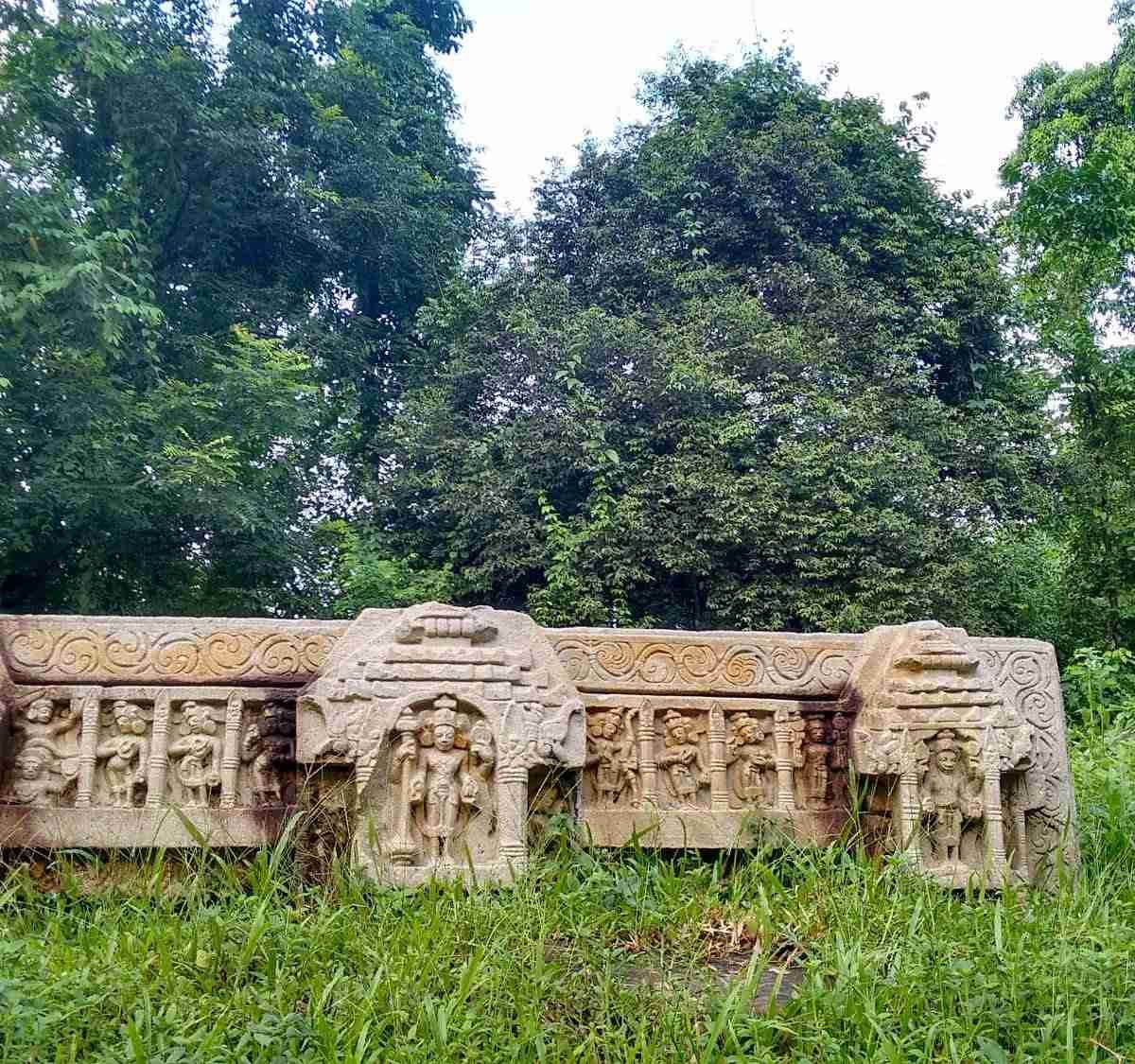
Deoparbat is among those places that feel fascinating , but it also stays pretty undervisited, sitting quietly inside a forested pocket near Tezpur in the Sonitpur district. It's about 70 km from Kohora, and somehow it just seems like it's out of the usual path. These old ruins are believed to date back to the 9th and 10th centuries, and in them you can find some of the best early medieval Assamese stone sculptures, the kind people rarely talk about, across Northeast India.
The site seems to hold the remnants of a large brick temple complex, plus quite intricate carved stone panels showing figures from Hindu mythology , and there are also some beautifully done images of Ganesha , Mahishasuramardini, and other deities, all carved with such care and refinement that it feels like it belonged to a very sophisticated artistic tradition that really took root in this region more than a thousand years ago. The jungle setting around the ruins gives the whole visit a kind of genuine atmosphere too, you see moss-covered stones half-hidden by roots , and by undergrowth, so the place feels almost like you've stumbled on it rather than just toured it, which history lovers and photographers tend to respond to a lot . If you're travelling and you're mixing a Kaziranga wildlife safari with cultural sightseeing, Deoparbat is easily one of the most rewarding stops, but it's also kind of underrated compared to others in the wider area.
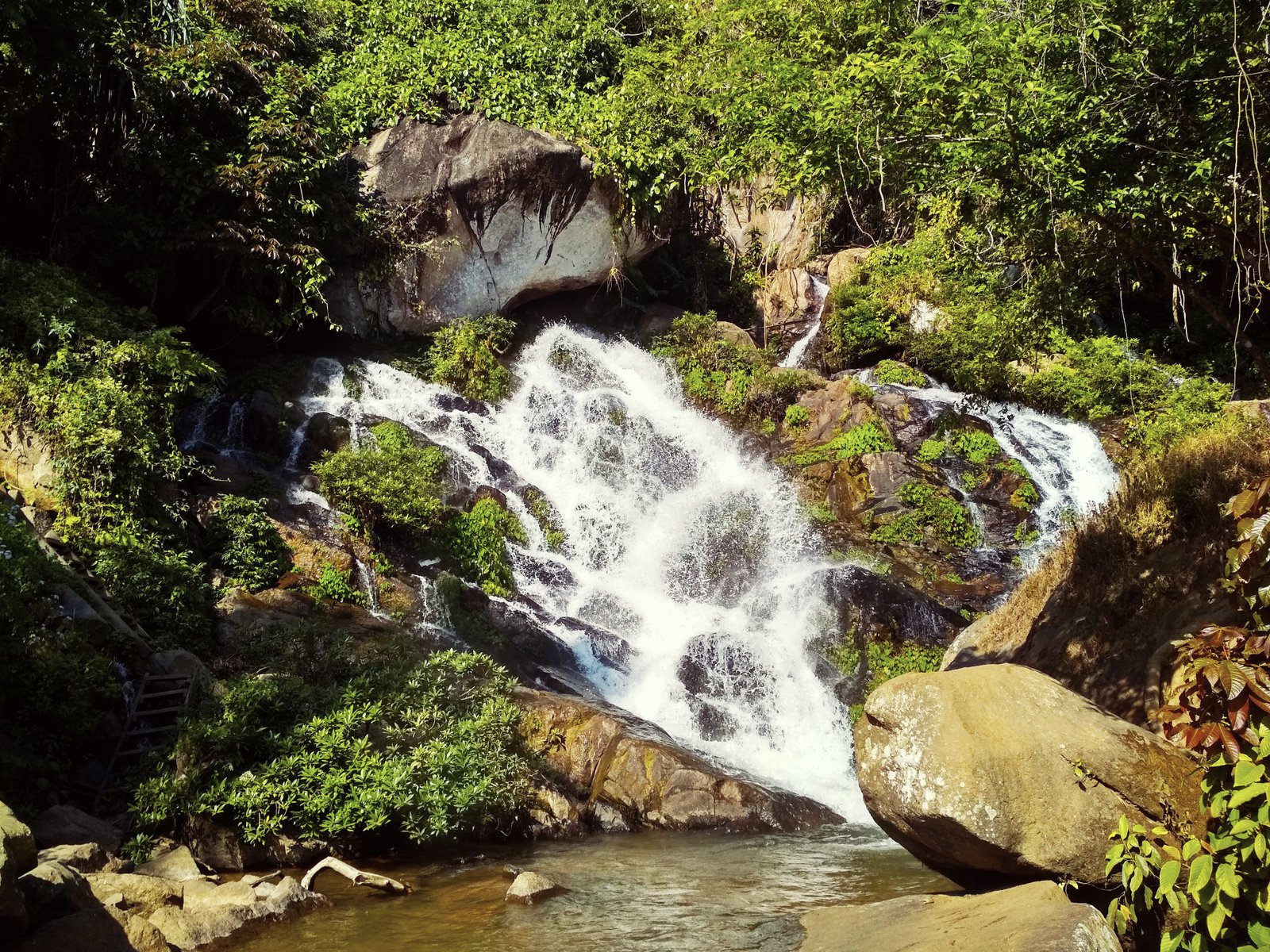
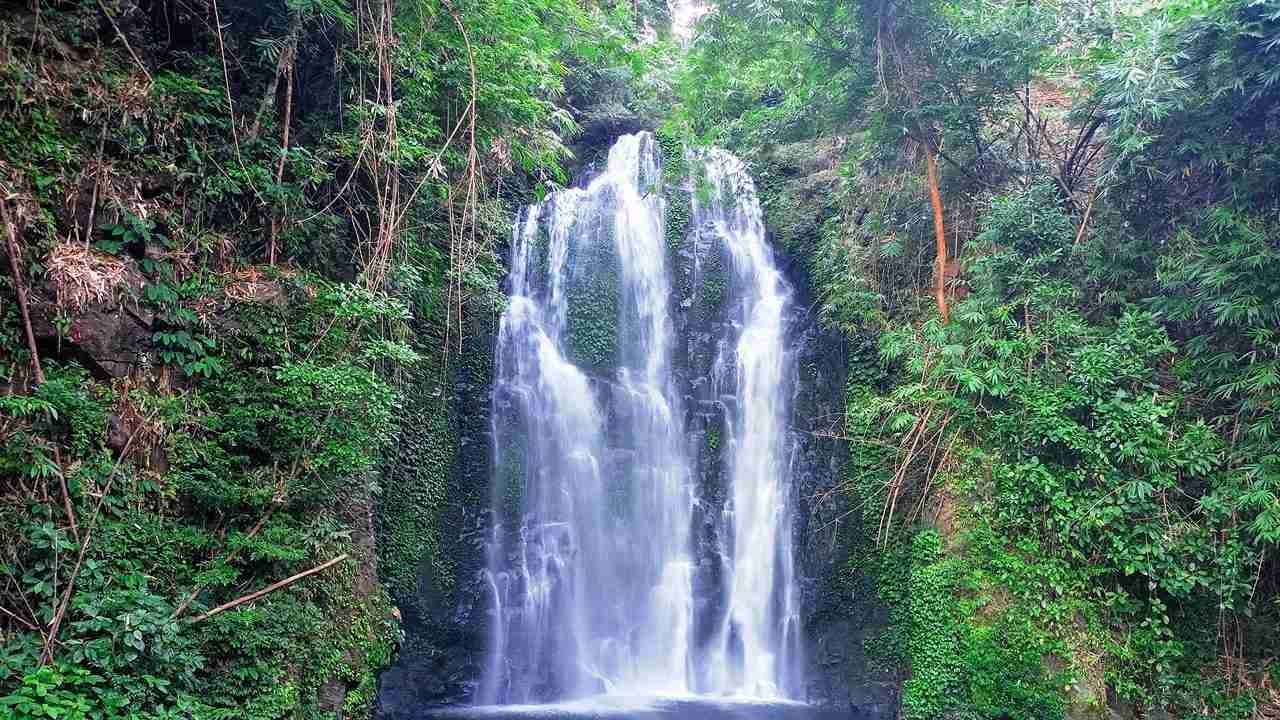
Kakochang Waterfalls is one of the most unexpectedly beautiful natural attractions near Kaziranga National Park, tucked inside the Hathikuli Tea Estate on the road between Kohora and Jorhat, roughly 80 km from the Central Zone. The waterfall drops through layers of dense forest vegetation and tea garden greenery in a setting that feels completely removed from the wildlife world just a short drive away.
The approach to Kakochang is part of the experience itself. You walk through neat rows of tea bushes with the sound of falling water growing louder before the falls suddenly appear through the green canopy below. The plunge pool at the base is surrounded by rocks and forest that make it one of the most photogenic natural spots in the Kaziranga region. The combination of a working tea garden, forest canopy and a waterfall in one frame makes Kakochang a favourite stop for wildlife photographers and travel photographers looking for something beyond the safari. It is best visited in the late morning after an early safari, when the light filtering through the tea garden is at its most beautiful.
Hollongapar Gibbon Sanctuary sits about 25 km from Jorhat in Assam, within Jorhat district, roughly 112 km to the east of Kaziranga, and honestly it feels like one of the most important yet kind of overlooked wildlife spots across all of North East India. The place gets its name from the Hoolock Gibbon, India's only ape creature, and it also shelters one of the last still workable populations of this endangered primate in the country. People say it's named for the Hollong tree too, Assam's state tree, and that tree basically dominates the forest canopy here, so you notice it fast.
Walking through the sanctuary's dense semi-evergreen forest at dawn, with those loud whooping calls from gibbon pairs echoing above in the canopy, it feels totally unlike what you usually get on a Kaziranga gypsy safari. Like, it's not just the view, the sound, and the misty air… the sanctuary also shelters slow lorises, capped langurs , pig-tailed macaques, leopard cats, and there's a strong variety of forest birds too. For primate lovers and wildlife photographers visiting the Kaziranga and Jorhat area, Hollongapar is basically an essential stop, and also a deeply rewarding add-on to any Northeast India wildlife plan.
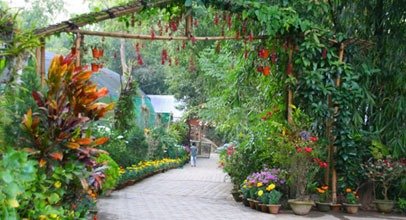
Kaziranga National Orchid and Biodiversity Park, feels like Northeast India's floral world all in one place, kind of. The park sits right on NH 715 at Kohora, almost at the entrance to the Central Zone , so it becomes one of the most reachable, and quietly satisfying stops whenever someone is visiting Kaziranga National Park. It's also the largest orchid park in India, with more than 500 species of orchids, plus a beautiful assortment of aquatic plants, medicinal herbs, cacti, bamboo varieties and other plant types native to Northeast India and the Eastern Himalayan biodiversity hotspot.
The park is beautifully laid out with themed sections covering orchid houses, water gardens, butterfly gardens and forest plant displays that together give visitors a comprehensive introduction to the extraordinary botanical diversity of this region. For families travelling with children, the Orchid Park is one of the best stops near Kaziranga for a relaxed, educational and visually rich experience away from the safari. It is also a favourite with plant photographers and botanists who come specifically to document the rare orchid species on display. Entry is straightforward and the park can comfortably be covered in an hour to two hours.
The communities living in and around Kaziranga National Park carry some of the richest and most distinctive cultural traditions in all of Northeast India, and spending time with them adds a completely different and deeply meaningful dimension to any Kaziranga visit. The Assamese, Karbi and Mising communities each have their own language, weaving traditions, music, food culture and festivals that have evolved over centuries in direct relationship with this extraordinary landscape.
Bihu, Assam's most beloved festival, celebrated three times a year, is at its most vibrant and genuine in the villages around Kaziranga, where community Bihu dancing and music programs feel nothing like the staged versions you see in cities. Vaishnavite Satras, the ancient monastery-institutions set up by Srimanta Sankardeva, are found in nearby villages and they welcome respectful guests to witness prayer rituals, Sattriya dance performances, and traditional mask making. Karbi villages in the Karbi Anglong hills south of Kaziranga give you a real view into tribal weaving, bamboo craft and forest based ways of life which are, honestly, different from almost anything else across India. For travellers who want their Kaziranga visit to go beyond wildlife, the local culture is the most rewarding extra layer of it all.
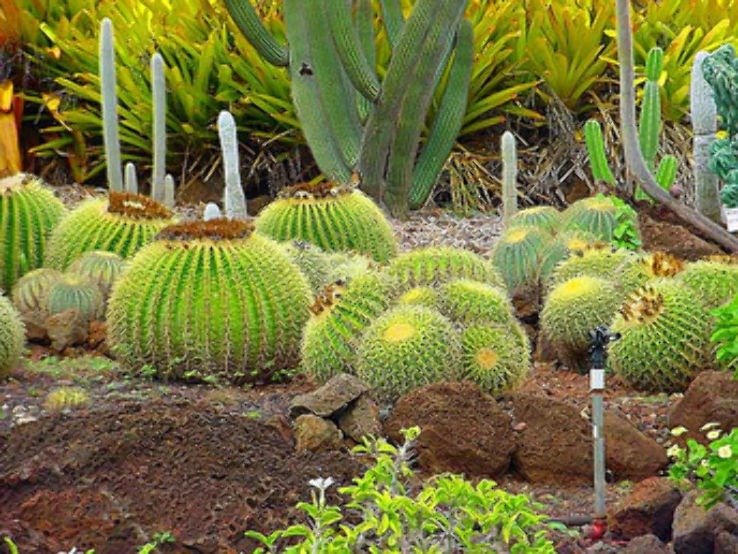
The Cactus Park and Bamboo Garden near Kaziranga is a small but surprisingly enjoyable roadside attraction sitting along NH 715, making it an easy and pleasant stop for visitors travelling between Kohora and Tezpur or Jorhat. The garden brings together an impressive collection of cactus varieties alongside an extensive display of bamboo species native to Assam and Northeast India, set in a well-maintained green space that offers a relaxed break from the road.
Bamboo holds enormous cultural and ecological importance in Assam and Northeast India, used in construction, cooking, weaving craft and traditional medicine across dozens of communities in the region. You can really feel the sheer variety in one place, like towering clumps beside delicate ornamental types, and it gives visitors a genuine appreciation for how central this plant is, to day to day life in Assam. The cactus collection adds this sort of unexpected and visually striking contrast against the lush green landscape, and yeah it stands out. It is not a big attraction, so it won't take more than 30 to 45 minutes, but it works perfectly as a relaxed stop between the safari zones, or on arrival and departure days, when you just want something easy.
The food culture around Kaziranga National Park is one of the most distinctive and underexplored parts of any visit to this region, and eating local here is genuinely one of the great pleasures of the trip. Assamese cuisine is light, flavourful and deeply rooted in the natural ingredients of the Brahmaputra valley, built around rice, river fish, mustard, bamboo shoots, banana flower and an extraordinary variety of herbs and greens that grow wild across the floodplain.
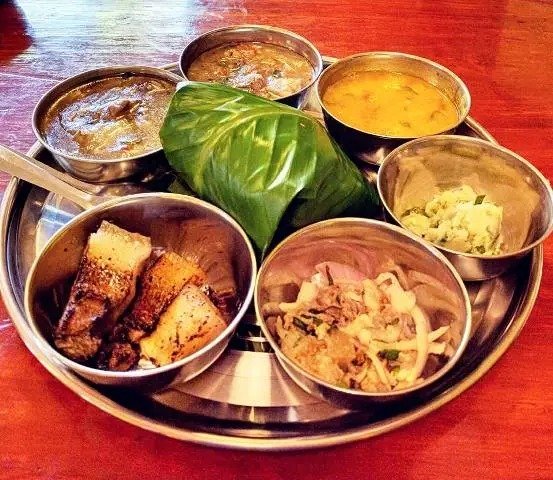
A traditional Assamese thali, kinda served at a local restaurant in Kohora or in some village eatery near the park, will usually bring steamed rice, dal, masor tenga (that sour fish curry made with elephant apple or tomato), and aloo pitika , like mashed potato mixed with mustard oil and green chilli. You might also see dried fish preparations along with seasonal vegetables cooked pretty simply, with least spice and a strong focus on freshness. And then there's smoked pork and smoked duck , prepared by the Karbi and Mising communities. They're full of character and frankly not like anything else you will come across elsewhere in India.
Also, rice beer , known locally as Apong among the Mising people, is a traditional fermented drink, offered during festivals and also in village homes. If you are the kind of traveller who treats food as a main part of travel, the Kaziranga region won't really disappoint you.
From dawn gypsy safaris through rhino country to elephant rides, birdwatching, and Brahmaputra river cruises — Kaziranga offers far more ways to experience the wild than most visitors ever realise.
The gypsy safari is the best and most popular way to explore Kaziranga National Park. Open-top gypsies cover all four zones — Central, Western, Eastern and Burapahar giving you close encounters with rhinos, tigers, elephants and wild buffalo across open grasslands and wetland edges. Morning safaris starting at dawn offer the best wildlife activity, while evening slots deliver golden-hour light that wildlife photographers specifically plan their Kaziranga trip around.
The elephant safari in Kaziranga is one of the most iconic wildlife experiences in all of India. Riding silently through tall elephant grass at dawn, you get closer to one-horned rhinoceroses than any gypsy ever could. Available in the Central and Western zones during early morning hours only, slots are limited and fill up fast during peak season. Book well in advance for this deeply intimate and unforgettable Kaziranga wildlife experience.
With more than 480 noted bird species, Kaziranga National Park is basically one of the best birdwatching spots in Northeast India, honestly. The beels and wetlands call in a rare mix like the Greater Adjutant Stork, the Grey-headed Fish Eagle, Pallas's Fish Eagle, the Great Hornbill and also thousands of migratory waterfowl between November and February. By early morning, gypsy safaris in the Eastern Zone, and also the Northern Zone, tend to be where the real birdwatching happens in Kaziranga for serious birders, and wildlife photographers.
Kaziranga is one of the top wildlife photography spots in India, where rhinos, tigers, elephants, and wild buffalo can be seen in open grassland spaces that central Indian parks don't usually give. There's this mix of tall grass, a morning mist, open beels and a Brahmaputra backdrop, it makes scenes that feel genuinely one of a kind for this park. If you're going for early morning safaris, especially in the Central and Western zones, it's basically where the best Kaziranga wildlife photography chances show up again and again throughout the season.
The Kaziranga National Orchid and Biodiversity Park on NH 715 at Kohora is the largest orchid park in India, housing over 500 orchid species alongside aquatic plants, medicinal herbs and bamboo varieties native to Northeast India. It is the perfect stop before or after a morning safari, offering a relaxed, educational and visually rich experience for families, botanists and plant photographers visiting Kaziranga National Park.
A Brahmaputra river cruise near Kaziranga is one of those most scenic, a bit underrated experiences across all of Assam. You glide across one of Asia's mightiest rivers while the park's grasslands and forest look right there along the southern bank, and honestly it feels like you're seeing the Kaziranga landscape from a new angle. The sunrise and sunset rides are especially popular because the light is extraordinary, and you also get that chance to spot river dolphins, migratory birds and, if you're lucky, elephants coming down to the water's edge.
Spending time in the villages around Kaziranga National Park adds this kind of real cultural layer to your wildlife trip. Karbi, Mising and Assamese communities living near the park boundary carry weaving traditions, bamboo craft , Bihu music and forest-based food cultures that are totally distinctive for this region. Village walks around Kohora and also in the Karbi Anglong foothills give you a pretty honest, unhurried view into rural Assam that no resort or safari can quite replicate.
Eating locally around Kaziranga is one of the most rewarding parts of the trip, honestly. The village eateries close to Kohora, serve a traditional Assamese thali with masor tenga mixed in, aloo pitika, and dried fish alongside bamboo shoot preparations … and they're really flavourful, like not just "good", but uniquely this region. You also get smoked pork, and sometimes duck, coming from Karbi and Mising communities, plus Apong rice beer, which kind of rounds everything out. That whole mix is the kind of food experience that serious travellers specifically go after when they visit Kaziranga.
Kakochang Waterfalls inside the Hathikuli Tea Estate, around 33 km from Kohora, is one of the most beautiful and undervisited natural stops near Kaziranga. The waterfall drops through dense forest and tea garden greenery in a setting that is completely unlike the grassland landscape of the park. Best visited in the late morning after an early safari, Kakochang is a favourite with photographers looking for something beyond wildlife during their Kaziranga trip.
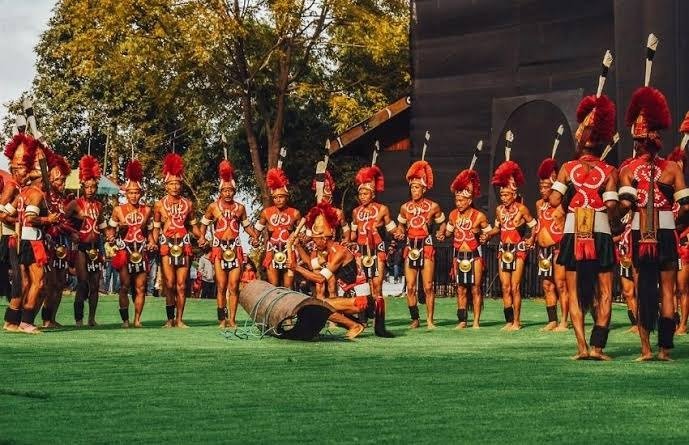
The Kaziranga Elephant Festival , held every year in the winter season, is one of the most colourful and well-liked cultural happenings across all of Assam. With elephant races , elephant polo , cultural performances , Bihu dance , and traditional Assamese music, it gathers visitors from all over India as well as from abroad. Honestly it is also a really good moment to feel the living cultural traditions of Assam, along with a Kaziranga National Park safari , especially during peak wildlife season.
A boat ride on the Brahmaputra near Kaziranga is one of the most memorable experiences you can add to your trip. The river here is vast, almost sea-like, and being out on the water with the park's grasslands along the southern bank gives you a perspective no gypsy safari can offer. Sunrise rides are especially beautiful, with river dolphins surfacing nearby and waterbirds lifting off the sandbanks in large flocks.
Along NH 715 near Kohora, the shops kind of carry some of the finest handmade crafts in Assam, if you ask me. You can find Traditional Muga silk and Eri silk weaves, and those really feel like the most authentic souvenirs from a Kaziranga trip. There's also bamboo and cane craft, hand painted masks, brass bell metal work, and locally produced organic teas , all of which are worth picking up. Near the park entrance, the Karbi and Mising community stalls seem to offer the most genuine items, and they are directly sourced handmade goods too.
From river island monasteries and ancient ruins to wildlife sanctuaries and scenic hill districts, the region around Kaziranga offers some of the richest and most varied travel experiences in all of Northeast India.
City of Blood
~63 km
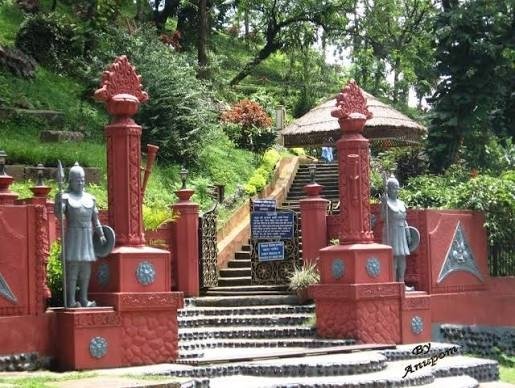
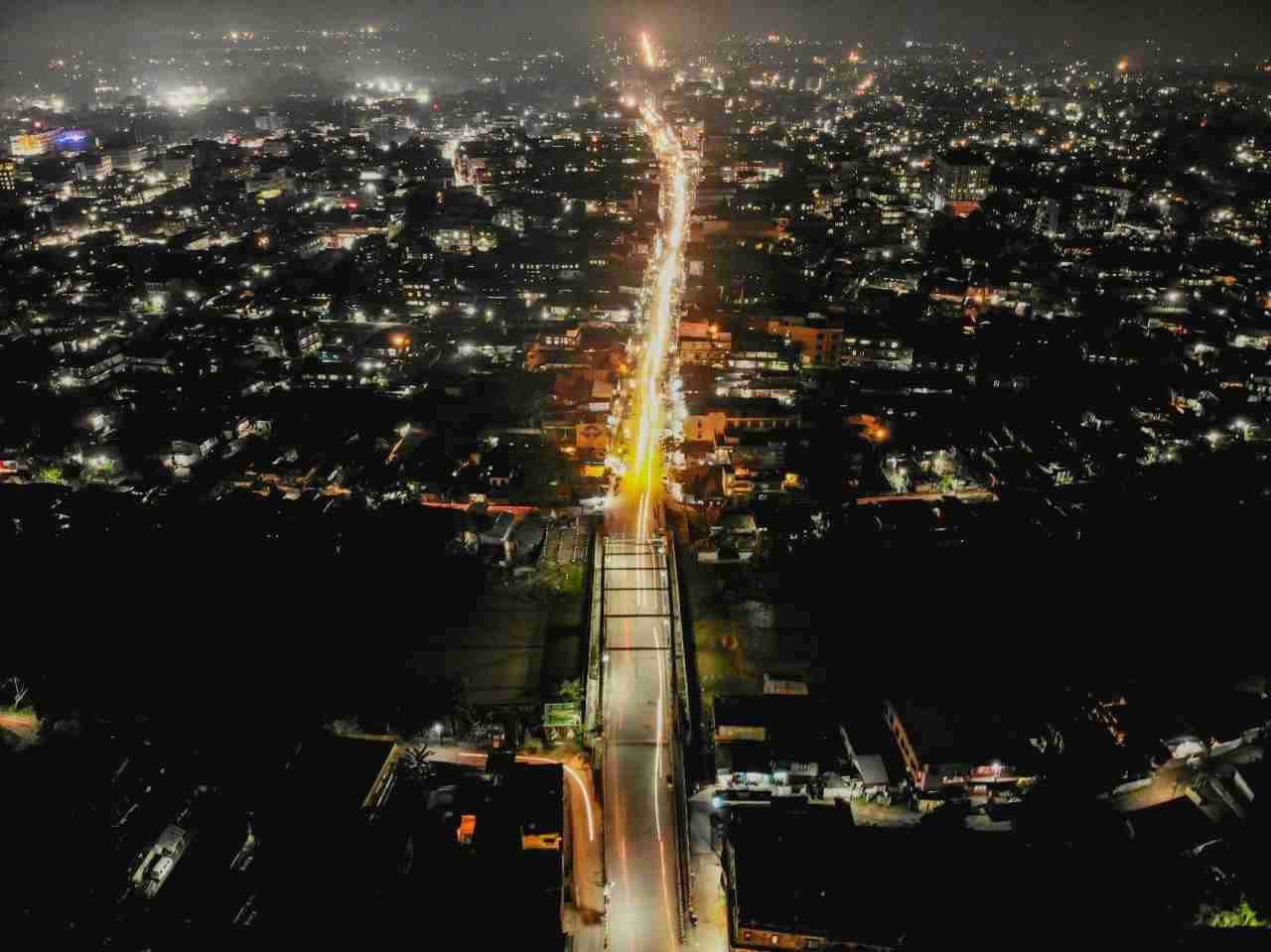
Tezpur is the nearest big city to Kaziranga, about 63 km away, and it sits right on the Brahmaputra bank. People also say it's called the City of Blood from a sort of mythological past, not always explained clearly. Still, Tezpur gives you ancient ruins at Da Parbatia, the scenic Agnigarh hill, Cole Park riverside gardens , and some of the best Brahmaputra sunset views you'll find across Assam. In a way it becomes the most natural stopover for visitors who want both sightseeing and a Kaziranga National Park safari, all in one go.
Tea Capital of Assam
~99 km
Jorhat sits around 99 km east of Kaziranga and serves as the main gateway city for the Eastern Zone. Known as the tea capital of Assam, Jorhat is surrounded by heritage tea estates, offers easy ferry access to Majuli Island, and is home to the Tocklai Tea Research Institute, the oldest tea research centre in the world. It is a relaxed and charming base for the eastern side of any Kaziranga trip.
Assam's Cultural Soul
~97 km
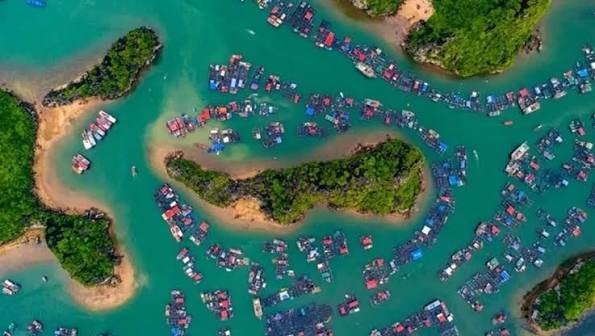
Majuli is the world's largest inhabited river island, sitting in the Brahmaputra around 97 km from Kaziranga and reached by ferry from Jorhat. Home to ancient Vaishnavite Satras where Sattriya dance, mask-making and manuscript traditions are still actively practiced, Majuli is Assam's cultural soul. Its wetlands and grasslands also attract migratory birds, making it a natural extension of the birdwatching experience you begin inside Kaziranga.
Highest Rhino Density in the World
~168 km
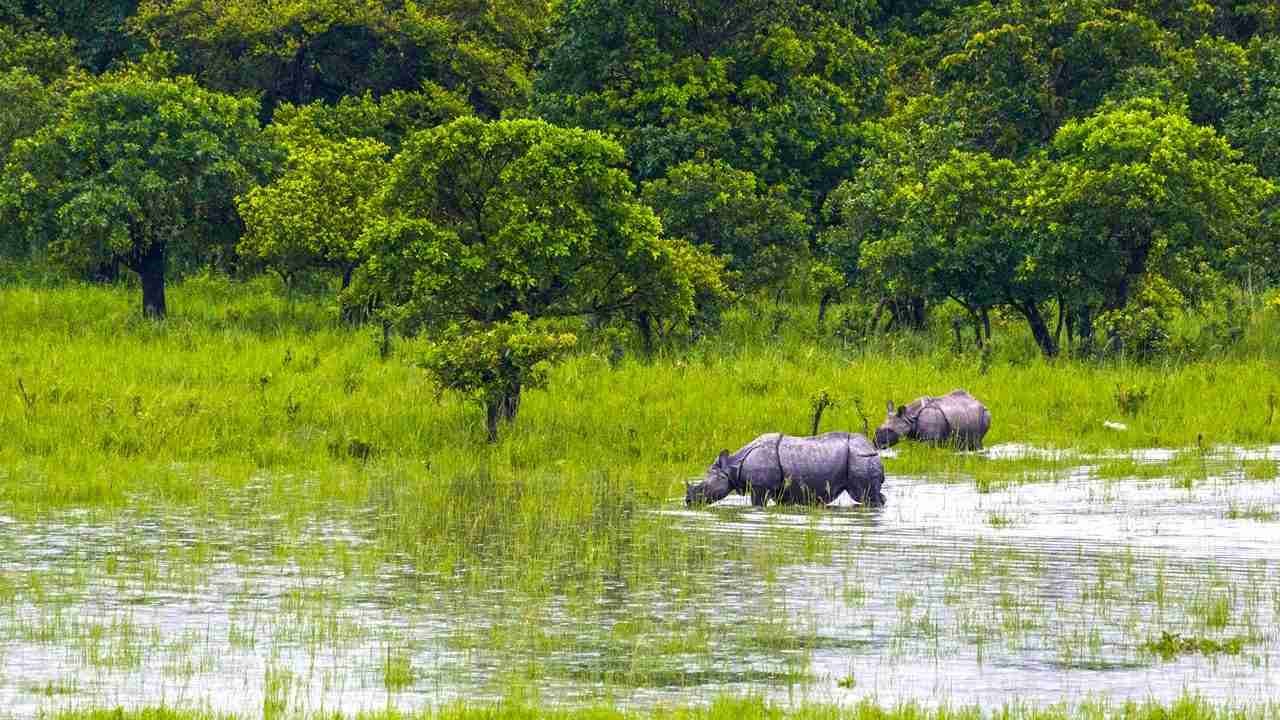
Pobitora Wildlife Sanctuary near Morigaon, around 168 km west of Kaziranga, holds the very highest density of Indian one-horned rhinoceroses anywhere in the world , with more than 100 rhinos packed into just 38.85 sq km. There are both gypsy and elephant safaris, and those wetlands pull in huge numbers of migratory waterbirds too. For people who want a second rhino safari kind of experience in a much more concentrated and close-up setting, Pobitora is basically unmissable.
White-Water Rafting on the Jia Bhoroli
~99 km
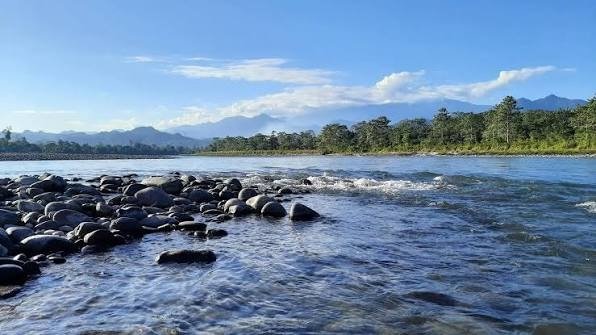
Nameri National Park sits roughly 99 km to the northwest of Kaziranga, not too far from the Arunachal Pradesh boundary, and it has that dense semi-evergreen feel—like everywhere, basically. You get the clear waterway Jia Bhoroli River too, and overall it feels more quiet , more isolated than Kaziranga. One of the most common attractions is white-water rafting on the Jia Bhoroli, people seem to go there for that. Also, the whole place is really good for bird watching, and the extremely rare White-winged Duck has been recorded somewhere in its forest, so Nameri becomes a top choice for wildlife travellers who are serious about it.
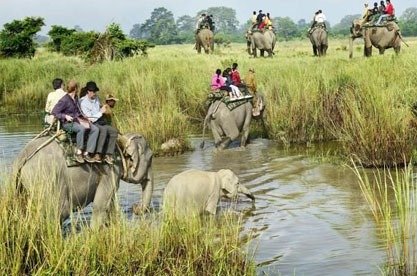
Mini Kaziranga
~100 km
Orang National Park, also known as the Mini Kaziranga, is on the northern bank of the Brahmaputra about 100 km from Kaziranga, in the Darrang and Sonitpur districts. It's only 78.81 sq km across but still manages to hold rhinos, tigers, elephants and wild buffalo, all in the same tall grassland and wetland setup like Kaziranga. Since there are far fewer visitors, the safaris tend to feel really uncrowded, unhurried too. In that way Orang becomes one of the best low-key wildlife getaways near Kaziranga.
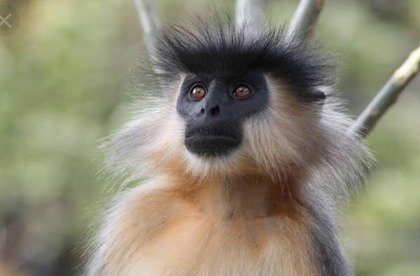
India's Only Ape Species
~124 km
Hollongapar Gibbon Sanctuary near Jorhat is like, around 124 km away from Kaziranga, and it guards India's only ape species the Hoolock Gibbon in one of its last remaining forest refuges. If you walk under the thick canopy at dawn while those gibbon calls ring above your head, it feels completely unlike any Kaziranga safari, really. The place also gives home to slow lorises, capped langurs, and a good mix of forest birds, so it becomes a must see stop for primate enthusiasts as well as wildlife photographers traveling through the Kaziranga and Jorhat region.
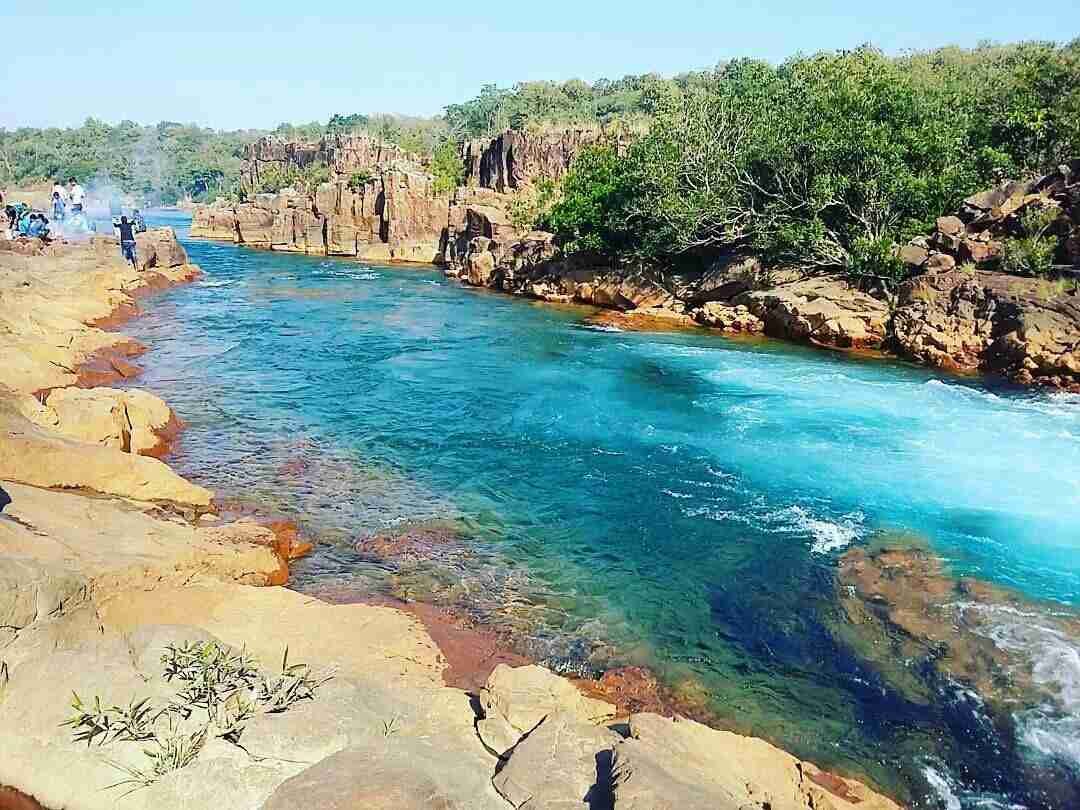
Kaziranga's Southern Boundary
Karbi Anglong is the large tribal hill district forming Kaziranga's southern boundary, home to the Karbi people who have lived alongside this forest for generations. Dense mixed forests, waterfalls, tea gardens and small hill villages make it one of the most scenically beautiful and culturally rich areas near Kaziranga. During monsoon floods, wildlife from Kaziranga migrates into these hills, making Karbi Anglong an ecologically critical and deeply rewarding destination for offbeat Assam travellers.
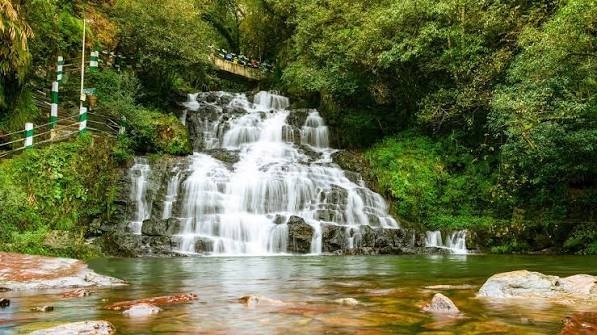
Scotland of the East
~265 km
Shillong, which is the capital of Meghalaya, sits roughly 265 km south of Kaziranga, and is also one of the most famous stopovers for travelers who are stitching together Northeast India destinations. People call it the Scotland of the East, so you can expect rolling hills, waterfalls, living root bridges and also colonial architecture—plus a lively music scene that feels very unlike anywhere else in India. Most visitors go between Kaziranga and Shillong by way of Guwahati, so it basically becomes this easy two-destination Northeast India plan.
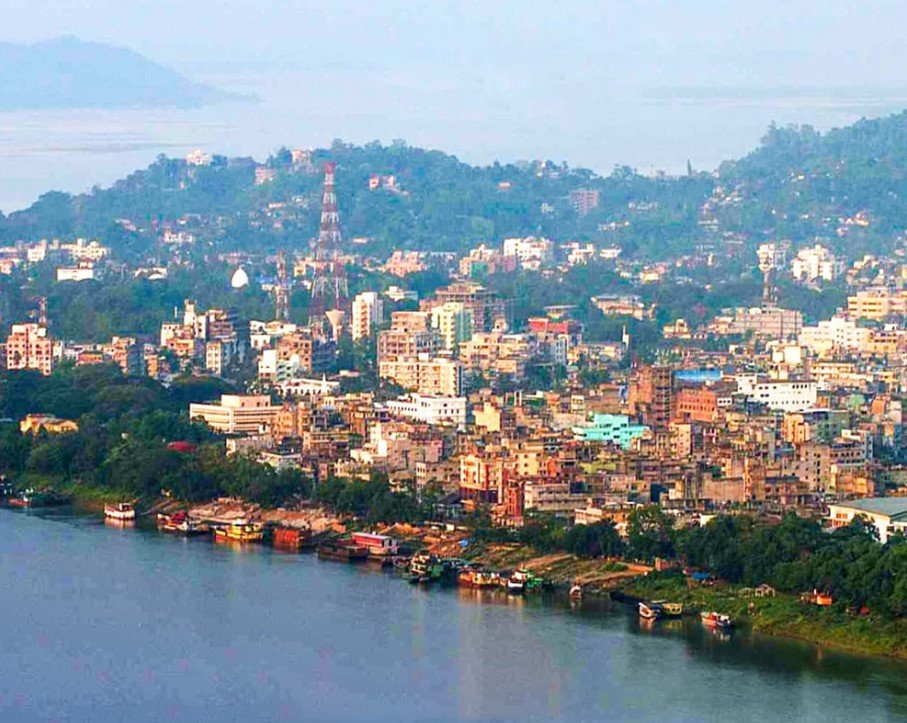
Largest City in Northeast India
~204 km
Guwahati is the main gateway city for Kaziranga, sitting around 204 km west on NH 27, and is the largest city in Northeast India. Home to the famous Kamakhya Temple, the Brahmaputra riverfront, Umananda Island temple and the Assam State Museum, Guwahati offers a full day of sightseeing for visitors arriving or departing on either side of their Kaziranga National Park safari trip.
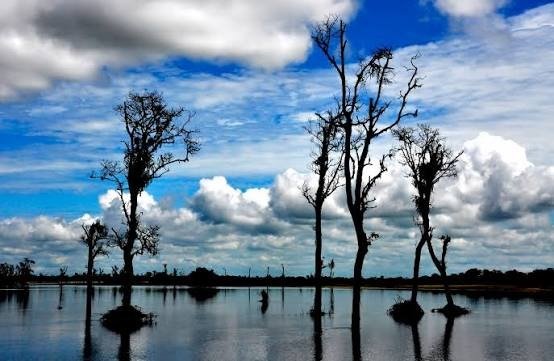
Home to the Rare White-Winged Duck
~99 km
Nameri National Park is sit, about 99 km to the northwest of Kaziranga, close to the Arunachal Pradesh boundary. There you get dense semi-evergreen cover, the clean clear-water Jia Bhoroli River, and honestly a calmer, more out of the way wildlife stay compared to Kaziranga. One of the main attractions is the white-water rafting on the Jia Bhoroli, people really come for that part. The place is also quite good for birdwatching, because the extremely rare White-winged Duck has been recorded within the forest, so Nameri becomes a rewarding stop for wildlife travellers who take it seriously.
Home to Feral Horses
~300 km
Dibru-Saikhowa National Park sits roughly 300 km east of Kaziranga , not far from Dibrugarh in upper Assam, and honestly it is one of the most unique, and also the least visited national parks across Northeast India. It is well known for feral horses that wander around freely over its grasslands but that is not the only thing. The area also has tigers, elephants, Gangetic river dolphins and a very lively birdlife. There are semi-evergreen forests plus riverine islands along the Brahmaputra , so it feels wild in a way that seems completely untouched, almost like there's nothing quite like it among the other parks in Assam.
The rivers flowing through and around Kaziranga are not just scenic backdrops — they shape the entire ecosystem, drive the annual flood cycle, and define where wildlife moves across this extraordinary landscape.
The Brahmaputra is kinda the lifeline of Kaziranga National Park, sort of forming its entire northern boundary and driving the annual flood cycle which then shapes every part of this landscape. It is one of Asia's mightiest rivers, and every monsoon it drops rich alluvial silt across the floodplain, keeping the tall grasslands and wetlands alive that support Kaziranga's extraordinary wildlife density too. Boat rides on the Brahmaputra near Kohora are also, pretty often, some of the most dramatic views of the park's grassland edge and they're among the most memorable experiences from any Kaziranga trip.
The Diphlu river kind of flows through the core of Kaziranga National Park, cutting through the Central , and Western zones, and somehow acting as one of those most critical wildlife corridors inside the park . Elephant herds regularly cross the Diphlu at dawn, and the river banks are among the most dependable spots for big mammal sightings during any Kaziranga gypsy safari. There's also a lot going on along the water, because the river supports a rich diversity of waterbirds , reptiles, and freshwater fish, which makes its banks ecologically important for the park's overall health too.
The Mora Diphlu i s a seasonal river channel running alongside the Diphlu, more or less parallel through the grasslands of Kaziranga, and yeah it has a crucial role in how the park handles internal water flow during, and after , the monsoon season. Because it is shallow and moving slowly, its waters become a kind of magnet, drawing rhinos, deer and wild buffalo to drink as well as to wallow, so it keeps working as a steady and very productive wildlife watching place for morning safaris. Also, the Mora Diphlu has seasonal pools, plus marshy margins, and those spots help a solid congregation of waterbirds and wading species stay around through the winter months.
The Mora Dhansiri river runs along the eastern edge of Kaziranga National Park, kind of like a natural line that separates the park from the wider surrounding land in Golaghat district. It's a key seasonal river, it swells during the monsoon months with flooding, then slowly slips back as winter comes. When that happens, it leaves behind bits of fertile grassland and little shallow water bodies , and those spots pull in wildlife all the way through the dry season. The Eastern Zone of Kaziranga, which shares its boundary with the Mora Dhansiri, is especially full of swamp deer, migratory birds and, in the cooler months there are also regular rhino sightings.
The Difloo is kind of a smaller river channel that moves through the buffer zones of Kaziranga and it helps out with the whole network of seasonal waterways, which together keep the park's wetland and grassland ecosystem steady through the dry season. Even though it's not as noticeable as the Brahmaputra or Diphlu, the Difloo still does this quiet, but important ecological work in sustaining water availability for wildlife across the park's interior areas. You can think of it as a calm connector of sorts, it's just there and it matters. Its banks and the nearby grassland patches often turn into handy, productive spots for birdwatching and for smaller mammal sightings during early morning safaris in Kaziranga.
The Jia Bhoroli River runs close to Nameri National Park, about 99 km to the northwest of Kaziranga, and it feels like one of those scenic, very ecologically important rivers in the wider Kaziranga region. It stays crystal-clear and fast moving, it starts up in the Arunachal Pradesh hills and then it barrels down through thick forest, before it sort of levels out near Nameri. The Jia Bhoroli is commonly described as the top white water rafting river in Assam, and it also shelters the endangered Golden Mahseer, the Gangetic river dolphins , along with an impressively varied mix of riverside birds that pull in serious birdwatchers from all over India.
The rivers of Kaziranga are not background scenery. They are the reason this entire ecosystem exists at all. Every year, the Brahmaputra floods its banks, deposits fresh alluvial silt across the floodplain, replenishes the beels, and rebuilds the tall grasslands that make Kaziranga the most wildlife-dense protected area in Asia. Without this annual flood cycle, the grasslands would gradually give way to forest, and the open habitat that rhinos, wild buffalo and swamp deer depend on would simply disappear.
The smaller rivers inside the park, the Diphlu, Mora Diphlu, Mora Dhansiri and Difloo, distribute that water deep into the park's interior, creating the seasonal wetlands, wallowing pools and drinking sources that keep large mammal populations spread across all four zones through the dry season. Where the rivers flow, the wildlife follows. In Kaziranga, that is not a metaphor. It is ecology in its most direct and visible form.
Attractions & Things to Do in Kaziranga
Let us craft the perfect itinerary — combining wildlife safaris with the best temples, tea gardens, riverine landscapes, and Brahmaputra experiences around Kaziranga National Park.