Kaziranga National Park — The Land Where the Last Rhinos Were Saved
Kaziranga is one of those rare , kind of genuinely humbling wildlife destinations that just stops you in your tracks the moment you enter it. It’s tucked along the southern bank of the mighty Brahmaputra River in Assam, and it stretches across the Golaghat, Nagaon, Sonitpur and Biswanath districts in Northeast India. This legendary national park sits right at the edge of the Eastern Himalaya biodiversity hotspot, wrapped up in dramatic tall elephant grasslands, marshlands, and tropical forests that feel utterly untouched by the outside world, for real.
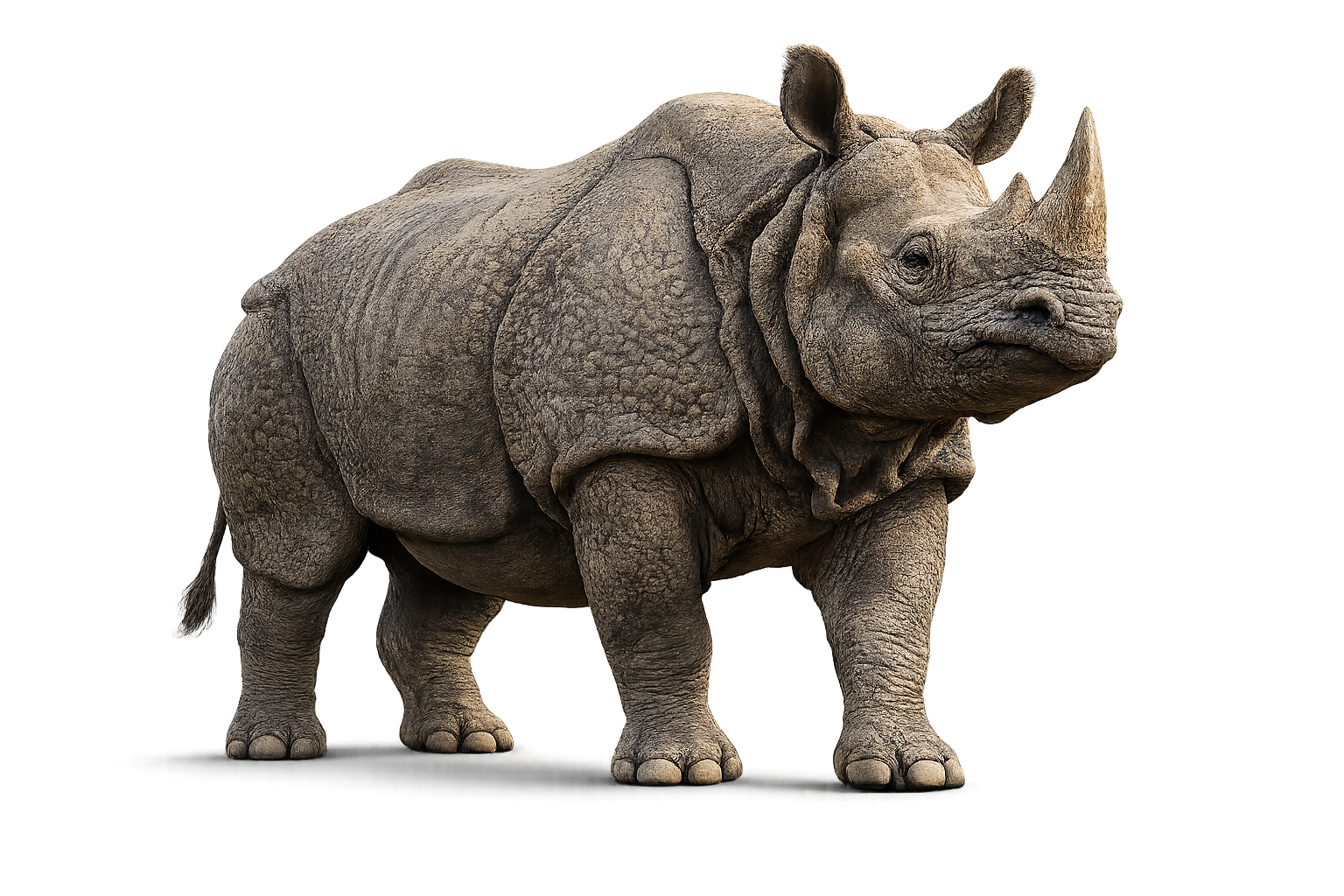
The park is home to the iconic Indian One-Horned Rhinoceros, Royal Bengal Tiger, Asian Elephant, Wild Water Buffalo and Swamp Deer — together known as the Big Five of Kaziranga. Every jeep safari here is an experience you carry long after you leave. Whether you watch a massive rhino standing in a beel at golden hour, catch a tiger slipping through the tall grass at dawn or see a herd of elephants crossing the Diphlu River in morning mist, every moment inside Kaziranga feels like the wild is showing you something truly rare.
Kaziranga sprawls across a core zone of 430 sq km, and also has a total protected area that tops 1,307 sq km. Here it feels like a breathtaking mix of grasslands, riverine wetlands and tropical forests, sort of blended together in a natural, quieter kind of way. You get this sense that the place is alive all the time, with over 480 species of birds and more than 35 species of mammals, and the wildlife density is as astonishing and rare as you’ll find in any protected area on earth.
So whether you’re a wildlife lover, a bird photographer, or a family hunting for something real and unforgettable, Kaziranga comes through every single time, no hesitation. It is not just a national park. It is a UNESCO World Heritage Site, a Tiger Reserve and living proof that conservation, when done right, can bring a species back from the very edge of extinction.

Quick Facts
Everything you need to know about Kaziranga National Park at a glance.
877.49 sq. km Buffer Zone
480+ Bird Species
50+ Reptile Species
500+ Plant Species
History of Kaziranga National Park
The story of Kaziranga National Park is not just the story about a forest, you know. It is more like the story of a species that got within touching distance, of total extinction and then, against every odd, somehow came roaring back. And then there is the floodplain—so old, so fiercely breathing, and so not replaceable at all that it ended up nudging governments, conservationists, and the entire world to stand up, and protect it, like really protect it. From an unguarded stretch of wild Assamese grassland to a formally declared reserve, from a national park to a UNESCO World Heritage Site and one of India's most celebrated tiger reserves, the whole journey of Kaziranga is probably the most powerful and quietly emotional conservation story this country has ever produced. Every single year that passed, every law that was passed, every boundary that was extended, added a new and deeply important chapter to this extraordinary, still-living story.
The Forest That Existed Long Before Anyone Thought to Protect It
The history of the Kaziranga forest goes back many centuries before anyone drew a single boundary around it. Historical records of this landscape date to the seventeenth century, when the floodplains along the southern bank of the Brahmaputra River in Assam were already known as some of the richest and most untamed wild land in the entire subcontinent. The area was home to indigenous communities, particularly the Karbi people, who had lived in natural harmony with the forest and its wildlife for generations beyond counting. They knew every beel, every patch of tall elephant grass and every seasonal flood pattern the Brahmaputra brought each year. Long before formal protection arrived, this forest was already extraordinary, with vast populations of the Indian one-horned rhinoceros, wild elephants, water buffaloes, swamp deer and tigers roaming freely across the grasslands and wetlands that the great river quietly shaped and reshaped year after year.
The Age of Hunting and the Decimation of the Rhinoceros
In the beginning of the nineteenth century, the woods around Kaziranga were still, in most part, not really disturbed by big scale human settlement. The place was well known for malaria, strange flooding patterns, and a dense, nearly impenetrable kind of wilderness, basically natural obstacles that held formal intrusion back for a long time, or so it seemed. But then, as the British colonial footprint in Assam started rising quickly, and the tea industry got bigger and more aggressive through the latter part of the 1800s, everything shifted, and in rather harmful directions. Forests were cleared for tea plantations and settlements. The culture of big game hunting embedded in British military life did the rest of the damage. Historical records show Major John Butler writing in 1855 that three soldiers routinely shot thirty buffaloes, twenty deer and one or two rhinoceroses in a single outing. By the time the twentieth century arrived, the rhinoceros population in Kaziranga had been reduced to almost nothing. The most iconic animal of this entire landscape was on the absolute edge of disappearing forever.
The Turning Point — One Woman's Concern Changes Everything
The formal conservation story of Kaziranga starts, sort of, in 1904 with the visit of Baroness Mary Victoria Leiter Curzon, the American-born wife of Lord Curzon, who was the Viceroy of India. Lady Curzon had heard talk about Kaziranga's famous rhinoceros population and she travelled to the area, almost hoping, to actually see these magnificent creatures out in the open grasslands. But she did not spot even one. What she ended up seeing were hoof marks pushed into the mud, quiet proof that the animals were disappearing fast, like in a sudden fading act. Balaram Hazarika, a well known Assamese animal tracker, guided her through the forest and somehow underlined the urgency of the situation, and how the rhinoceros was facing an impending crisis. Very moved by the whole thing she had seen, Lady Curzon told her husband to take immediate steps to guard the remaining rhino population. Lord Curzon responded without delay. On 4th November 1904, he formally proposed the creation of a wildlife reserve in Kaziranga. One visit, one woman, one conversation — and the entire future of this forest was changed.
Kaziranga Proposed Reserve Forest — The First Promise of Protection
Acting on Lord Curzon's proposal, on 1st June 1905, the Kaziranga Proposed Reserve Forest was officially created by notification of the Chief Commissioner of Assam. The initial protected area covered 232 sq km, approximately 57,273 acres of forest, grassland and wetland along the Brahmaputra floodplain. This was the very first legal promise made to protect Kaziranga and everything living inside it. From a forest freely hunted and encroached upon for decades, a boundary was finally drawn and the land inside it was given formal official protection for the first time in its history. The creation was not without resistance. Local communities objected to restrictions on their fishing, grazing and firewood rights. European tea planters protested the loss of big game hunting grounds. Despite all opposition, with the intervention of Deputy Commissioner Major A. Playfair of Sibsagar District, an additional 54.66 sq km was added to the reserve on 28th January 1913, extending the boundary toward the Brahmaputra River.
Designated a Reserve Forest — Protection Gets a Stronger Legal Footing
In 1908, Kaziranga received a more formally defined legal status when it was officially designated as a Reserve Forest under government notification. This designation brought clearer enforcement authority, firmer restrictions on human activity within its boundaries and a more structured approach to managing and protecting the land and the wildlife living across it. The Reserve Forest status was a meaningful and necessary upgrade from the loosely defined proposed reserve it had held since 1905. It marked the beginning of a more serious and committed approach to managing Kaziranga as a genuinely protected natural landscape rather than simply a piece of land set aside on paper with little practical enforcement behind it. With this designation in place, the foundations of proper wildlife conservation at Kaziranga were finally starting to take a solid and lasting shape, even if many more steps would need to follow before the forest and its animals were truly safe.
The Reserve Expands to the Brahmaputra
With the addition of 54.66 sq km of land formally approved on 28th January 1913, the Kaziranga reserve now stretched all the way to the banks of the mighty Brahmaputra River to the north. This was a critically important expansion because it sort of gave wildlife, especially rhinoceroses and elephants, access to the rich riverine grasslands along the Brahmaputra's southern edge, and that access ended up forming some of the finest grazing and wallowing habitat in the whole region. Also, the northern extension added a crucial high ground refuge for animals during the annual monsoon flooding when the lower reaches of the park go completely under water. Then, in order to survive the rising river, wildlife is pushed to move toward higher ground, pretty quickly. Overall, this expansion showed that conservation thinking in Kaziranga was getting more sophisticated, more ecologically informed and also more committed to making sure animals get the full range of habitat they actually need to persist, and thrive, through every season of the year.
Kaziranga Game Sanctuary — Hunting Banned, Visitors Welcome
In 1916, the status of Kaziranga was significantly upgraded, and it was officially redesignated as the Kaziranga Game Sanctuary. This name would stay with it until 1938. With this new designation in place, hunting was strictly and formally prohibited inside the sanctuary boundaries for the very first time, and visitors were allowed to come in and meet the wildlife in its natural habitat. Honestly, that felt like a genuinely important milestone in Kaziranga's story. For the first time, the protected area was not simply a line on a government map but a destination where people could come to watch, appreciate and connect with the wild grasslands, the beels, the elephants and the extraordinary birdlife of the Brahmaputra floodplain. The very earliest seeds of what would eventually grow into one of India's most celebrated wildlife tourism traditions were planted quietly in 1916, even if nobody fully recognised at the time what they were starting.
The Forest Opens Its Gates to the World
From 1938 onward, the Kaziranga Game Sanctuary opened its doors to visitors in a more meaningful and regular way. Wildlife tourism, in its most unhurried and natural form, began to take proper shape in these grasslands. Naturalists, British officers, tea planters and early wildlife enthusiasts sort of started filtering into the reserve, to see with their own eyes the remarkable density of rhinos, elephants and water buffaloes that had quietly come back from the near-extinction levels of the prior century. Elephant back rides through the tall grass became this defining way to experience the forest, and it later turned into the elephant safari that visitors still hold dear today. Meanwhile the outside world was slowly starting to notice what the Karbi people and the surrounding communities of Assam had already known for a long time, that Kaziranga wasn't just a forest, not really. It was one of the most extraordinary concentrations of wild life anywhere on the face of the earth. And now, finally, people could come and see it for themselves.
Renamed Kaziranga Wildlife Sanctuary — A New Identity for a New India
In 1950, in newly independent India's evolving conservation landscape, forest conservationist P.D. Stracey made a deliberate and deeply symbolic decision. He officially renamed the Kaziranga Game Sanctuary as the Kaziranga Wildlife Sanctuary, specifically to remove all association with game hunting from the identity of this protected area. The word game had always carried with it the memory of British-era sport hunting, a culture that had done enormous damage to wildlife across the subcontinent throughout the colonial period. Calling it a wildlife sanctuary wasn't just a small administrative swap, or you know, some paperwork thing. It felt like a clear and public message that basically said this land is here for the protection of its animals, and for keeping its natural ecosystem intact, not for the sport, or the whole entertainment side that hunters want. The renaming captured that bigger shift in conservation thinking that was going on across post-independence India, where wildlife was being recognized more and more as national heritage, something worth guarding for the generations that come later.
The Assam Rhinoceros Bill — Poaching Becomes a Serious Crime
In 1954, the Government of Assam passed the landmark Assam (Rhinoceros) Bill, which is basically legislation with heavy legal penalties for anyone caught poaching or hunting the Indian one-horned rhinoceros within the state. It was kind of the first moment when the rhinoceros got specific and dedicated, protection that was legally enforceable under Indian law, not just general rules. And yes, it became an important milestone in that long battle to keep this species alive. Even after that, poaching stayed stubborn and deeply frustrating in the decades that followed, mostly fueled by international demand for rhino horn, and it still throws obstacles at conservation authorities in Kaziranga even now. Still, the Rhinoceros Bill of 1954 set up the essential legal groundwork, on which every later anti-poaching effort, every wildlife protection policy, and every conservation intervention in Kaziranga would be built, together, in the years and decades that came after this piece of legislation was finally passed.
The Assam National Park Act — Laying the Legal Ground for What Comes Next
In 1968, the Government of Assam passed the Assam National Park Act of 1968, a specific piece of state legislation carefully designed to create the administrative and legal framework needed to formally declare Kaziranga as a National Park under Indian law. This act was the essential groundwork that made everything possible. It established the government structures, the legal definitions and the administrative authority that the central government would need to make an official national park declaration. It set out clearly how the land would be managed, who would be responsible for its protection and what activities would and would not be permitted within the boundaries of a formally declared national park in Assam. Without this act being passed in 1968 and the careful administrative work that followed from it, the landmark national park declaration of 1974 that gave Kaziranga its highest and most permanent level of legal protection would simply not have been achievable.
Officially Declared Kaziranga National Park
On 11th February 1974, the Government of India, officially declared Kaziranga a National Park, as if it finally had a proper name. It was the first national park in the whole state of Assam. The declared core area was 430 sq km, which was quite a leap from the original 232 sq km of the 1905 reserve. With National Park status, Kaziranga got the top level of legal cover that exists in Indian wildlife law. Pretty much any human activity inside the boundary including grazing, logging, agricultural encroachment and any form of hunting, was completely and permanently ruled out. After that, dedicated government money for conservation, anti-poaching patrols, wildlife administration and habitat upkeep started flowing into the park in ways that were not really possible before this declaration. The shift from a barely protected grassland in 1904 to a fully declared National Park in 1974, took seventy whole years, exactly. Seventy years of proposals, legislation, opposition, expansion, renaming and steady, patient and genuinely committed conservation work, all of it building toward this single landmark moment.
UNESCO World Heritage Site — The World Recognises What India Has Protected
In 1985 Kaziranga got its biggest international recognition, when UNESCO inscribed it as a World Heritage Site and that was a clear formal nod, to say the park had outstanding universal value for people and the living natural world. That UNESCO listing put Kaziranga right alongside some of the most important and truly irreplaceable landscapes on the planet, it was all about recognising the site's extraordinary biodiversity, its role as the last real safe place for the Indian one-horned rhinoceros, plus the exceptional sheer density of wildlife across its grasslands, wetlands and tropical forests, all together. And after that, the designation also pushed much stronger international attention, conservation backing and wildlife tourism toward Kaziranga, so researchers came in larger numbers, wildlife photographers and documentary filmmakers too, along with devoted nature lovers from every corner. So where once, in 1904, it was a forest where rhinos had nearly faded away completely, Kaziranga had become a place the whole world wanted to protect, to examine, to live for a while and to honour. That transformation is one of the most remarkable in the entire history of global conservation.
The Great Flood — Nature's Most Brutal Test
In 1988, Kaziranga hit one of the worst natural disasters in all of its recorded history, that year. Catastrophic flooding from the Brahmaputra River submerged about 70 percent of the park under water, and it led to devastating, heartbreaking losses across the whole wildlife community. Thirty-eight rhinoceroses were killed, and that number included 23 calves, which is just… hard to take in. More than 1,050 deer were lost, 69 wild boar too, along with three baby elephants, two tigers, and countless smaller species that simply got carried off by the floodwaters. The 1988 floods felt like a brutal reminder that Kaziranga, despite all the protection it had been given over the previous eight decades, still remained completely at the mercy of the Brahmaputra every single monsoon season. Annual flooding isn't some rare accident here. It's more like a basic piece of the ecological routine, one that has shaped this place for thousands of years, keeping the grasslands alive, laying down the fertile silt, and compelling wildlife to move toward the higher, steadier ground of the Karbi Anglong hills. And still, each year, the river takes its payment.
Floods Return, and the Brahmaputra Reminds Everyone Who Is in Charge
The years 1996 and 1998 really brought more devastating flood losses to Kaziranga, so it keeps showing that even a well protected national park can still be pretty exposed to the raw force of the Brahmaputra. In 1996, higher floodwaters ended up killing 44 rhinoceroses within the park, yes right inside the boundaries. In 1998, an unusually heavy monsoon rainfall meant parts of Kaziranga were left under six full metres of water, for quite a while. More than a square kilometre of floodplain got washed away completely, and in that grim single season an estimated 652 animals were lost. That count also included 42 rhinoceroses. During the 1998 disaster, WWF-India stepped in with material help and the Indian Army put in place elevated island refuges inside the park, to provide wildlife steadier ground when future flood events came along. After these repeated and painful episodes, Kaziranga moved toward tougher flood management protocols, better early warning systems, and the building of raised wildlife corridors that still shelter animals as they move through Kaziranga during the monsoon season each year.
A Century of Conservation — The Centenary Celebrations
In 2005, exactly one hundred years after the Kaziranga Proposed Reserve Forest was first established on 1st June 1905, Kaziranga National Park celebrated its centenary with tremendous pride and genuine, deep-felt emotion. The celebrations were held with great fanfare across the park and combined beautifully with the annual Kaziranga Elephant Festival, which has long been one of the most beloved traditions of this entire region. In a deeply moving and symbolic gesture, the descendants of Baroness Mary Curzon and Lord Curzon were personally invited to attend the centenary celebrations, honouring the extraordinary and pivotal role played by one woman's quiet concern and one viceroy's decisive action in setting this entire conservation story in motion a full century earlier. From a forest where not a single rhino could be spotted in 1904 to a national park celebrating the recovery of over 1,700 rhinoceroses in 2005 — that is what a hundred years of committed, passionate and unbroken conservation effort genuinely looks like.
Declared a Tiger Reserve — The Royal Bengal Tiger Gets Its Due
In August 2006, in recognizing Kaziranga as one of the most critical breeding habitats for the Royal Bengal Tiger across the entire country, the Government of India designated Kaziranga as a Tiger Reserve under Project Tiger. This was a landmark moment, not just for Kaziranga but for tiger conservation across India too. The Tiger Reserve designation brought dedicated funding and, in a big way, strengthened anti-poaching infrastructure, professional wildlife management systems and conservation support that was focused on protecting and raising the tiger population along with the already thriving rhino conservation programme Kaziranga had been running for over a hundred years. The results speak clearly for themselves. Today, Kaziranga holds one of the highest tiger densities anywhere in the world, estimated at 18.65 tigers per 100 sq km as per the 2024 wildlife survey, making it one of the single most important tiger habitats remaining on the face of the entire planet.
Laokhowa and Burachapori Wildlife Sanctuaries Merged Into the Tiger Reserve
In 2008, the protected landscape of Kaziranga was significantly expanded when the Laokhowa Wildlife Sanctuary and the Burachapori Wildlife Sanctuary were formally included within the Kaziranga Tiger Reserve conservation zone, enlarging the protected buffer area considerably. This expansion gave wildlife, especially tigers, elephants and rhinoceroses, more connected and ecologically safe forest land to move through freely without the constant risk of human-wildlife conflict along the reserve's outer boundaries. It also strengthened the wildlife corridors that allow animals to migrate safely between the national park and the higher ground of the Karbi Anglong hills during the monsoon flooding season every year. More than anything else, this expansion demonstrated that the commitment to growing, strengthening and future-proofing Kaziranga's protected landscape remains as active, as determined and as genuinely passionate today as it was when the very first steps toward protecting this extraordinary forest were taken back in the year 1905.
Types of Safari in Kaziranga
Choose your mode of adventure for exploring the Kaziranga wilderness.
Explore Safari Zones In Kaziranga National Park
Kaziranga National Park has four safari zones, each with its own landscape, wildlife trails and unique sighting experience, giving every visitor a completely different side of this wild floodplain.
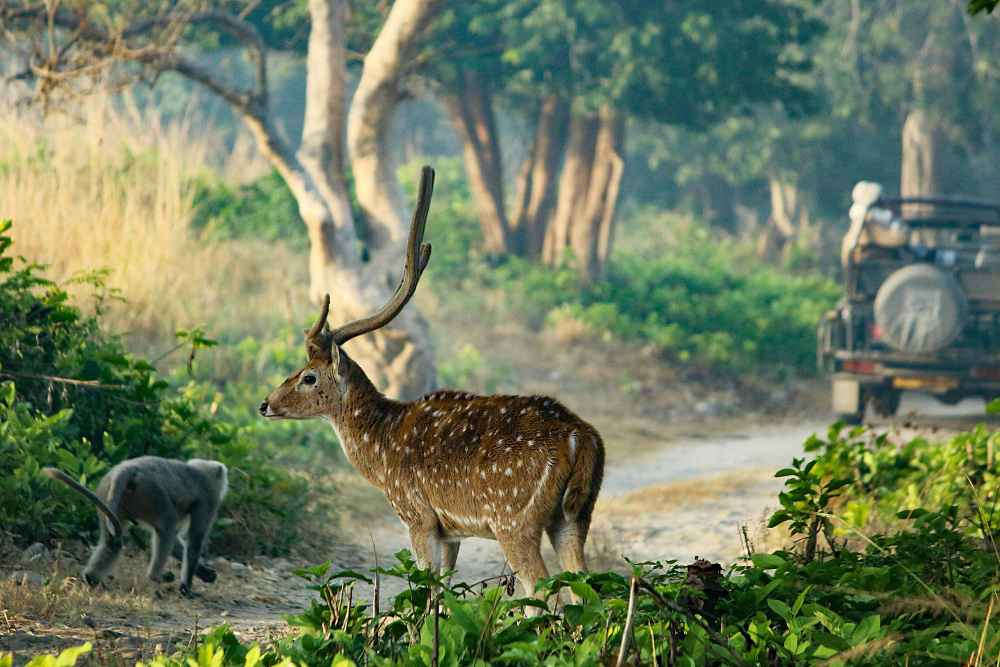
Central Zone (Kohora)
Central Zone is the most popular, and most visited safari zone in Kaziranga National Park, kinda the first choice for anyone planning a Kaziranga jeep safari. It is located at Kohora, and it sits right on NH 715, so it's pretty easy to reach from Guwahati, just about 4 hours away. The scenery here is a mix of tall elephant grass, open meadows, and shallow wetlands, and that combination makes wildlife spotting surprisingly easy.
Also, this zone has the highest concentration of Indian one horned rhinoceros across the whole park. Iconic waterholes and wide grassland stretches keep pulling in rhinos, elephants, wild buffalo and tigers. If it's your first time doing a Kaziranga National Park safari, Central Zone is where you should begin.
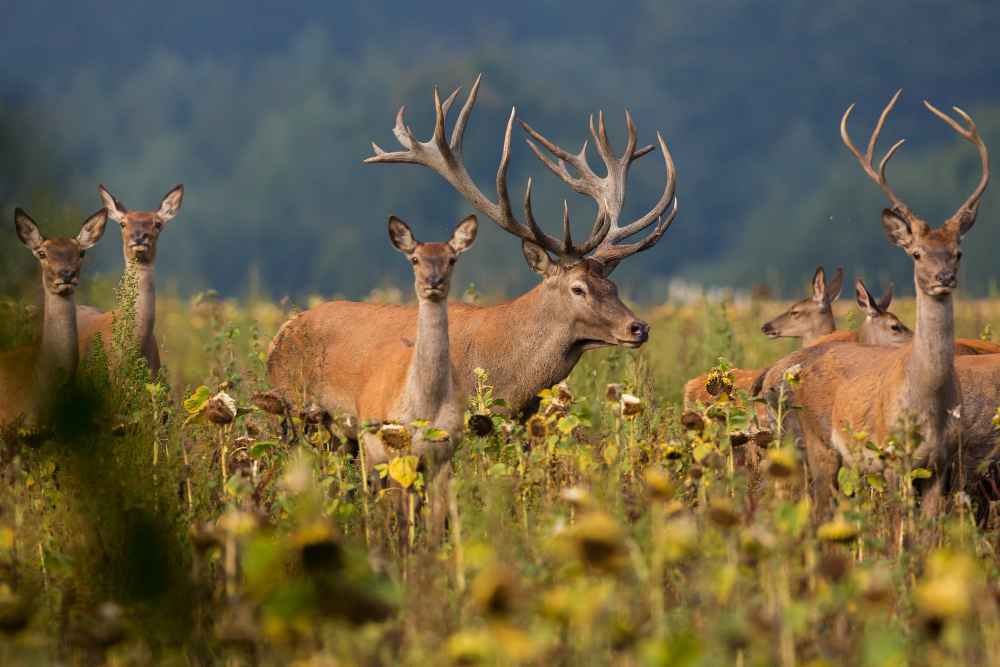
Western Zone (Bagori)
Western Zone, also known as Bagori Zone, is the second most visited safari zone in Kaziranga and somehow a strong favourite among wildlife photographers and repeat visitors. It is located close to Bagori village, roughly 10 km west of Kohora, and it is connected via NH 715 pretty nicely.
Here the land feels like a warm blend of open grasslands, dense forest patches, and big beels (wetlands) that pull in huge herds of elephants and rhinos, most noticeably during the early morning safaris. The Diphlu River runs right through this area, giving it that scenic depth and functioning as a natural wildlife corridor too. Western Zone, keep in mind, regularly brings some of the best Kaziranga wildlife sightings outside the Central Zone, for sure.

Eastern Zone (Agaratoli)
Eastern Zone, also known as Agaratoli Zone, is kinda the least crowded safari zone in Kaziranga National Park, and it's honestly a smart pick for travellers who want a peaceful, away-from-the-main-route Kaziranga safari experience. It sits about 25 km to the east of Kohora, near Sohola, and the whole place feels a bit more wild and less touched than the other zones, in a way you can really notice once you're there.
The scenery is mostly dense semi-evergreen forests, open grasslands, and bigger wetlands all together, which makes the birdlife feel extra alive. The Eastern Zone is among the best areas in Kaziranga if you're hoping to spot swamp deer, that is barasingha, and you can also expect rhinoceros elephants plus a lot of migratory birds. Tiger sightings here happen less often, but they're not unheard of.
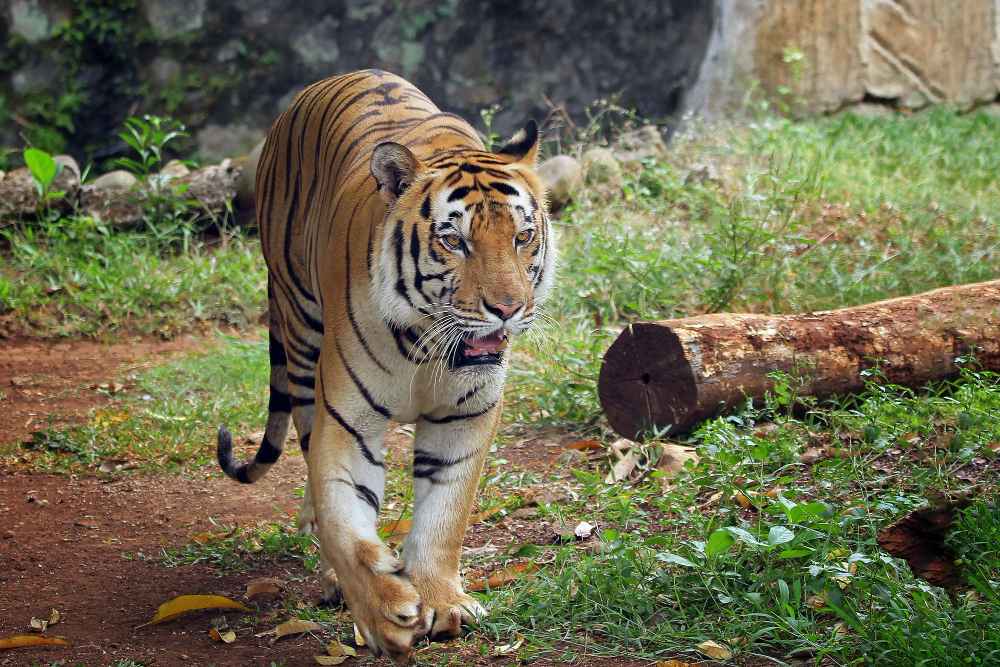
Burapahar Zone (Ghorakati)
Burapahar Zone is the most forested and hilly safari zone in Kaziranga National Park, offering a completely different landscape from the grassland-heavy zones. Located near Ghorakati on the southern edge of the park, this zone covers the Karbi Anglong hills and dense mixed forests that are home to hoolock gibbons, capped langurs, and a strong population of elephants.
Burapahar is the top zone in Kaziranga for primate sightings and forest birding. The terrain is more rugged here, making every Kaziranga jungle safari through this zone feel like a true forest adventure. Rhino density is lower here but the overall wildlife diversity is exceptional.
Best Time to Visit Kaziranga National Park
Kaziranga stays open from November to April. Each season brings a different experience, from peak wildlife sightings in winter to dramatic floods that close the park in monsoon.
Flora and Fauna of Kaziranga National Park
From vast elephant grass plains and riverine forests to one-horned rhinos and Bengal tigers, Kaziranga holds one of the most extraordinary concentrations of wildlife found anywhere in Asia.
Flora
Kaziranga National Park's landscape is defined by its tall alluvial grasslands, semi-evergreen forests, tropical moist deciduous forests, and a network of shallow lakes and wetlands shaped entirely by the annual flooding of the Brahmaputra. The park holds around 700 species of plants, including grasses, aquatic plants, orchids, ferns, and large riverine trees that form a layered, diverse ecosystem supporting an unmatched density of large mammals.
Saccharum ravennae The tallest and most iconic grass of Kaziranga, growing up to 8 feet high and forming the core habitat for rhinos and tigers.
Imperata cylindrica Short, dense grassland species that form open patches used heavily by rhinos, deer, and elephants for grazing.
Phragmites karka Found along wetland edges and beels, this grass provides cover for waterbirds and smaller mammals across the park.
Bombax ceiba The silk cotton tree, one of the most visible flowering trees in Kaziranga, with bright red blooms appearing in late winter.
Terminalia myriocarpa A tall semi-evergreen tree that dominates the forest patches of Kaziranga and provides nesting sites for large birds.
Lagerstroemia speciosa A common riverine tree found along water bodies and forest edges, important for shade and bird nesting.
Phyllanthus emblica Found across the buffer zones, used historically by local communities for food and traditional medicine.
Aquatic plants like water hyacinth, lotus, and water lilies cover large stretches of the beels and seasonal wetlands, making Kaziranga's water ecosystems as rich and productive as its grasslands.
Fauna
The wildlife of Kaziranga National Park is genuinely world-class. The park supports the world's largest population of Indian one-horned rhinoceros, around 2,600 individuals, along with over 148 tigers, 1,000 wild elephants, 1,300 wild water buffalo, and more than 480 species of birds, making it one of the most densely wildlife-populated protected areas on the planet.
Indian Rock Python, King Cobra, Indian Cobra, Rat Snake, Water Monitor Lizard, Assam Roofed Turtle, and the Gharial are all found across Kaziranga's wetlands, grasslands, and riverine forest edges.
Kaziranga National Park has records of more than 480 species of birds, so it is like one of the finest birdwatching spots you can find across all of Northeast India. You can spot the Greater Adjutant Stork, which is among the world's rarest big birds, also the Grey-headed Fish Eagle and Pallas's Fish Eagle, plus Bar-headed Goose and Brahminy Duck. If you're watching closely you might also catch the Lesser Whistling Duck, Great Hornbill, Wreathed Hornbill, Indian Roller, and even the Swamp Francolin too. In winter the beels and wetlands at Kaziranga really start to fill up, with thousands of migratory waterfowl coming from Central Asia and the Himalayan foothills. So November to February is generally the best spell for birdwatching in Kaziranga National Park.
Kaziranga also supports over 150 species of butterflies, numerous dragonfly species, and a rich freshwater fish diversity across the Brahmaputra and its connected water bodies, including the Golden Mahseer, which draws anglers to the rivers around the park's buffer zones.
How to Reach Kaziranga National Park
Kaziranga is well connected by air, rail and road, with Guwahati serving as the main gateway city for travellers arriving from across India and beyond.
By Air · Fly In
Flying into Guwahati is the easiest and most recommended way to reach Kaziranga National Park, especially if you are coming from Delhi, Mumbai, Kolkata, Bengaluru, or any other major Indian city. Lokpriya Gopinath Bordoloi International Airport in Guwahati is the closest major airport to Kaziranga, sitting around 230 km from Kohora, the main tourist hub of the park. It is a well-connected airport with direct flights from most major Indian cities and some international routes, giving you a wide choice of airlines and timings.
After landing, private taxis and resort-arranged transfers will take you to Kaziranga in around 4.5 to 5 hours via NH 27 and NH 715, passing through Nagaon. Jorhat Airport is the second option, placed around 97 km from Kohora on the eastern side, and works well for travellers visiting the Eastern Zone or coming from Kolkata on smaller regional flights.
Distance from Kohora: Approximately 230 km · Around 4.5 to 5 hours by road
Second Option: Jorhat Airport · Approximately 92 km from Kohora
Best For: Visitors from Delhi, Mumbai, Kolkata, Bengaluru and international travellers
By Train · Rail Route
Reaching Kaziranga National Park by train is a practical and comfortable option, particularly for travellers coming from Kolkata, Delhi, or other cities well connected to the Northeast rail network. Furkating Railway Station is the closest railhead to Kaziranga, around 75 km from Kohora, though train frequency here is limited.
Guwahati Railway Station is the best connected option overall, around 220 km from Kohora, with regular trains arriving from Delhi, Kolkata, Mumbai, Chennai, and other major cities via the Northeast Frontier Railway network. Nagaon Railway Station is a middle-ground option at around 65 to 80 km from Kohora, with decent connectivity and easy taxi availability onward. From all three stations, private taxis and shared cabs heading toward Kaziranga are easy to arrange, and the drives pass through some genuinely scenic Assamese countryside.
Best Connected Station: Guwahati Railway Station · Approximately 220 km from Kohora
Also Useful: Nagaon Railway Station · Approximately 98 km from Kohora
Best For: Budget travellers and visitors from Kolkata, Delhi and the Northeast rail network
By Road · Drive In
Going by car to Kaziranga National Park is, honestly, one of the more enjoyable ways to get there, with NH 27 linking Guwahati to the park along a calm and scenic road that keeps running beside the Brahmaputra for long stretches. Starting from Guwahati, the drive to Kohora is roughly 215–230 km and it usually takes around 4 to 5 hours depending on traffic, mostly around Nagaon.
If you're coming from Tezpur, Kaziranga is about 63 km away and the trip takes roughly 1.5 to 2.5 hours via Kalia Bhomora Bridge and NH 715, so it ends up being a favorite entry route for many visitors who want to pair both places in one plan. From Jorhat on the eastern side, Kohora is nearly 97 km away, and the journey takes about 2 hours through NH 715. There are also state-run buses plying between Guwahati and Kohora fairly often, while shared taxis are easy to find from Nagaon, which helps budget travellers with more affordable Kaziranga transport options.
From Tezpur to Kaziranga: Approximately 63 km · 1.5 to 2 hours
From Jorhat to Kaziranga: Approximately 99 km · Around 2 hours
Nearest Bus Stand: Kohora · Direct buses available from Guwahati and Nagaon
Route Chart
Distance guide from major cities to Kaziranga National Park (Kohora).
Do's and Don'ts
Important guidelines to follow during your visit to Kaziranga National Park.
✓ Do's Inside the Park
✕ Don'ts Inside the Park
Frequently Asked Questions
Essential information about location, safari zones, wildlife, and travel details for Kaziranga National Park.
Plan Your Kaziranga Safari & Attractions Tour
Let us craft the perfect itinerary — combining wildlife safaris with the best temples, tea gardens, riverine landscapes, and Brahmaputra experiences around Kaziranga National Park.