Home of the Hardground Barasingha
Home/ Destinations/ Tadoba National Park
Established 1955 · The Tiger Capital of India

Tadoba National Park

Where Maharashtra's oldest wilderness holds the highest tiger density in the country, deep within the Chandrapur forests of Central India.

Plan Your Safari in 30 Seconds
Overview

Tadoba National Park — India's Tiger Capital and Maharashtra's Oldest Wilderness

Tadoba is one of those wild ,kind of untamed corners of Central India that just pulls you in the moment you step inside it. Tucked away in the Chandrapur district of Maharashtra, it’s the state’s oldest and largest national park, and yeah it really lives up to that claim too. The forest feels heavy with teak and bamboo ,then it gets broken by open stretches like meadows, plus you’ve got the shimmering Tadoba Lake nearby. There’s also this raw kind of energy in the place, so every Tadoba jungle safari makes you feel like you’ve wandered into something old, almost breathing.

The park "Taru," a local deity worshipped by the Gond tribes who once called this land home, and the Andhari River that cuts through the reserve, lending its name to the buffer zone too — which is why you'll often hear it called Tadoba-Andhari Tiger Reserve. And tigers really are the heart of this place. Tadoba is known as the tiger capital of India for good reason, holding one of the highest tiger densities you'll find anywhere in the country. But it's not just about the big cats — leopards move through the undergrowth, sloth bears amble along forest trails, Indian gaur graze in the clearings, and packs of dhole chase through the golden light of early morning. It's the kind of place where every turn on a safari track could bring a story you'll be telling for years.

Spread across a total reserve area of more than 1,700 sq km, with a core zone of roughly 625 sq km and a buffer zone that runs close to 1,100 sq km, Tadoba National Park kind of offers this landscape that goes from thick teak forest into grassy meadows, and then down into riverine stretches along the Andhari. With nearly 200 species of birds, plus a genuinely abundant mix of flora and fauna, it’s a spot that really rewards patience, be it you’re waiting for that ideal tiger sighting , or simply letting time pass while the forest keeps breathing around you.

So whether you’re into wildlife photography, birdwatching, travelling as a family looking for something a bit different , or you just want a break from the constant noise of daily life, Tadoba National Park gives an experience that feels wild, unrefined, and somehow very hard to forget. It’s the type of forest that lingers in your head even after you’ve already gone.
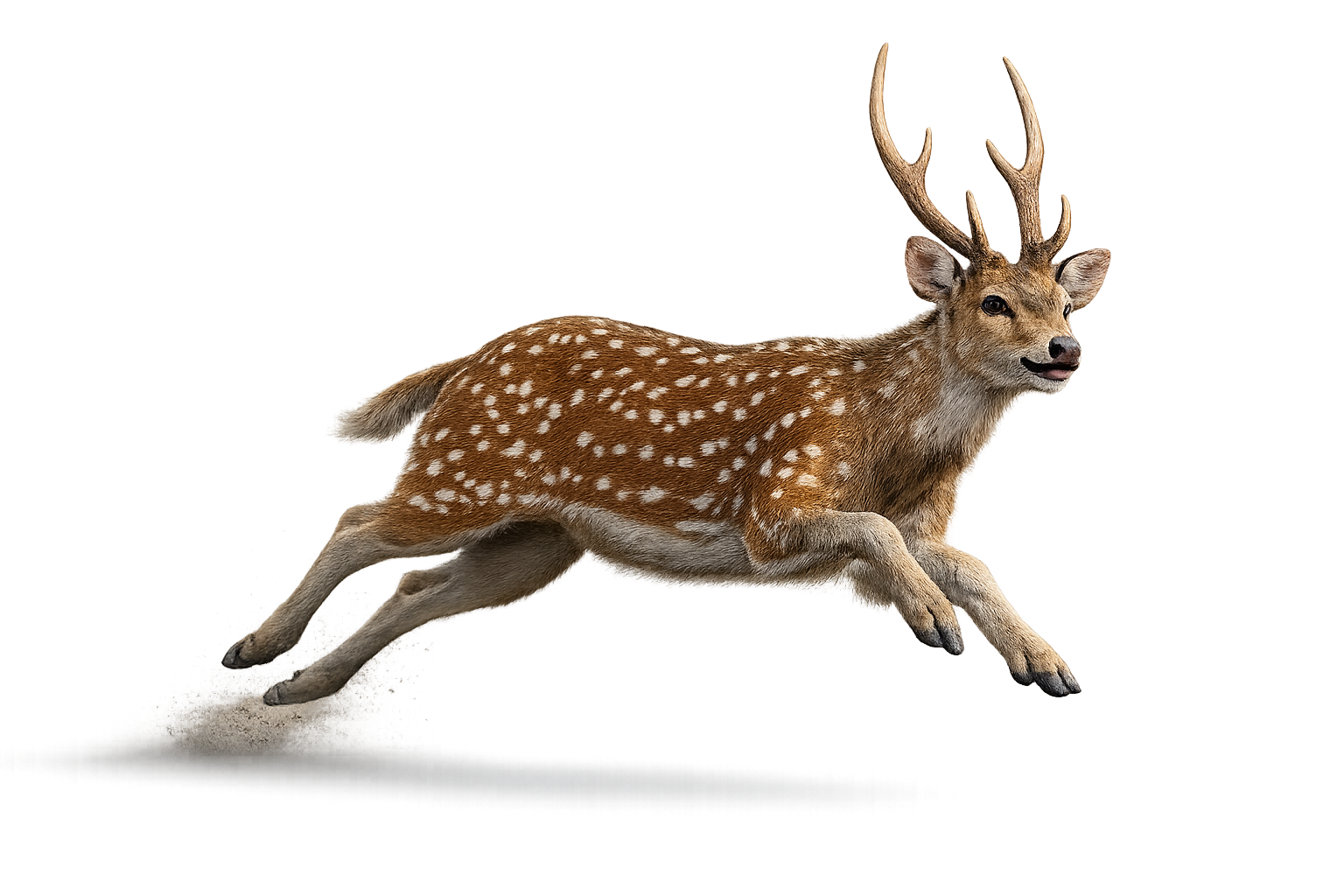

deer

Quick Facts

Everything you need to know about Tadoba National Park at a glance

Location
Chandrapur district, Maharashtra, India
State
Maharashtra
Established
1955 (Declared a Tiger Reserve in 1995)
Total Area
1,727 sq. km (Core: 116.55 sq. km, Buffer: 1,101.77 sq. km)
Also Known As
Tadoba-Andhari Tiger Reserve (TATR)
Named After
The local deity "Taru" and the Andhari River
Nearest City
Nagpur (Approx. 103 km / 3–4 hours by road)
Nearest Railway Station
Chandrapur Railway Station (Approx. 36 km)
Nearest Airport
Dr. Babasaheb Ambedkar International Airport, Nagpur
Best Time to Visit
October to June (Peak tiger sightings: April–May)
Park Timings
Sunrise to Sunset (Morning & Afternoon Safari)
Weekly Closure
Core Zones: Tuesday
Buffer Zones: Wednesday
Closed during Monsoon (July–September)
Safari Zones
Moharli, Kolara, Navegaon, Khutwanda, Pangdi, Zari & Kolsa
Safari Type
Gypsy Safari
Major Attraction
Highest Tiger Density in India
Key Wildlife
Bengal Tiger, Leopard, Sloth Bear, Gaur, Dhole, Sambar, Spotted Deer & Nilgai
Bird Species
Over 195 Species
Mammal Species
Over 30 Species
Vegetation
Southern Tropical Dry Deciduous Forest (Teak-Dominated)
Water Bodies
Tadoba Lake, Andhari River, Kolsa Lake & Irai Reservoir
Ideal Trip Duration
2–3 Days (Recommended for Multiple Safari Attempts)
Famous For
Highest Tiger Sighting Probability in India, Rich Biodiversity & Scenic Tadoba Lake
A Living Legacy

History of Tadoba National Park

Tadoba National Park's story is like an old wisdom of forests meeting today's conservation, kinda. It started with tribal respect for the land, then slowly it shifted into something bigger, becoming India’s tiger capital and you can feel it in the landscape too. Tadoba’s road, in a way, mirrors the larger wildlife protection narrative across Central India, where people learn, protect, and keep watch.

Pre-1900s

The Tribal Roots

Way before it turned into a national park, this stretch of land was basically home to the Gond along with the Kolam tribes from Central India. Local folks often say that a brave tribal chief, named Taru, kind of met his end during a brutal clash with a tiger, and afterwards the Gonds made a small shrine on the lake’s edge, like in his honour. Over time that lake got called Tadoba, and the forest all around it kept his name going as well, even long before any proper line, or formal boundary was ever set around the area.

1935

A Forest Set Aside

In 1935, the core area of what is now Tadoba was declared a protected forest, marking one of the earliest efforts in the region to set the land apart from ordinary timber and resource use. It wasn't wildlife conservation as we understand it today, but it was a beginning.

1955

Tadoba National Park Is Born

On 15th February 1955, an area of about 116.55 sq. km was officially notified as Tadoba National Park, making it Maharashtra's first and oldest national park. At this stage, the neighboring Andhari forest tract remained outside its boundary, still governed as ordinary reserved forest.

1986

Andhari Wildlife Sanctuary Declared

Recognizing the ecological value of the forests along the Andhari River, the Andhari Wildlife Sanctuary, spanning roughly 508.85 sq. km, was declared in 1986. This adjoining stretch of teak and bamboo forest would later prove critical to the park's future as a tiger stronghold.

1993

Brought Under Project Tiger

In 1993, the combined Tadoba and Andhari forests were brought under India's Project Tiger initiative, elevating the region's status from a state-protected park to a nationally prioritized tiger landscape.

1995

Tadoba-Andhari Tiger Reserve Is Formed

In 1995, Tadoba National Park and Andhari Wildlife Sanctuary were formally merged to create the Tadoba-Andhari Tiger Reserve (TATR), bringing the total protected area to over 625 sq. km at its core. This unification gave the tiger population a far larger, unbroken stretch of habitat to move, hunt and breed in.

2000s

Rising Tiger Numbers

Through the 2000s, sustained protection, relocation of villages from core forest areas, and stricter anti-poaching measures allowed tiger and prey populations to steadily recover, setting the stage for Tadoba's emergence as a serious wildlife tourism destination.

2010s

The Rise of the Tiger Capital

Camera-trap studies and tiger census reports through this decade began confirming what forest officials had long suspected — Tadoba was fast becoming home to one of the highest tiger densities anywhere in India, drawing global attention from wildlife photographers and researchers alike.

2020s–Present

India's Tiger Capital

Today, Tadoba-Andhari Tiger Reserve is recognized as the tiger capital of India, with a total reserve area exceeding 1,700 sq. km including its buffer zone. It stands as one of the country's most reliable destinations for tiger sightings, while continuing to support a rich mix of leopards, sloth bears, gaur and dhole across its teak forests and grasslands.

The Legacy Behind the Park

Taru — The Spirit the Forest Is Named After

The story of Taru remains woven into the identity of the park. The small shrine on the banks of Tadoba Lake, still visited by local tribal communities, stands as a quiet reminder that long before tigers made this forest famous, it was already sacred ground — protected not by law, but by belief.

Choose Your Adventure

Type of Safari in Tadoba National Park

Tadoba offers gypsy and canter safaris across core and buffer zones, providing thrilling and memorable wildlife viewing experiences daily.

Jeep Safari Open Gypsy

Jeep Safari

Exploring Tadoba National Park is most popular, and in many cases the preferred way, through gypsy safaris they give you this sort of flexibility, extra speed and also easier access to those narrow forest tracks where tiger sightings tend to be the most frequent. Each open-top gypsy, can take up to six guests, along with a compulsory naturalist guide and a forest guard. The gypsy safari runs in two shifts each day, morning and afternoon, and it moves across set zones such as Moharli, Kolara, Zari, and Navegaon. Since these gypsies are quite maneuverable, they can quickly reposition the moment a sighting is reported nearby, so it becomes this top choice for serious wildlife photographers, and even first-time visitors who are just getting started.

Safari Zones

Safari Zones of Tadoba National Park

Tadoba-Andhari Tiger Reserve is divided into core and buffer zones, named after the villages and forest ranges they fall under rather than numbered. The core zones lie within the original park and sanctuary boundary, while the buffer zones ring around them, offering quieter safaris with a growing reputation for sightings.

Core Zones
Moharli Zone

Moharli Zone

The Most Popular Gate

  • Core Zone

Moharli Zone

Moharli is like the busiest, most in-demand entry into Tadoba’s core, it gives straight up access to Tadoba Lake and to some of the reserve’s most lively tiger zones. You’ll also find areas that are regularly used by well-known resident tigresses, plus their little cubs, so it feels very much alive all the time. The whole setting, with dense teak forest, open grassland and waterholes, somehow keeps animal movement constant during the day. Honestly, it’s a favourite for first-time visitors who are after dependable sightings and it’s well linked by road, with solid safari infrastructure too. Because of that, it becomes the default pick for most travellers planning their very first Tadoba jungle safari, and you’ll hear it mentioned again and again.

Best For: High tiger sighting probability, Tadoba Lake views, easy accessibility Safari: Gypsy Safari and Canter Safari Season: October to June
Kolara Zone

Kolara Zone

Dense Forest and Water Points

  • Core Zone

Kolara Zone

Kolara is known for its thick teak cover and a network of natural water points that draw tigers, gaur and sambar throughout the day, especially through the peak summer months when water becomes scarce elsewhere. The zone has built a strong reputation for consistent tiger movement and is often considered one of the more scenic core areas in the reserve, with rolling terrain and dense undergrowth adding a real sense of wilderness to every safari drive here, making repeat visits genuinely worthwhile for serious wildlife enthusiasts.

Best For: Tiger and gaur sightings, dense forest scenery, summer waterhole activity Safari: Gypsy Safari and Canter Safari Season: October to June
Navegaon Zone

Navegaon Zone

Grassland and Meadows

  • Core Zone

Navegaon Zone

Navegaon really stands out because of its open meadows and those grassy patches that sort of interrupt the surrounding teak forest, creating really good conditions for seeing tigers in the open rather than them lurking behind heavy cover. It’s one of those zones where there are steady, healthy numbers of spotted deer and sambar, so predator activity stays pretty consistent across the year too. So it works well for visitors who are hoping to witness a hunt unfold, and honestly the open landscape fits wildlife photography nicely during that golden morning light, when everything looks a little more alive.

Best For: Open grassland tiger sightings, deer populations, scenic drives Safari: Gypsy Safari and Canter Safari Season: October to June
Khutwanda Zone

Khutwanda Zone

Quiet and Undisturbed

  • Core Zone

Khutwanda Zone

Khutwanda kind of gives you that less crowded “core-zone” vibe, sort of tucked away from the busier Moharli tracks that end up running the majority of tourist itineraries. The land is this mix of dense forest and smaller, natural clearings, so sightings can seem a bit more unpredictable than the more popular areas, but honestly the reduced vehicle density makes each wildlife moment feel way more personal and immersive. It’s a solid choice for travellers who like a calmer, more reflective safari, not the stress of “guaranteed” big cat photos on every single drive.

Best For: A quieter core-zone safari, undisturbed forest drives, offbeat exploration Safari: Gypsy Safari and Canter Safari Season: October to June
Pangdi Zone

Pangdi Zone

Rugged and Remote

  • Core Zone

Pangdi Zone

Pangdi gives a kinda rugged, remote atmosphere compared to the other core zones, there are rocky patches and a thicker forest cover too, all of that kinda shapes its distinct vibe. It’s a solid choice for travelers who want a real wilderness experience rather than guaranteed sightings, and in the last few seasons the zone has also seen more reports about tiger and leopard movement. The ground here asks for a bit more patience from visitors, but that patience is often paid back—those sightings feel more earned and memorable than what you get on the busier core routes close by.

Best For: Rugged terrain, leopard sightings, a remote safari experience Safari: Gypsy Safari and Canter Safari Season: October to June
Zari Zone

Zari Zone

Rich Biodiversity

  • Core Zone

Zari Zone

Zari is known for a varied habitat, going from bamboo thickets to more open patches near seasonal water spots, it kinda gives this broad mix of wildlife beyond just the resident big cats. You’ll spot sloth bears, wild dogs, and a solid number of birds too , so this area feels like a real favourite for visitors who want more than one single tiger sighting. Also the ground and terrain changes enough that each safari drive feels a bit different from the last, so if you keep returning regularly, the experience stays interesting and not repetitive.

Best For: Diverse wildlife sightings, birdwatching, sloth bear and dhole activity Safari: Gypsy Safari and Canter Safari Season: October to June
Buffer Zones
Junona Zone

Junona Zone

Rising Tiger Territory

  • Buffer Zone

Junona Zone

Junona has quickly become one of the most talked-about buffer zones in Tadoba, with regular tiger sightings that now genuinely rival some core areas of the reserve. Its mix of forest and open patches, combined with far fewer vehicles on any given drive, gives visitors a more relaxed and often surprisingly rewarding safari experience. Being open through the monsoon months when the core remains closed, Junona has also become a dependable year-round option for travellers wanting consistent wildlife activity.

Best For: Tiger sightings, uncrowded safaris, monsoon safari access Safari: Gypsy Safari and Canter Safari Season: Open throughout the year, including monsoon
Adegaon Zone

Adegaon Zone

Forest Fringe

  • Buffer Zone

Adegaon Zone

Adegaon sits along the outer fringe of the reserve, where dense forest gradually opens into agricultural land, creating an interesting transition habitat unlike the deeper core zones. This edge effect often brings wildlife closer to village boundaries, and the zone has reported steady leopard movement along with regular sightings of deer and wild boar. It's a good option for visitors curious about how wildlife and rural communities coexist along the park's protected edges.

Best For: Leopard sightings, edge-habitat wildlife, peaceful drives Safari: Gypsy Safari and Canter Safari Season: Open throughout the year, including monsoon
Agarzari Zone

Agarzari Zone

Dense Teak Cover

  • Buffer Zone

Agarzari Zone

Agarzari is kind of known for thick teak forest with not much human disturbance, so it becomes a good pick for visitors who want that truly wild, almost untouched, sort of safari drive feel. In the last few years Tiger movement here has been steadily going up, and because the cover is so dense, any sightings often feel extra sudden and dramatic, when they actually happen. Also the general quiet of this zone makes it a nice option for photographers looking to dodge the busier, crowded sighting areas, you know.

Best For: Dense forest scenery, rising tiger activity, an untouched safari feel Safari: Gypsy Safari and Canter Safari Season: Open throughout the year, including monsoon
Dewada Zone

Dewada Zone

Quiet and Offbeat

  • Buffer Zone

Dewada Zone

Dewada is one of the lesser explored buffer zones in Tadoba, where it feels calm and a bit low traffic, kinda away from the more popular circuits. The land is a mix of scrub plus mixed forest, and it supports steady numbers of chital and nilgai, plus every now and then you might catch leopards or tigers. This is the kind of place that patient wildlife watchers usually prefer, because the quieter tempo helps you notice smaller, easily missed things inside the woods, and honestly you don’t always get that elsewhere.

Best For: Offbeat safaris, low crowd density, deer and nilgai sightings Safari: Gypsy Safari and Canter Safari Season: Open throughout the year, including monsoon
Mamla Zone

Mamla Zone

Streams and Cover

  • Buffer Zone

Mamla Zone

Mamla features a landscape shaped by seasonal streams and dense undergrowth, particularly lush and green in the months following the monsoon. This combination pulls in a good mix of wildlife, and the zone has increasingly become known for leopard sightings amid its thicker, more concealed terrain. The streams also support a variety of birdlife, adding another layer of interest for visitors beyond the usual big cat focus of most Tadoba safaris.

Best For: Post-monsoon safaris, leopard sightings, dense undergrowth exploration Safari: Gypsy Safari and Canter Safari Season: Open throughout the year, including monsoon
Kolara-Chauradeo Zone

Kolara-Chauradeo Zone

Extension of Core Territory

  • Buffer Zone

Kolara-Chauradeo Zone

Sitting just beyond the Kolara core zone, Chauradeo benefits from tiger territories that naturally spill over from the core, resulting in surprisingly consistent big cat activity for a buffer area. The forest cover here is dense, with natural water points that keep wildlife active throughout the day, much like its neighbouring core zone. This makes Chauradeo a strong buffer alternative for visitors unable to secure a core-zone permit but still hoping for genuine tiger encounters.

Best For: Tiger sightings, dense forest, waterhole activity Safari: Gypsy Safari and Canter Safari Season: Open throughout the year, including monsoon
Alizanza Zone

Alizanza Zone

Rolling Terrain

  • Buffer Zone

Alizanza Zone

Alizanza offers a landscape of gentle hills and open patches, giving safaris here a slightly different scenic character compared to the flatter core zones nearby. Gaur and sambar are commonly spotted across its terrain, and tiger sightings have grown steadily as the zone gains popularity among regular Tadoba visitors. The rolling landscape also makes for particularly rewarding photography, especially during the soft light of early morning safari drives through the buffer forest.

Best For: Scenic hill terrain, gaur and sambar sightings, growing tiger activity Safari: Gypsy Safari and Canter Safari Season: Open throughout the year, including monsoon
Madnapur Zone

Madnapur Zone

Mixed Habitat

  • Buffer Zone

Madnapur Zone

Madnapur has these pockets of thick forest , alongside more open scrubland too, so it holds a wide range of wildlife beyond the usual big cat sightings most visitors sort of expect. Birdwatchers especially find the whole area rewarding, because the raptors and the woodland birds, both show up in a healthy mix and they’re recorded here pretty regularly over the year, no less. And since the habitat is kind of mixed , safari drives often produce these surprise encounters with animals you didn’t really plan for . That’s why Madnapur gets loved by naturalists who are more curious about Tadoba’s wider ecology, rather than focusing on tigers only.

Best For: Birdwatching, mixed habitat exploration, peaceful drives Safari: Gypsy Safari and Canter Safari Season: Open throughout the year, including monsoon
Shirkheda Zone

Shirkheda Zone

Uncrowded Wilderness

  • Buffer Zone

Shirkheda Zone

Shirkheda is still kind of under-visited when you compare it to the buffer zones that get all the attention, and honestly that can work in its favour for travellers looking for something quieter, more personal safari-wise. The woods feel dense , and mostly undisturbed with those occasional yet actually rewarding tiger and leopard moments , that get mentioned by repeat visitors. If you’re the type who can swap guaranteed sightings for a more real, calm jungle vibe then Shirkheda gives you one of the more genuine wilderness stays that’s left over in the Tadoba buffer belt.

Best For: Uncrowded safaris, dense undisturbed forest, offbeat wildlife encounters Safari: Gypsy Safari and Canter Safari Season: Open throughout the year, including monsoon
Palasgaon Zone

Palasgaon Zone

Open Woodland

  • Buffer Zone

Palasgaon Zone

Palasgaon has this kinda open woodland, with grassy clearings mixed in, so you get pretty good visibility, for noticing wildlife from afar across its terrain. The area kind of holds solid deer populations , and in the last safari seasons it looks like there’s been a gradual uptick in tiger sightings too. Because it stays so open, it works especially well for visitors who like scanning broad scenes for motion, so the whole safari feels a bit more steady or different, compared to the denser and more enclosed pockets of the reserve elsewhere.

Best For: Open terrain visibility, deer sightings, emerging tiger territory Safari: Gypsy Safari and Canter Safari Season: Open throughout the year, including monsoon
Belara Zone

Belara Zone

Remote and Scenic

  • Buffer Zone

Belara Zone

Belara stays a bit deeper in the buffer belt , giving a more remote and scenic spot, far away from the main tourist rush that crowds nearer to the core zones. The ground is genuinely varied, with forest patches, small water bodies, and open stretches that, together, back a diverse mix of wildlife across just about every drive. That mix , plus the low visitor count , makes Belara a pretty rewarding pick for travellers who want a slower, more discovery oriented safari experience, right down inside Tadoba’s buffer landscape.

Best For: Remote scenery, diverse wildlife, peaceful year-round safaris Safari: Gypsy Safari and Canter Safari Season: Open throughout the year, including monsoon
Kesalghat Zone

Kesalghat Zone

Water-Linked Habitat

  • Buffer Zone

Kesalghat Zone

Kesalghat benefits from proximity to seasonal water sources, which keeps wildlife activity fairly consistent even through the drier summer months when other areas grow quieter. The zone has built a reasonable reputation for leopard and gaur sightings, along with strong birdlife activity around its water-linked patches. Visitors drawn to Kesalghat often appreciate the steady rhythm of animal movement near these water points, making it a dependable buffer option throughout most of the year.

Best For: Waterhole-linked sightings, leopard and gaur activity, birdwatching Safari: Gypsy Safari and Canter Safari Season: Open throughout the year, including monsoon
Pangadi Aswal Chuha Zone

Pangadi Aswal Chuha Zone

Dense and Diverse

  • Buffer Zone

Pangadi Aswal Chuha Zone

This zone mixes thick forest cover with a truly varied wildlife foundation, from sloth bears to smaller mammals that do well in its hidden terrain and overgrown underbrush. It’s a nice pick for people wanting the broader ecology of Tadoba, not just tiger sightings, so you get a more layered animal encounter. The dense cover here also means that every safari drive carries a bit of surprise, because animals often show up quite suddenly from the thick surrounding vegetation.

Best For: Sloth bear sightings, diverse smaller wildlife, dense forest exploration Safari: Gypsy Safari and Canter Safari Season: Open throughout the year, including monsoon
Zari Peth Zone

Zari Peth Zone

Extension of Zari Core

  • Buffer Zone

Zari Peth Zone

Zari Peth extends the habitat character of the neighbouring Zari core zone into the buffer belt, maintaining similar bamboo and mixed forest cover throughout. Wild dog packs and leopards are reported here with reasonable regularity, making it a solid buffer option for visitors seeking varied sightings beyond tigers alone. The continuity with the core zone's ecology also means Zari Peth often surprises visitors with sightings usually associated with the more restricted core areas.

Best For: Wild dog and leopard sightings, bamboo forest scenery, varied wildlife Safari: Gypsy Safari and Canter Safari Season: Open throughout the year, including monsoon
Somnath Gate Zone

Somnath Gate Zone

Popular Buffer Entry

  • Buffer Zone

Somnath Gate Zone

Somnath Gate is one of the more popular and easy to reach entry points into Tadoba’s buffer zone, kind of known for giving a decent balance between infrastructure and real wildlife action. Tiger sightings there have kept growing, fairly steadily, over the last few years, so the whole area feels more active than before. The zone also gives a relaxed, well organized way to visit, for people who want buffer-zone calm without losing much on sighting chances . And because access is also quite smooth, it works well for travellers who have limited time but still want a dependable Tadoba safari experience, you know, the kind that doesn’t feel too risky.

Best For: Accessible buffer safari, growing tiger activity, balanced wildlife experience Safari: Gypsy Safari and Canter Safari Season: Open throughout the year, including monsoon
Plan Your Visit

Best Time to Visit Tadoba National Park

PTadoba National Park welcomes visitors for most of the year, with the core zones closing during peak monsoon. The right season to visit depends entirely on what kind of wildlife experience you are looking for.

October – February
Winter Season
Pleasant & Crowded · 8°C - 28°C

From October through February, the winter months bring the most comfortable and popular window to visit Tadoba National Park, and for good reason. The days stay pleasantly mild with clear skies, though early morning safaris inside the teak forest can get quite chilly, so carrying warm layers for the open-top gypsy is strongly recommended. All core zones including Moharli, Kolara, Navegaon and Zari are fully open during this period, along with the wider buffer circuit. Tadoba Lake and the Andhari River draw steady wildlife movement through the season, and migratory birds begin arriving in good numbers, making this an excellent stretch for both birdwatching and comfortable, well-rounded tiger safaris across the reserve.

Best for Comfortable Safaris, Birdwatching and Overall Wildlife Activity
March – June
Summer Season
Tiger Season · 30°C - 47°C

Summer is widely regarded as the best time for tiger sightings in Tadoba National Park, and this is exactly why the park is famous for having the highest tiger density in India during these months. As temperatures rise sharply and the dry deciduous forest sheds its cover, Tadoba Lake and other remaining waterholes become the only dependable water sources across the reserve. Tigers, leopards, gaur and deer are pushed out into the open around these points regularly and predictably, making April, May and early June the peak months for tiger sightings across all core zones. Midday heat can cross 45 degrees at times, so early morning safaris starting at first light are very strongly recommended for both comfort and the best chances of a sighting.

Best for Tiger Sightings, Leopard Sightings and Big Cat Photography
July – September
Monsoon Season
Lush and Green · 24°C - 34°C

During the monsoon season, Tadoba National Park's core zones are closed to allow the forest to regenerate and provide wildlife with a peaceful breeding environment. Even then, a few buffer zones of Tadoba-Andhari Tiger Reserve stay open for tourism during this period, like Junona, Kolara-Chauradeo and Navegaon-Ramdegi, thus gypsy safaris can go on through July, August and September. Once the first rains arrive, the dry teak and bamboo forest changes very fast, turning into a deep , lush green scenery that feels totally different from what you see in the summer months. Tiger sightings are still possible in the buffer zones during the monsoon, but they are generally less predictable than in winter or peak summer.

Best for Monsoon Safaris, Lush Green Forest Photography and Budget Travel
Biodiversity

Flora and Fauna of Tadoba National Park

Tadoba National Park hosts Bengal tigers, leopards, sloth bears, gaur and dhole amid dense teak and bamboo forests, supporting over 195 bird species and rich biodiversity.

Flora

Tadoba National Park’s forest, it kind of sits in the southern tropical dry deciduous category where trees let go of their leaves around the height of summer, more or less to conserve water, then they come back into a deep green flush once the monsoon breaks. Within the reserve, you can find a broad mixture of flowering plants, climbers, grasses, and fungi spread across the main area plus the buffer zones, so it feels lively and slightly tangled. Teak mostly runs the canopy here, but it also coexists with a set of other native species, and together they create that dense layered forest, which then helps sustain India’s topmost tiger density.

Dominant Trees
Teak · Tectona grandis The backbone of Tadoba's forest, forming continuous stretches of canopy across nearly every core and buffer zone.
Ain · Terminalia elliptica A hardy mixed-forest tree found in abundance throughout Tadoba, often growing alongside teak in denser patches.
Bija · Pterocarpus marsupium Valued for its medicinal bark and yellow flowers, this tree is scattered across the reserve and used traditionally by local communities.
Mahua · Madhuca longifolia Its flowers are a favourite food source for sloth bears, deer and langurs, and are also collected by tribal communities living around the buffer zones.
Tendu · Diospyros melanoxylon An economically significant tree whose leaves are harvested for bidi-making, commonly found across Tadoba's buffer forest.
Semal · Bombax ceiba Known for its bright red blooms in spring, standing out sharply against the dry, leafless canopy of summer.
Bamboo Found in dense clusters especially around zones like Zari and Kolara, adding a tighter, more concealed layer to the forest structure.

Medicinal plants and shrubs also grow widely across Tadoba's buffer zones, continuing a long tradition of use among the Gond and Kolam communities who have depended on this forest for generations.

Fauna

Tadoba's wildlife is defined by density — it holds the highest tiger population per square kilometre of any reserve in India, alongside a strong and varied mix of mammals, reptiles, birds and insects that make every safari here genuinely unpredictable.

Major Mammals
Bengal Tiger The undisputed star of every Tadoba safari, with the reserve recognized as India's tiger capital for its exceptionally high tiger density.
Leopard Elusive and largely crepuscular, most often spotted along the fringes of core zones like Moharli and Zari as light begins to fade.
Indian Wild Dog · Dhole Hunts in tightly coordinated packs, frequently seen chasing prey through the open teak forest during early morning safaris.
Sloth Bear Feeds on termite mounds and mahua flowers, commonly spotted around the rocky terrain of Pangdi and Kolara zones.
Indian Gaur (Bison) The world's largest wild cattle species, seen grazing in herds across the open grasslands of Tadoba's core zones.
Sambar Deer Tadoba's largest deer species and a primary prey base for tigers, usually found near Tadoba Lake and other water points.
Chital · Spotted Deer The most frequently sighted animal in the reserve, moving in large herds whose alarm calls often signal a predator nearby.
Nilgai India's largest antelope, occasionally seen wandering the quieter, more open stretches of the buffer zones.
Reptiles

Marsh Crocodile, Indian Rock Python, Indian Cobra, Russell's Viper, Monitor Lizard and several species of freshwater turtles inhabit the waters of Tadoba Lake, the Andhari River and the Irai Reservoir.

Birds – A Birdwatcher's Paradise

Tadoba National Park has recorded close to 200 bird species, including standout sightings like the Crested Serpent Eagle, Changeable Hawk-Eagle, Indian Pitta, Racket-tailed Drongo, Paradise Flycatcher and Indian Roller. Winter brings a strong influx of migratory waterbirds to Tadoba Lake and the Irai Reservoir, making the season particularly rewarding for birders exploring Central India.

Butterflies and Insects

Tadoba is also home to a wide diversity of butterflies, moths, dragonflies and other insect life scattered through its undergrowth and riverine patches — a reminder that this reserve's richness runs from the Bengal tiger all the way down to its smallest, most easily overlooked residents.

Getting There

How to Reach Tadoba National Park

Tadoba National Park is well connected by air, rail and road, making it easy to reach from major cities like Nagpur, Chandrapur and Mumbai across central India.

By Air · Fly In

Getting into Nagpur by air is honestly the most straightforward and kinda recommended way to reach Tadoba National Park, especially if you’re traveling from Delhi Mumbai Hyderabad or Bengaluru. The Dr. Babasaheb Ambedkar International Airport in Nagpur feels like the nearest airport to Tadoba, roughly 140 km away from Moharli Gate, which is one of the main entry points into the reserve. Since it’s a well-connected international airport, Nagpur also hands you the widest set of flight options, both domestic and international routes. After landing, private taxis or resort-arranged transfers will take you to the park gates in about 3 hours, via well-maintained highway roads through Chandrapur district.

Nearest Airport: Dr. Babasaheb Ambedkar International Airport, Nagpur
Distance from Moharli Gate: Approximately 148 km · Around 3 hours by road
Best For: Visitors from Delhi, Mumbai, Hyderabad, Bengaluru and international travellers

By Train · Rail Route

Getting to Tadoba National Park by train can be a practical, and also kinda cost effective option, especially if you’re coming from cities that are well connected to the central Indian rail network. In general, Chandrapur Railway Station is the most convenient railhead for Tadoba, it’s about 36 km away from the park depending on which entry gate you plan to use . Chandrapur itself stays well connected to Nagpur, Mumbai, Delhi and a handful of southern cities, so it’s a dependable choice for most travellers.

Nagpur Railway Station is the other major railhead, located around 104 km from Tadoba, and it offers considerably more frequent and long-distance train connections from across India. From both stations, private taxis are easily available for onward travel to the park.

Nearest Railway Station: Chandrapur Railway Station · 36 km from Tadoba
Best Connected Station: Nagpur Railway Station · 104 km from Tadoba
Best For: Budget travellers and visitors from major Indian cities on the central rail network

By Road · Drive In

Tadoba National Park feels pretty well connected through state and national highways, so doing a road trip here is one of the more comfortable drives across Central India. From Nagpur, the ride toward Moharli Gate is roughly 3 hours, and it usually clocks in at about 140 km, starting with smooth highway stretches then switching to forest roads as you get closer to the park. From Chandrapur, the trip is way shorter, around 1 to 1.5 hours for something like 45 to 55 km , so it ends up being the quickest entry point for people arriving by rail.

If you are going toward the Kolara or Zari core zones, you will notice the road routes split off from the main Chandrapur–Moharli highway, and that can add about 30 to 45 minutes depending on which gate you actually use . There are also regular bus services that run between Nagpur and Chandrapur to Moharli village, which is just a few kilometres away from the main gate, so overall the travel stays pretty convenient and budget friendly especially for solo travellers heading into the Tadoba-Andhari Tiger Reserve.

From Nagpur to Tadoba Moharli Gate: Approximately 155 km
From Chandrapur to Tadoba: Approximately 36 km
FFrom Mumbai to Tadoba: Approximately 807 km
Nearest Bus Stand: Moharli · 2 to 3 km from Moharli Gate

Route Chart

Distance guide from major cities to Tadoba National Park.

Nagpur 104 km
Chandrapur 36 km
Wardha 90 km
Amravati 213 km
Nashik 646 km
Aurangabad 468 km
Pune 783 km
Mumbai 807 km
Hyderabad 415 km
Raipur 311 km
Bhopal 460 km
Jabalpur 368 km
Forest Etiquette

Do's and Don'ts

Important guidelines to follow during your visit to Tadoba National Park.

Do's Inside the Park

Make sure you get a proper safari permit before you step into the park, and keep it with you the entire time. Try not to forget it even for a moment.
Help the forest stay clean, carry a litter bag with you during the safari. After the tour, dispose of every waste item properly in the dustbins that are clearly marked, not anywhere else.
Obey all park rules too, and avoid driving through forest stretches at night, this is strictly banned.
While you’re on the safari, you must go with an authorized nature guide. They make the whole wildlife trip feel more real, because they understand the park’s flora fauna and the way animals behave .
Treat wildlife with respect and keep a safe distance from all animals, because you are in their natural habitat.
Enjoy the calm sounds around you, like birdsong and forest life, instead of radios, speakers , or any other noise-making gadgets.
Wear earth-toned clothing such as khaki, olive green, brown, or other muted shades , so you don’t disturb the animals.
If you are staying in a Forest Rest House, save resources by turning off lights, fans, and water taps when they are not needed.
And before you check out of a Forest Rest House, obtain the required clearance certificate from the relevant forest authorities.

Don'ts Inside the Park

Please do not bring firearms, or any kind of weapons, into the park. If it’s inside the forest zone , carrying arms is strictly forbidden.
Avoid smoking or lighting any fires in the park, because even a small spark can cause a real dangerous forest blaze.
Visitors are not permitted to cook food or bring non-vegetarian items into the park.
Don’t play the loud music, or use transistors, tape recorders, or any other sound-producing thing, just keep it quiet.
Try not to ask your driver or guide to leave the designated safari route, because driving off-route can disturb wildlife and also damage the natural habitat.
Avoid making unnecessary noise, shouting, or blowing vehicle horns inside the park premises.
Do not enter any safari zone without a valid permit for that particular area.
Never feed, tease, or attempt to approach wild animals. Such actions are dangerous and may result in heavy penalties.
Do not try to enter restricted forest areas or remain inside the park after the permitted visiting hours.
Safari permits are non-transferable and can only be used by the person for whom they were issued. Misuse of permits is strictly prohibited.
Got Questions?

Frequently Asked Questions

Essential information about location, safari zones, wildlife, and travel details for Tadoba National Park.

Tadoba National Park is located in the Chandrapur district of Maharashtra, in Central India. It forms the core of the Tadoba-Andhari Tiger Reserve (TATR) and is Maharashtra's oldest and largest national park.

Tadoba is called the Tiger Capital of India because it holds one of the highest tiger densities of any reserve in the country, offering visitors an exceptionally high probability of spotting tigers on safari compared to most other Indian tiger reserves.

The best time to visit Tadoba National Park is between October and June. Winter (October-February) offers pleasant weather and good overall wildlife activity, while summer (March-June) is considered the peak season for tiger sightings, as animals gather around dwindling water sources.

The core zones of Tadoba are closed to tourists during the monsoon season (July-September) to allow the forest to regenerate. However, several buffer zones such as Junona, Kolara-Chauradeo and Navegaon-Ramdegi remain open for safaris throughout the monsoon.

Tadoba-Andhari Tiger Reserve is home to a substantial and growing tiger population, and while exact numbers fluctuate with each tiger census, it consistently ranks among India's reserves with the highest tiger density per square kilometre.

Tadoba's core zones include Moharli, Kolara, Navegaon, Khutwanda, Pangdi and Zari, while its buffer zones include Junona, Adegaon, Agarzari, Kolara-Chauradeo, Alizanza, Madnapur, Shirkheda, Palasgaon, Belara, Kesalghat, Zari Peth and Somnath Gate, among others.

Moharli Zone is widely considered the best and most popular zone for tiger sightings in Tadoba, thanks to its proximity to Tadoba Lake and territories used by several resident tigresses. Kolara and Navegaon zones are also known for consistent sightings.

Tadoba offers two main types of safaris — Gypsy Safari (open-top jeep, up to 6 guests) and Canter Safari (larger 20-seater vehicle). Both run in morning and afternoon shifts across designated core and buffer zones.

Tadoba National Park is accessible by air via Nagpur's Dr. Babasaheb Ambedkar International Airport (approx. 140 km), by train via Chandrapur Railway Station (approx. 36 km), and by road via the Nagpur-Chandrapur highway, with Moharli Gate serving as the main entry point.

Chandrapur Railway Station is the nearest and most convenient railhead, located approximately 36 km from Tadoba, and is well connected to Nagpur, Mumbai, Delhi and several southern cities.

Dr. Babasaheb Ambedkar International Airport in Nagpur is the nearest airport to Tadoba, located roughly 140 km from Moharli Gate and offering the widest range of domestic and international flight connections.

Besides the Bengal tiger, Tadoba is home to Indian leopards, sloth bears, Indian gaur (bison), Indian wild dogs (dhole), sambar deer, spotted deer (chital), nilgai, marsh crocodiles and close to 200 species of birds.

An ideal Tadoba trip lasts 2-3 days, allowing for multiple safari attempts across different zones and better overall chances of tiger and wildlife sightings.

Core zones remain closed every Tuesday, buffer zones are closed every Wednesday, and the entire park is closed to tourists during the monsoon months (July-September).

Tadoba is frequently ranked among the top tiger reserves in India for sighting probability due to its exceptionally high tiger density, making it a strong choice alongside reserves like Ranthambore, Bandhavgarh and Kanha for serious wildlife photographers and first-time visitors alike.

Tadoba-Andhari Tiger Reserve spans a total area of approximately 1,727 sq. km, including a core zone of around 625 sq. km and a buffer zone of about 1,101.77 sq. km.
Start Your Tadoba Journey

Plan Your Tadoba Safari & Attractions Tour

Let us craft the perfect Tadoba itinerary — combining thrilling wildlife safaris with scenic nature trails, the famous Tadoba Lake, the Andhari River, Telia Lake, and unforgettable experiences around Tadoba National Park.

Tiger