Attractions · Jim Corbett
Home/ Attractions/ Ranthambore National Park
10+ Attractions · Temples · Lakes · Adventures

Top Attractions Near Ranthambore

Ranthambore is more than just tigers. From ancient forts and sacred temples to river safaris and royal stepwells — every corner around the reserve holds a story waiting to be discovered.

Plan Your Safari in 30 Seconds
Overview

Top Attractions Ranthambore National Park

Ranthambore National Park is known for its tigers, yes, but the land around the reserve has this other, almost unspoken world that most visitors just never really get to look at. If you’re driving a little from Sawai Madhopur, you can reach a 10th-century fort that seems to rise straight out of the green, sacred temples sitting on rocky ledges, old stepwells laid out by Rajput rulers, and then, the clear, calm Chambal River where you can do boat safaris that feel totally unlike anything else up north.

Here in Rajasthan, history and wildlife mix together in a way that is honestly quite rare. A visit to Ranthambore isn’t only a safari, it is more like a path through centuries of royal legacy, daily traditions that are still alive, and that kind of natural beauty you don’t forget. So if you have a spare afternoon between game drives, or even one extra day to wander, the sights around Ranthambore are going to pay you back for every hour you give them, even the quiet ones.

Must-Visit

Top Attractions

Tigers, forts, rivers, and temples — Ranthambore packs centuries of history and extraordinary wildlife into one unforgettable destination.
Ranthambore Fort
~700 ft Elevation
Built in 944 AD

Ranthambore Fort

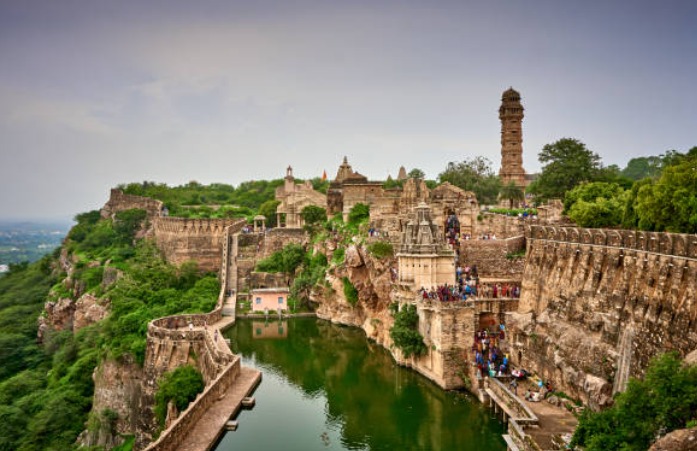
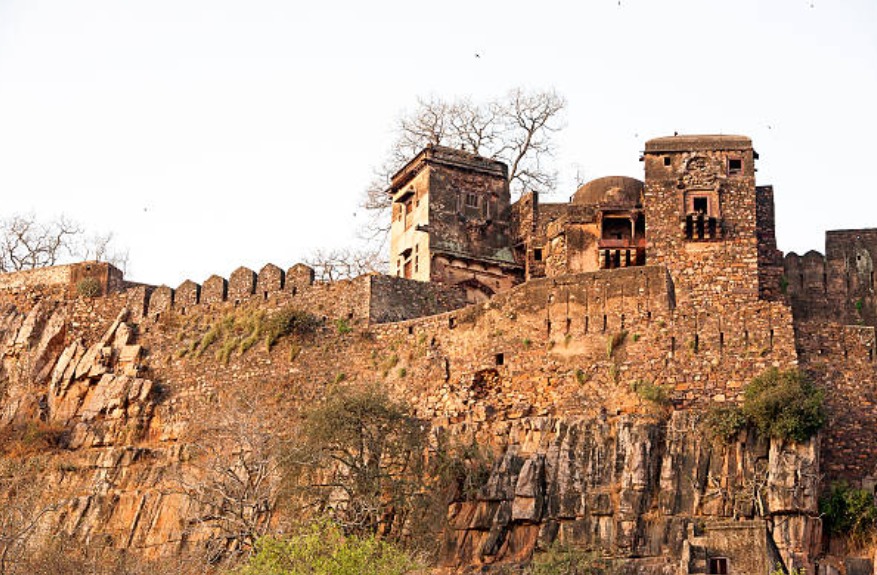
Ranthambore Fort is kinda the heart of this whole region, a massive 10th-century fortress that climbs about 700 feet above the forest floor, put up by King Sapaldaksha of the Chauhan dynasty, in 944 AD. What makes it really stand out is that it’s sitting right inside a working tiger reserve, so it’s one of those very few UNESCO World Heritage Sites on earth where a Royal Bengal Tiger can move through the same stone gateway a Mughal emperor once used. The fort changed hands via Rajput rulers, the Delhi Sultanate , and then Mughal Emperor Akbar before it finally fell into the control of the Maharajas of Jaipur.

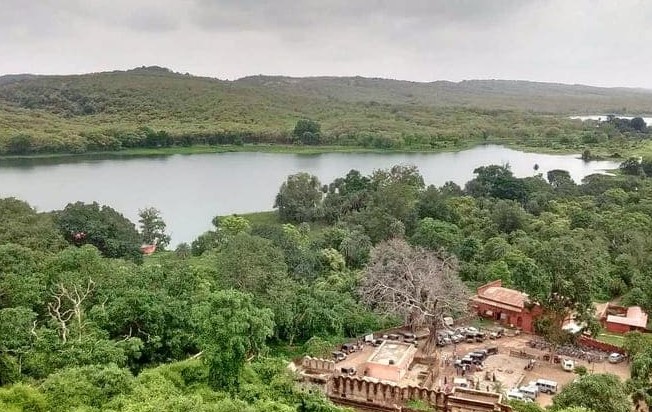
Nowadays langurs are zipping around on its crumbling battlements, peacocks perch on ruined parapets, and when you look out over Padam Talab plus the wider forest, the scenery feels unreal, honestly. Going there, either before or after your safari, adds this layer of old stories to Ranthambore that no other tiger reserve in India quite matches.

Historic Fort UNESCO Heritage Tiger Reserve
Trinetra Ganesh Temple
Inside Ranthambore Fort
Three-Eyed Ganesha

Trinetra Ganesh Temple

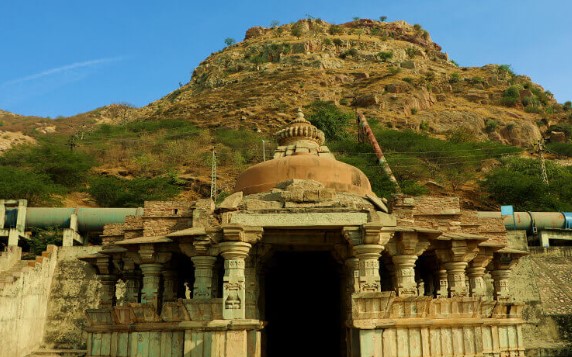
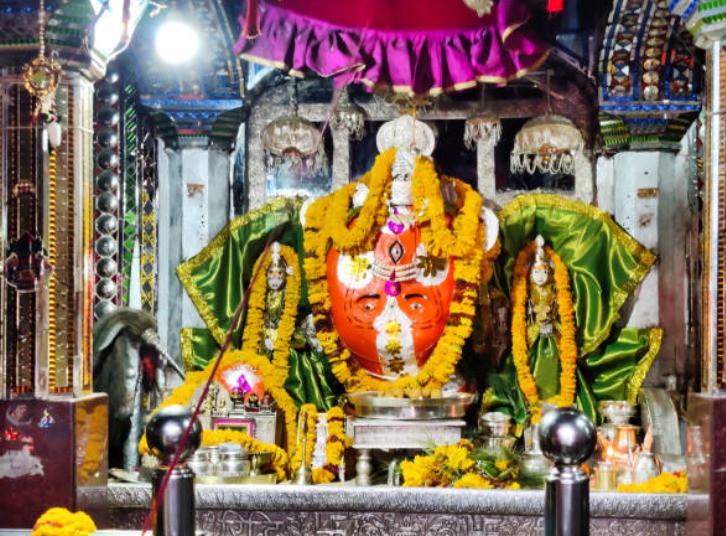
Sitting high within the walls of Ranthambore Fort, the Trinetra Ganesh Temple is one of the most sacred and most visited temples in all of Rajasthan. What makes it extraordinary is the idol itself — Lord Ganesha depicted here as Trinetra, or three-eyed, which is believed to be exceptionally rare and seen at very few temples anywhere in the country. Legend says the temple was built by the Rajput king Hammir Dev after Lord Ganesha appeared to him in a dream during a prolonged siege and assured him that his food stores would be replenished. True to the legend, the siege ended miraculously the next morning.

The temple is especially famous for a unique tradition where newly married couples and families across Rajasthan send their wedding invitations here, placing them at the deity's feet to seek his blessings for a blessed married life. Five aartis are held daily, and during Ganesh Chaturthi, lakhs of devotees make the climb to the fort.

Religious Site Inside the Fort Cultural
Padam Talab
Largest Lake in Park
Best for Tiger Sightings

Padam Talab

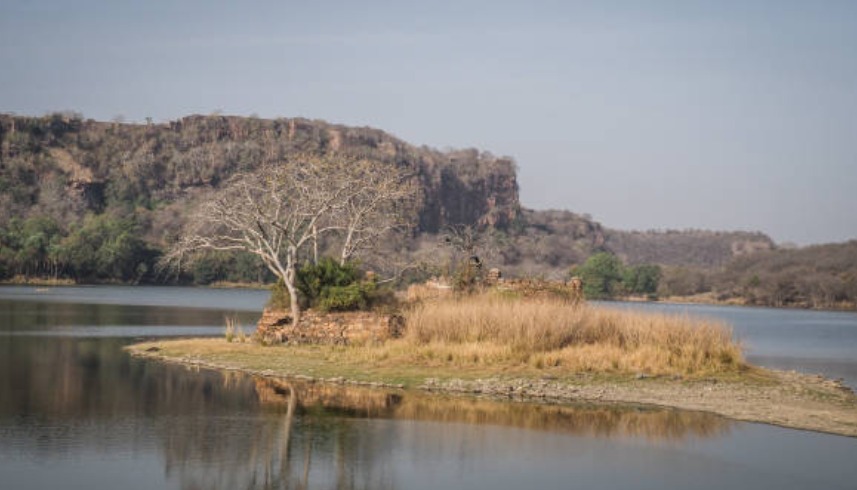
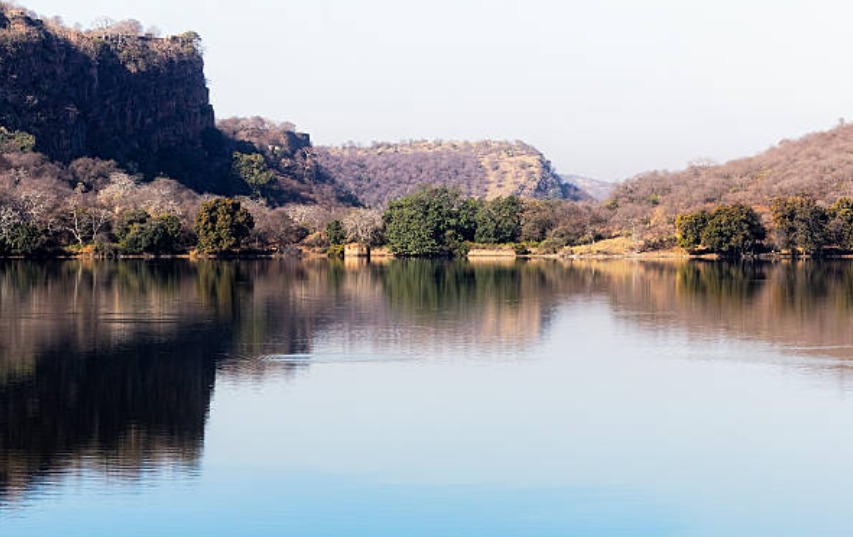
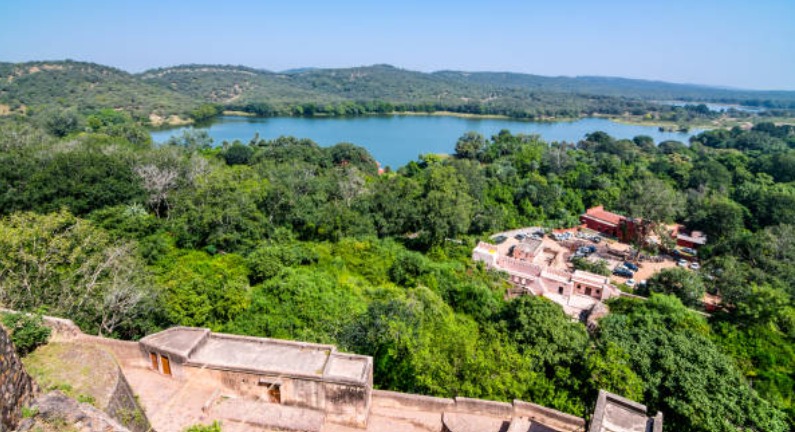
Padam Talab is, kind of the largest lake inside Ranthambore National Park and honestly one of the most photographed wildlife spots across all of India. It got its name because of the abundance of lotus flowers, padam in Hindi, that cover its surface when the timing is right, so you end up with this naturally dramatic view, anywhere you look in Rajasthan. In summer when the water sources in the woods begin to shrink, tigers, sambar deer, chital and marsh crocodiles move toward the more open shores of Padam Talab, turning it into the single best place inside the park for long wildlife watching sessions.

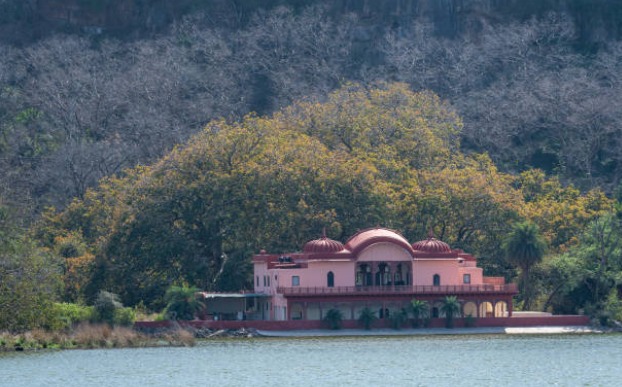
The old Jogi Mahal hunting lodge sits directly on the edge of the lake and not far away one of the biggest banyan trees in India spreads out its massive canopy. Early morning safari light across the water, and with the Ranthambore Fort sitting on the ridge above, makes imagery that photographers often travel thousands of kilometres just to catch.

Largest Lake Wildlife Spotting Photography
Raj Bagh Ruins & Raj Bagh Talab
Between Two Lakes
Prime Tiger Spot

Raj Bagh Ruins & Raj Bagh Talab

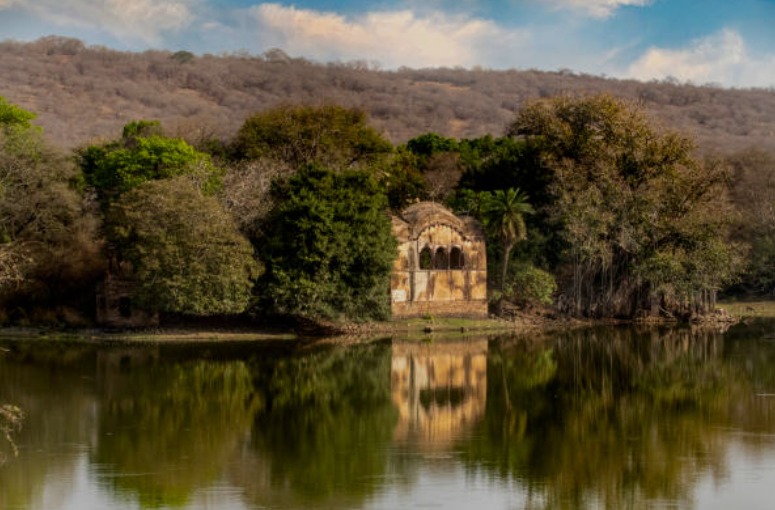
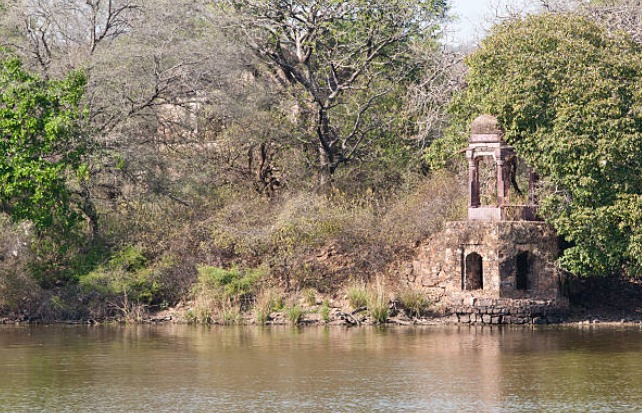
Among all the eerie, moody corners inside Ranthambore National Park, the Raj Bagh Ruins feel the most cinematic, like almost staged. They sit kinda between Padam Talab and Raj Bagh Talab, and what’s left here are those crumbling stone leftovers from old palace outbuildings, domed little pavilions, arches and even steps, now slowly getting taken back by the forest—vines trailing over the stonework and roots nudging through mortar, while the quiet is only interrupted by birdsong , and sometimes the sharp alarm call of a sambar. Tigers, if you’re lucky, regularly lie down in the shade of these ruins in the thick of the day. And that mix of old rock, calm water, plus a big cat resting among broken structures is pretty much the picture people associate with Ranthambore in wildlife photography.

Raj Bagh Talab itself is often considered the prettiest of the park’s three lakes. It pulls in plenty of waterbirds alongside the typical sightings, like deer and crocodiles, that make this stretch reliably rewarding for anyone watching wildlife.

Ancient Ruins Tiger Territory Photography
Jogi Mahal
Zone 3 Landmark
On Padam Talab

Jogi Mahal

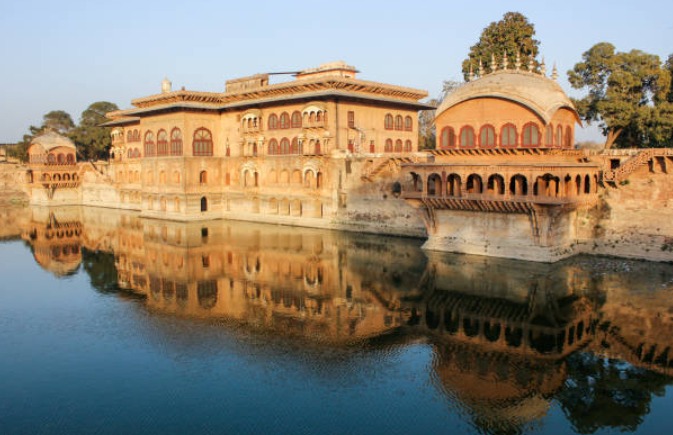
Jogi Mahal is arguably the most iconic single structure in Ranthambore National Park, and if you’re visiting for a safari in Zone 3, it becomes this sort of must-see landmark, like you can not really miss it. It was built at first as a royal hunting lodge for the Maharajas of Jaipur, and today that modest heritage building sits right on the bank of Padam Talab, with the whole place framed by the truly extraordinary canopy of one of India’s largest banyan trees. The tree by itself is worth the whole detour, its sprawling aerial roots and huge spread make this natural cathedral of branches feel ancient, and also, kind of completely out of this world.

And then you have those reflections—Jogi Mahal and the banyan tree mirrored on the calm surface of Padam Talab at sunrise—these are among the most painted and photographed moments in Indian wildlife tourism. The lodge itself, though, is no longer available for public stays or accommodation. Still, the surroundings during a morning safari, where you might spot wildlife moving around the lake, see the fort walls up above, and feel how centuries of history are layered into the landscape, is honestly a memory you don’t forget.

Heritage Lodge Banyan Tree Zone 3 Safari
Kachida Valley
Outer Park Zone
Leopard & Sloth Bear

Kachida Valley

Kachida Valley is on the outer edges of Ranthambore National Park, and its rugged rocky vibe makes it feel quite diferent from that open lake and fort scenery most visitors sort of imagine when they come to the reserve. There are low hills, scattered rocky outcrops and thorny scrub everywhere, so it forms this broken, sheltered kind of terrain, which leopards seem to like much more than the open grasslands and lake side areas where tigers tend to keep their ground. Honestly, Kachida Valley is often spoken of as one of the better places in the Ranthambore region for leopard sightings, and sloth bears are pretty regularly seen too, hanging around the boulders and steeper rocky slopes.

The valley is also home to wild boars, chinkara, striped hyenas, and there’s a decent variety of birds that prefer the drier, hillier sort of habitat. So for visitors who already did the core zones and the well known lakes, a drive through Kachida Valley gives a wildlife encounter that feels genuinely alternative and, in a way, a bit wilder… in a landscape that seems far away from the more touristy corners of the park.

Leopard Territory Rocky Terrain Offbeat
Surwal Lake
~20 km from Sawai Madhopur
No Safari Permit

Surwal Lake

Roughly 20 km from Sawai Madhopur, Surwal Lake feels like one of those quiet little gems in the whole Ranthambore area, somehow peaceful and still underrated at the same time. And it is different from the lakes that sit inside the national park , because Surwal is reachable without any safari permit. So for late evenings or those early morning hours when the park safaris are not operating , it becomes a really solid choice.

In winter the place changes , turning into one of the best birdwatching points across eastern Rajasthan. You’ll see thousands of migrating birds arrive, flamingos included, along with painted storks, pelicans, spoonbills, plus a broad mix of waders and waterfowl that travel in from Central Asia and Europe. The nearby terrain stays calm, mostly undisturbed, which makes it suited for slow nature strolls and photography right around sunrise and sunset. Honestly, most people who visit Ranthambore never get around to Surwal Lake, and maybe that’s why it feels so special—like a rare, completely quiet meeting with birds and the natural world , away from that organised rush you get on the safari circuit.

Birdwatching No Permit Needed Hidden Gem
Chambal Boat Safari
Chambal River
Gharial & Dolphins

Chambal Boat Safari

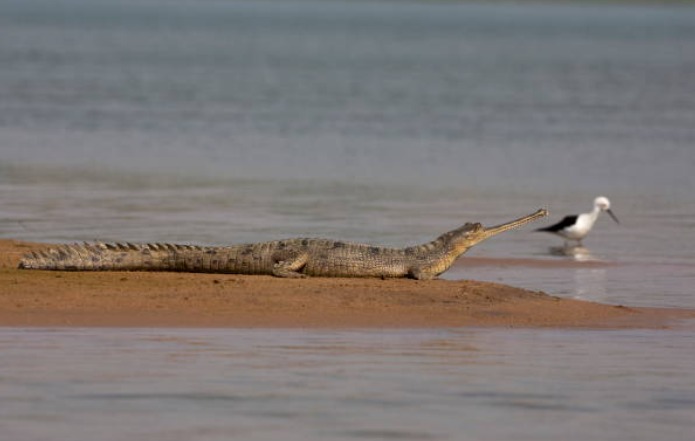
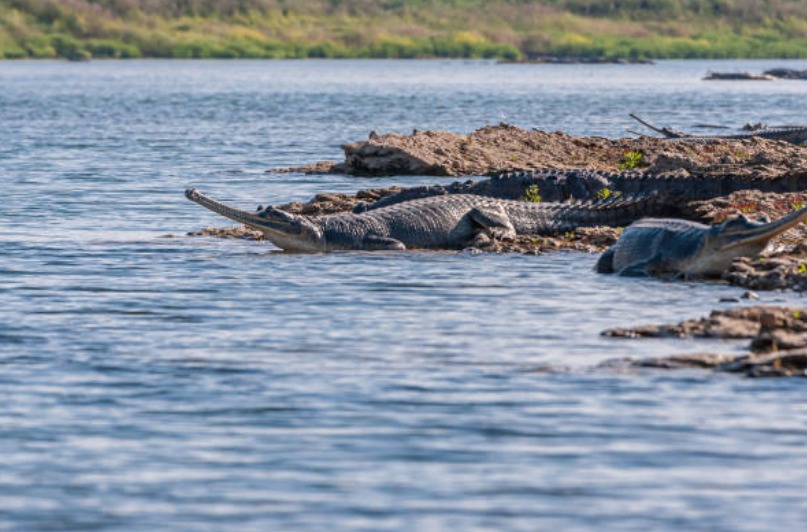
A short drive from Ranthambore and suddenly you’re at the Chambal River, one of India’s cleaner and least bothered waterways, winding through dramatic ravines on the Rajasthan-Madhya Pradesh boundary. The Chambal Boat Safari is honestly one of the more rewarding wildlife days in North India, and it really feels not like the typical jungle safari… it’s calmer, quieter, almost like the whole activity is happening on the water rather than inside the forest. As the boat glides, you might see the critically endangered Gharial resting on sandy banks next to Mugger Crocodiles, plus the rare Gangetic River Dolphin surfacing out in the middle. You can even catch Indian Skimmers, cutting along the water surface with an almost uncanny accuracy.

More than 300 bird species have been logged along the Chambal, and in winter, big flocks of migratory waterfowl arrive and fill the banks. Put together, the open vistas, the clean current, and the truly uncommon wildlife makes the Chambal Boat Safari a must, for anyone folding nature lovers and wildlife photographers into a Ranthambore plan.

Boat Safari Rare Wildlife Birdwatching
Rajiv Gandhi Regional Museum of Natural History
~9 km from Sawai Madhopur
~1 Hour Visit

Rajiv Gandhi Regional Museum of Natural History

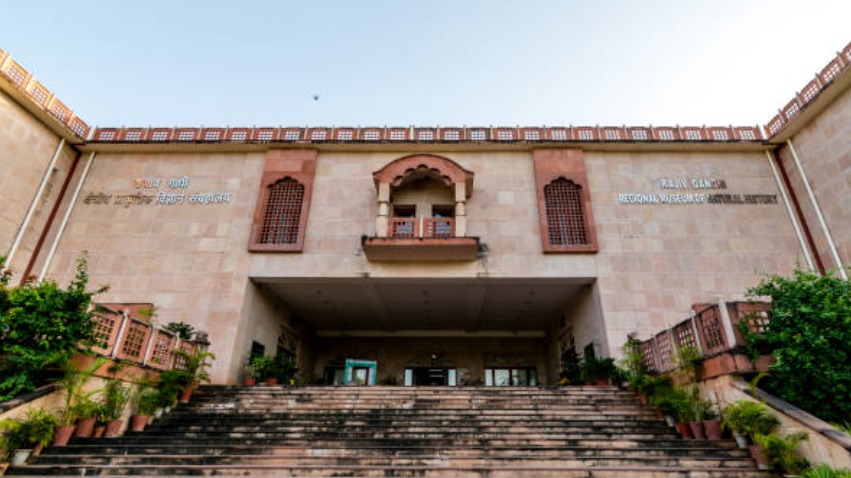
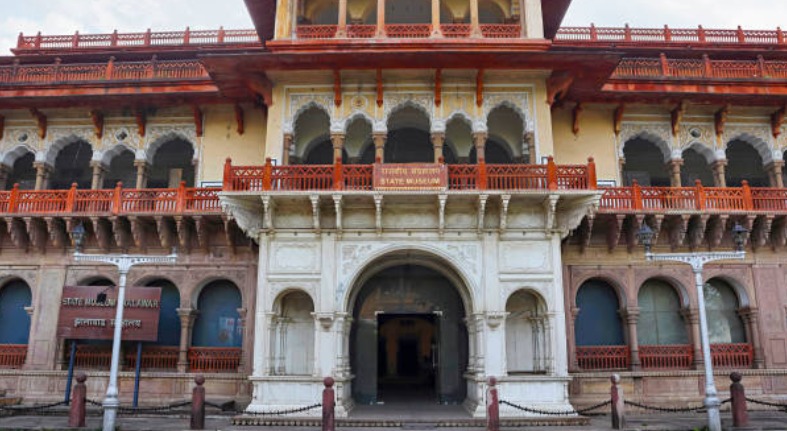
So it’s located in Ramsinghpura village , around 9 km from Sawai Madhopur, and the Rajiv Gandhi Regional Museum of Natural History is basically one of just four regional natural history museums in India. In practice it brings a sort of genuinely enriching layer to a Ranthambore trip, particularly if you’re travelling with kids, or if you’re first time wildlife folks.

The museum has well curated galleries that go through plant life, wildlife, geology, and the ecological systems of western India, but in a way that feels easy to grasp and also kind of interesting. The displays are made to spark real appreciation for the biodiversity you can see in and around the Ranthambore Tiger Reserve. There are also detailed exhibits on Bengal tigers, marsh crocodiles, migratory birds and the dry deciduous forest system, so visitors can understand what they are looking at, and why it matters, before or after their safari. The museum is thoughtfully presented and takes around an hour to explore fully, making it a worthwhile half-morning addition between two safari slots.

Natural History Family Friendly Educational
Dastkar Ranthambore
Near Sawai Madhopur
Women Artisans

Dastkar Ranthambore

Dastkar Ranthambore is one of those rare places that manages to be genuinely moving in the middle of a wildlife trip. A non-profit artisan centre based near Sawai Madhopur, Dastkar works directly with local women from villages around the forest, training them in traditional crafts including block printing, embroidery, patchwork, and textile design — skills that give women an independent livelihood and help reduce the pressure on the forest for survival. Visitors can walk through the working centre, watch artisans at their craft, and buy directly from the makers, ensuring that money goes straight to the families who made the pieces.

The work is genuinely beautiful — rooted in Rajasthani tradition but with a freshness that makes it feel contemporary rather than purely souvenir-like. For travellers who want their Ranthambore visit to leave something positive behind beyond tiger photographs, a stop at Dastkar is one of the most meaningful things you can add to your itinerary.

Artisan Craft Social Impact Cultural
Activities

Things to Do in Ranthambore

Ranthambore is wilder than you think. Beyond the tiger safari, an ancient fort, sacred temples, river dolphins, tribal crafts, and starlit jungle nights are all waiting to be explored.

Jeep Safari (Wildlife Safari)

The open-top Gypsy safari is the heartbeat of any Ranthambore trip. Six seats, one expert naturalist guide, and ten zones of dry Dhok forest, ancient lakes, and crumbling ruins — all shared with tigers, leopards, sloth bears and marsh crocodiles. No experience in Indian wildlife compares to this.

Canter Safari

If jeep permits are sold out or you are travelling in a bigger group, the 20-seater open Canter safari covers the same zones and the same forest tracks at a more relaxed pace. A brilliant, affordable introduction to Ranthambore's wildlife for families, school groups and first-time visitors.

Visit Ranthambore Fort

Climb to one of Rajasthan's most dramatic UNESCO World Heritage Sites — a 10th-century fort standing 700 feet above tiger territory. Walk through ancient gateways, ruined palaces, and centuries-old stepwells while langurs watch from the battlements and the entire forest stretches out silently below you.

Trinetra Ganesh Temple Darshan

Begin or end your Ranthambore trip at this sacred three-eyed Ganesha temple perched inside the fort walls. Five daily aartis fill the air with devotion, and the tradition of posting wedding invitations to the deity makes this one of Rajasthan's most spiritually distinctive and emotionally warm temple experiences.

Chambal Boat Safari

Trade the jungle track for river water and glide silently along the Chambal — one of India's last pristine rivers. Spot Gharial, Mugger Crocodiles, Gangetic Dolphins and Indian Skimmers from the boat. The Chambal's dramatic ravine landscape and rare wildlife make this an unmissable addition to your itinerary.

Birdwatching at Padam Talab & Surwal Lake

Ranthambore records over 300 bird species. The three core lakes — Padam, Raj Bagh and Malik Talab — attract Painted Storks, Kingfishers and Crested Serpent Eagles year-round. Surwal Lake, 20 km away, draws thousands of migratory flamingos and pelicans in winter, making it a paradise for birders and photographers.

Wildlife Photography

Few places on earth offer a tiger walking past 10th-century ruins reflected in still water — Ranthambore does. The open terrain, reliable sightings near the lakes, golden morning light and dramatic fort backdrops make this the single most rewarding destination for wildlife photography anywhere on India's tiger circuit.

Explore Raj Bagh Ruins

Walk through centuries of silence inside the crumbling palace pavilions, stone arches and vine-draped domes of Raj Bagh. Tigers regularly rest in the shade here. The ruins sit between two beautiful lakes, creating a haunting, cinematic setting that feels more like a film location than a real jungle corner.

Nature Walk & Village Safari

Step outside the park for a guided nature walk through the villages and farmland that border the buffer zone. Meet local Gurjar and Meena communities, learn how they coexist with tigers and leopards, and discover the human story behind one of India's most successful conservation landscapes.

Visit Dastkar Ranthambore

Help support a real, community driven initiative at Dastkar's artisan centre, where women from villages that sit around the forest craft amazing block-printed textiles, embroidered fabrics, and finely made handcrafted products. Wander through the space, buy straight from the makers themselves, and take home something that truly matters, it helps local livelihoods a lot, and supports forest conservation too—well beyond just your safari experience.

Ranthambore School of Art

A short drive from Sawai Madhopur station, this remarkable painting school trains local youth to create vivid, detailed artwork of tigers and jungle wildlife. Visit to watch artists at work, buy an original tiger painting as a meaningful souvenir, and support one of the region's most creative conservation initiatives.

Rajiv Gandhi Regional Museum of Natural History

One of only four such museums in India, this well-presented natural history museum near Sawai Madhopur is a perfect pre-safari stop. Exhibits on Bengal tigers, dry deciduous ecosystems, reptiles and migratory birds give context to everything you will see inside the reserve, making your safari dramatically more rewarding.

Sunset at Surwal Lake

Drive 20 km from Sawai Madhopur and spend an evening at the calm, crowd-free shores of Surwal Lake as the sky turns gold. Migratory birds settle on the water, the light softens across the surface, and the stillness after a day of safari excitement feels genuinely restorative and beautiful.

Bonfire & Stargazing Night

After the evening safari, most resorts around Ranthambore offer open-air bonfire evenings under some of Rajasthan's clearest night skies. Far from city light pollution, the stars above the forest are extraordinary. Share tiger stories from the day's safari, savour local Rajasthani food, and let the jungle night settle in.

Places to explore

Nearby Places from Ranthambore National Park

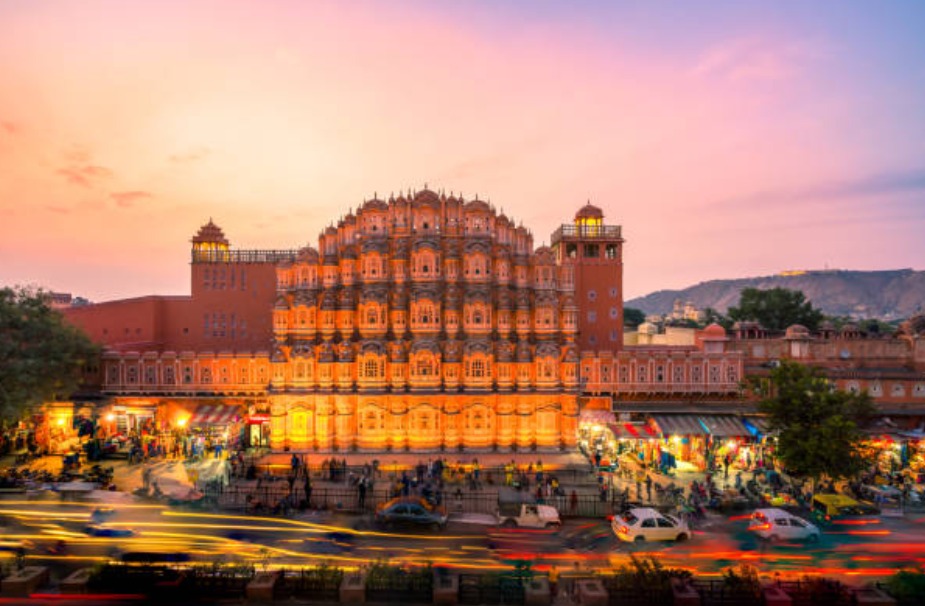
There is a whole world beyond the tiger. Ranthambore sits at the heart of Rajasthan's finest — royal cities, sacred rivers, ancient temples, and wildlife reserves all within a comfortable drive.
Waterways

Rivers In & Around Ranthambore National Park

Where rivers meet the wild. The waterways around Ranthambore are not just scenic — they are lifelines for gharials, dolphins, crocodiles, and hundreds of bird species found nowhere else in Rajasthan.

Chambal River

The Chambal is, sort of, the crown jewel of Ranthambore’s river scene — one of India’s last genuinely unpolluted rivers, drifting through dramatic ravines on the Rajasthan–Madhya Pradesh border. It’s home to Gharial, Mugger Crocodiles , Gangetic River Dolphins and Indian Skimmers. The Chambal Boat Safari from Pali Ghat feels like a singular wildlife experience , nothing quite like what you’d get inside the national park itself.

Banas River

The Banas is the longest river running, entirely within Rajasthan, it starts from the Aravalli ranges and then goes on through the wider Ranthambore scene before it finally merges with the Chambal close to Rameshwar Ghat. Along the river and on its banks there are solid numbers of marsh crocodiles plus a variety of waterbirds, and the Rameshwar junction, where the Banas, Chambal and Seep all meet, is viewed as one of the most hallowed river crossings in the whole state.

Mej River

The Mej River winds through rugged hills, to the east of Ranthambore, kind of draining into the Chambal system once it has gone past broad areas that stay mostly untroubled forest and scrubland. It’s a smaller, less-talked-about watercourse, that still helps make up the bigger water web, which is what keeps wildlife going around the tiger reserve. Crocodiles often sprawl and warm up along its calmer bends, and the river stretch also becomes a key, seasonal passageway for tigers, leopards and deer moving across the region.

Why These Rivers Matter

The Lifelines of the Ranthambore Ecosystem

The rivers across Ranthambore National Park are more than pretty little streams— they kind of act like the lifeline, for the whole ecosystem. These water sources provide a vital supply of drinking water for Bengal tigers, leopards, sloth bears, sambar deer, nilgai, crocodiles, and many other wildlife species, especially during the hot summer months from March to June, when natural water pockets start to dry out. Along with nearby ponds and linked lakes, these rivers help sustain a strong variety of birds, reptiles, fish and other aquatic creatures, but they also create some of the best wildlife viewing chances for safari guests. And honestly, lots of Ranthambore’s most famous tiger appearances happen right near these water bodies, so they end up being an essential part of basically every unforgettable safari memory.

Got Questions?

Frequently Asked Questions

Everything you need to know about places, attractions, and experiences near Ranthambore National Park.

Besides safaris, visit Ranthambore Fort, Trinetra Ganesh Temple, Padam Talab, Raj Bagh Ruins, Jogi Mahal, Surwal Lake, Chambal Boat Safari, Dastkar, and the Natural History Museum.

Yes. Ranthambore Fort is open to visitors and is located inside the tiger reserve. It offers panoramic views, historic ruins, and the famous Trinetra Ganesh Temple.

It is one of the oldest Ganesh temples in Rajasthan, known for its rare three-eyed (Trinetra) idol and the tradition of devotees sending wedding invitations for blessings.

Yes. The fort has a separate entry system and does not require a safari permit, though entry rules and timings may vary.

October to March is the best time due to pleasant weather, open safari zones, birdwatching opportunities, and comfortable sightseeing.

You can spot gharials, mugger crocodiles, Gangetic dolphins, turtles, Indian skimmers, and over 300 bird species.

The Chambal River is about 45–60 km from Sawai Madhopur and can be reached in around 1–1.5 hours by road.

Jogi Mahal is a historic lodge beside Padam Talab. It is not open for stays, but you can see it during a Zone 3 safari.

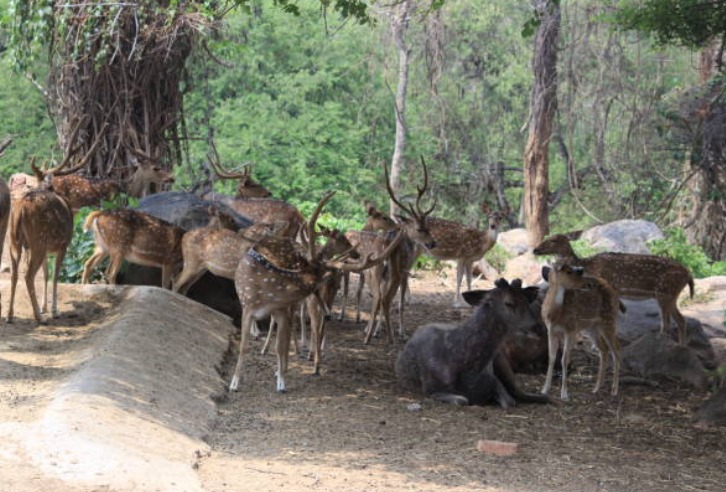
Kachida Valley is known for leopard sightings and is also home to sloth bears, hyenas, chinkara, and wild boars.

Explore Ranthambore Fort, visit Trinetra Ganesh Temple, enjoy the Chambal Boat Safari, birdwatch at Surwal Lake, shop at Dastkar, and visit the Natural History Museum.

Popular options include Jaipur, Agra, Bharatpur, Chittorgarh, Kota, and Tonk.

Rameshwar Ghat is a sacred meeting point of the Chambal, Banas, and Seep rivers, known for its religious significance and birdlife.

The Chambal, Banas, and Mej rivers support gharials, crocodiles, dolphins, birds, and wildlife including tigers and leopards.

Yes. Kailadevi Wildlife Sanctuary is part of the greater Ranthambore landscape and is known for tigers, leopards, sloth bears, and the famous Kailadevi Temple.
Start Your Ranthambore Journey

Plan Your Jim Ranthambore Safari & Attractions Tour

Let us craft the perfect itinerary — combining wildlife safaris with the best temples, waterfalls, hill stations, and river experiences around Ranthambore National Park.
Tiger